
GAMING
Grasshopper Manufacture Leaves NetEase After Two Buyouts
Suda’s studio is independent again as of October 1, after two parent companies in 13 years and one self-published game under NetEase.

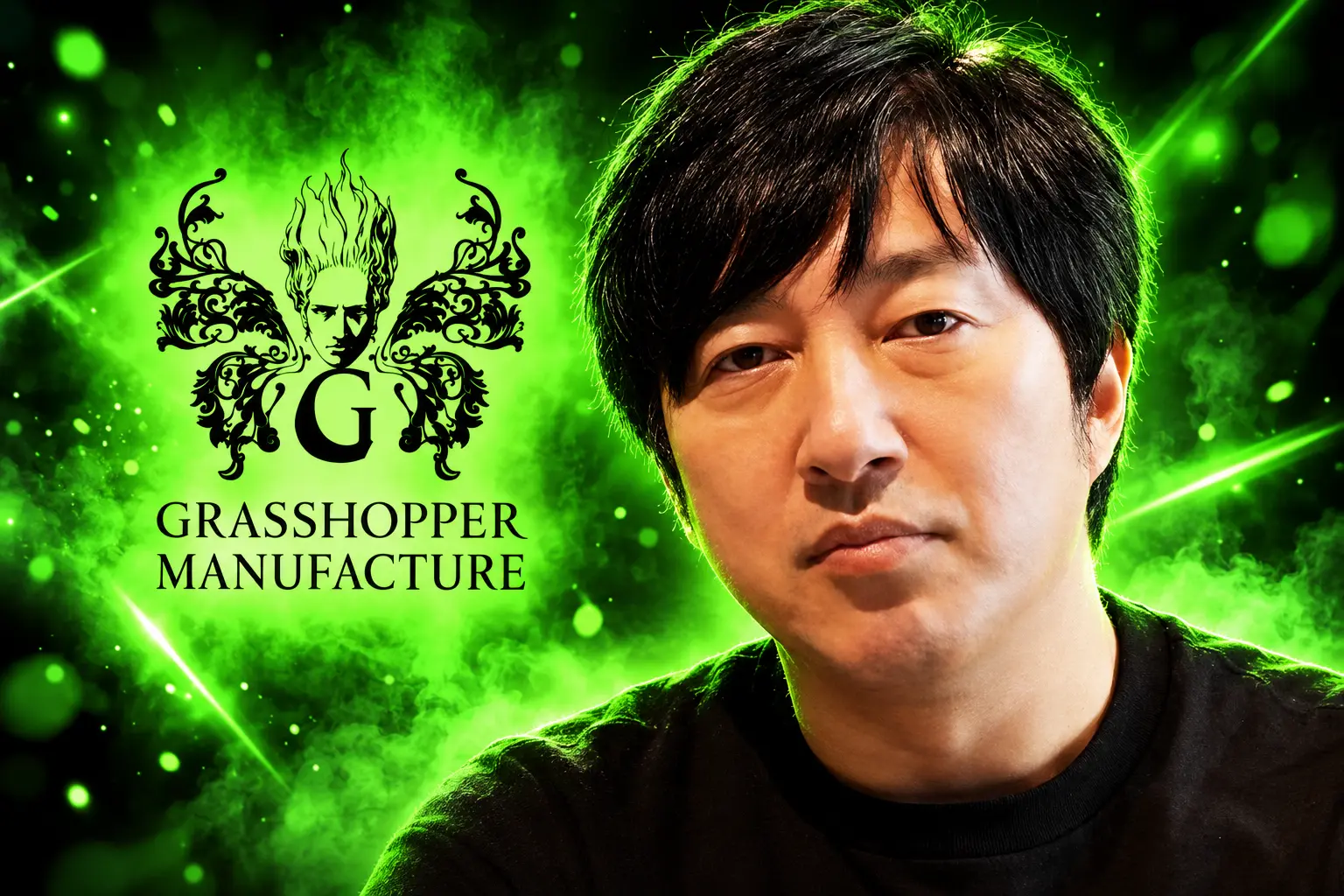
Grasshopper Manufacture is an independent studio again as of October 1, 2026, after CEO Goichi Suda confirmed a split from NetEase Games. Suda, the designer known as Suda51, said the Tokyo team wanted a wider range of games once it had finished Romeo Is a Dead Man.
The studio announced the move on September 30. It named no new publisher, no buyer, and no budget for what comes next.
Grasshopper Manufacture Is Independent as of October 1
The Japanese press notice is blunt about the calendar. Grasshopper Manufacture, based in Bunkyo-ku, Tokyo, said it left the NetEase Games group on October 1, 2026. Officer changes tied to the split were still being processed when that notice went out.
Suda’s English letter treats Romeo as the hinge. The game shipped in February. The studio marked its 28th anniversary in March. After that all-hands project, he wrote, the company found “a strong desire to deliver titles in an even wider variety of styles to video game lovers everywhere.”
Having finally completed this all-hands project, as we reflected on the next stage of Grasshopper Manufacture’s future, we found a strong desire to deliver titles in an even wider variety of styles to video game lovers everywhere. As such, Grasshopper Manufacture has chosen to move forward as an independent developer once again.
Goichi Suda, representative director and CEO, Grasshopper Manufacture statement, September 30, 2026
He thanked NetEase for “thorough discussions” and “generous cooperation,” and said both sides still want to work together if the chance comes up. He also said Grasshopper has improved its self-publishing know-how, so it now has “a broad range of options” for how games reach players. The house slogan stays “NO GAME NO LIFE.”
On X the same day, Suda put it in four words: “NEXT FUCKING ADVENTURE.” NetEase has not issued its own note on the split.
Two Parents in Thirteen Years
Suda founded Grasshopper on March 30, 1998. For the next decade and a half the company stayed independent and built the reputation that still sells the name: Killer7, No More Heroes, Lollipop Chainsaw.
GungHo Online Entertainment brought Grasshopper into the GungHo group in a deal announced on January 30, 2013. GungHo later said it took all of the shares in February 2013. Kazuki Morishita, then GungHo’s president, called Suda’s team part of a family of independently operated studios. Suda said GungHo would help the company make games for players around the world.
Eight years later the studio asked to leave. In a notice dated October 22, 2021, GungHo said Grasshopper had proposed becoming a NetEase subsidiary, that the two sides agreed, and that GungHo transferred all of the studio’s shares on May 31, 2021, to NetEase Interactive Entertainment Pte. Ltd. The price was not disclosed. GungHo held the news until October because of partners. Supertrick Games, spun out of Grasshopper in June 2018 to handle GungHo’s own IP, including work on Let It Die, stayed with GungHo.
Suda’s 2021 letter sounded like a long marriage. NetEase would advise on business planning and put up development money. Grasshopper would keep creative control. Thousands of NetEase artists and technical staff would help with art and quality checks. In return, Suda said the studio would strive to offer three even higher-quality games in ten years.
THE OWNERSHIP CYCLE
| Years | Parent | What shipped in that stretch |
|---|---|---|
| 1998 to 2013 | Independent | Killer7, No More Heroes, Lollipop Chainsaw |
| 2013 to 2021 | GungHo Online Entertainment | Killer Is Dead, Let It Die with GungHo, No More Heroes 3 through Marvelous |
| May 31, 2021 to October 1, 2026 | NetEase Games | Shadows of the Damned: Hella Remastered; Romeo Is a Dead Man, self-published |
| October 1, 2026 | Independent again | No new game named in the split notice |
From May 31, 2021, to October 1, 2026, is five years and 123 days. The studio and the September 30 letter treat that span as the NetEase chapter. Counted from the GungHo closing, Grasshopper had a parent for 13 years.
NetEase Got One New Game and a Remaster
The ten-year pledge ran to 2031. Under NetEase the company shipped two products, and only one of them was a new Grasshopper game.
Shadows of the Damned: Hella Remastered arrived on October 31, 2024, for PlayStation, Xbox, Switch, and Steam. Grasshopper’s own company page still lists NetEase Entertainment Interactive Pte. Ltd. as that release’s publisher. It is a 2011 action game brought forward, not one of the three new titles Suda described in 2021.
Romeo Is a Dead Man is the original. It launched on February 11, 2026, for PlayStation 5, Xbox Series, and PC, with Grasshopper listed as both developer and publisher. Suda produced it and wrote the scenario with director Ren Yamazaki. The hero, Romeo Stargazer, is an FBI space-time agent who fights with swords and guns. Grasshopper called it ultra-violent science fiction and priced it at $49.99.
Suda’s independence letter says Romeo “received high acclaim and great reviews.” The studio has not published unit sales. That silence is the whole commercial record of the NetEase years: one remaster with NetEase’s name on the box, one new game the subsidiary put out itself, and no figure attached to either.
No More Heroes 3, published by Marvelous on August 27, 2021, still belongs to the GungHo chapter. It shipped after the May 31 share transfer and before GungHo and NetEase told the public in October.
Nagoshi Studio Did Not Get the Same Exit
The September 30 letter reads like a handshake. The rest of NetEase’s Japan and overseas slate from the same buying wave did not get one.
NetEase confirmed it would stop funding Nagoshi Studio from May 2026. That company, founded by Yakuza creator Toshihiro Nagoshi, had shown Gang of Dragon at The Game Awards in December 2025. People close to the talks said NetEase pulled the plug after learning the debut still needed at least ¥7 billion ($44.4 million) to finish. Nagoshi was told the studio could continue on its own if it paid for the assets and the brand. A new backer did not appear.
STUDIOS NETEASE LEFT BEHIND
- Nagoshi Studio: Funding stop from May 2026 after a ¥7 billion gap on Gang of Dragon.
- Ouka Studio: The Tokyo team behind Visions of Mana was closed in 2024.
- Worlds Untold: The Vancouver studio NetEase started with Mass Effect writer Mac Walters was split off.
- Jar of Sparks: The Seattle studio founded in 2022 by Xbox veteran Jerry Hook was also separated.
- Earlier closures: T-Minus, FPC, and Bad Brain were among the first international teams wound down.
Grasshopper is the studio that already had a finished, self-published game on shelves when that retrenchment reached Japan. Resident Evil producer Hiroyuki Kobayashi’s GPTRACK50 has also kept going without NetEase’s continued support. The pattern around Suda is not mystery. A 40-person Tokyo company that can ship and sell its own title can walk. A studio whose first game still needed ¥7 billion cannot.
Romeo buyers are left with a narrower question the split notice does not answer: whether money from leftover sales still moves through the old parent. The Steam and console pages list Grasshopper as publisher. They do not spell out how older NetEase-era receipts are settled.
The Self-Publish Dress Rehearsal for Romeo
The capital break on October 1 was the second step. The first came in December 2025, while NetEase still owned the company.
Suda said then that Grasshopper would self-publish Romeo, after talks with several publishers, and that NetEase was still the parent. “They’re still around, but we will be self-publishing it, with some assistance, mainly up until recently, from them,” he said. He also said the studio planned to continue as a NetEase first-party team. Ten months later that plan is dead.
He was careful to say self-publishing was a choice, not a last resort after everyone passed. The publishing and QA talks, including with NetEase’s own teams, ended with Grasshopper taking the game out under its own name. Travis Strikes Again: No More Heroes had already put the studio’s name on a Switch release in 2019. Romeo was the first time that name sat on a new IP across PlayStation 5, Xbox, and PC at once.
That run is the practical reason the October 1 letter can talk about “self-publishing know-how” without sounding like a wish. The company already priced a $49.99 game, ran the store pages, and collected the reviews. Leaving NetEase does not require inventing a publishing desk from zero. It requires paying the next payroll without the parent that, in 2021, promised “sufficient funding for game development.”
No Publisher Lined Up for the Next Game
On Romeo’s launch day, February 11, 2026, Suda recorded a Grasshopper Direct and almost promised a second release. “It’s almost 100% certain that we’ll be releasing one more game during 2026,” he said. He did not name the genre, the platform, or the date, only that an announcement would come if people kept watching events and videos.
The September 30 independence letter does not mention that game. It also does not mention the physical edition or the Switch 2 port of Romeo, both of which Suda said in February were in talks with several companies and still needed time.
WHAT WE KNOW
- The date: Grasshopper left NetEase on October 1, 2026, after a September 30 notice signed by Suda.
- The last product: Romeo Is a Dead Man, self-published on February 11, 2026, is the studio’s current original release.
- The door: Suda says the two companies may collaborate again, and that Grasshopper can self-publish or use another partner.
WHAT IS UNCONFIRMED
- The next title: The “almost 100 percent certain” 2026 game from the February Direct still has no name, platform, or publisher.
- The money: No sale price, earn-out, or working-capital figure was disclosed for the split.
- The ports: Physical Romeo and a Switch 2 version were in talks in February and were not updated in the independence notice.
Suda closed the September 30 letter by asking players to watch the studio through its coming 30th anniversary and beyond. That anniversary falls on March 30, 2028. Until a publisher, a budget, or that second 2026 game is named, independence is a legal fact and a blank shipping calendar.
Frequently Asked Questions
When Did Grasshopper Manufacture Leave NetEase Games?
The studio’s notice says it left the NetEase Games group on October 1, 2026, after announcing the decision on September 30. The same Japanese release said paperwork for officer changes was still under way at the time of the announcement, so the share break and the board paperwork did not finish on the same afternoon.
What Is Supertrick Games?
Supertrick Games is the company GungHo split out of Grasshopper in June 2018. Grasshopper kept original games; Supertrick stayed inside GungHo to build out the publisher’s own IP, including the jointly developed Let It Die. Supertrick did not move to NetEase in 2021 and is not part of the 2026 split.
How Large Is Grasshopper Manufacture Now?
The studio’s company page lists 40 employees, paid-in capital of 10 million yen, and an office at 1-4-14 Koraku, Bunkyo-ku, Tokyo. In 2021 Suda said NetEase would add thousands of artists and technical staff for art and QA. That extra bench is what the October 1 split removes.
How Much Does Romeo Is a Dead Man Cost in Japan?
Grasshopper lists the Japanese suggested price at 5,500 yen excluding tax, rated CERO Z, for PlayStation 5, Xbox Series X/S, and Steam. The worldwide list price at launch was $49.99. As of the independence notice, the studio had not announced a packaged version or a Switch 2 SKU, both of which Suda said in February were still being worked out with other companies.

Edinburgh Opens a 2027 Tour Built for Time Trials

Korda Maps Auður From Meðalland to Irvine Bay

Apple Music Films Its New Logo in Mineral Oil

Oppo Prices the Pad Mini Above India’s iPad Mini

Austen Soaks Scotland Before Boelo Brings Weekend Gales

Volkswagen Sells the Osnabruck Plant to Clear a Board Fight

Apple’s Foldable iPhone Hinges on Samsung Display Supply

Tata Motors’ Iveco Tender Opens as Holders Still Decide

Saksham Gaur Finds He Is His Own Company’s Client

Onimusha Way of the Sword Preload Hits a Windows 11 Wall
-
 AUTO2 months ago
Volkswagen Sells the Osnabruck Plant to Clear a Board Fight
-
 NEWS2 months ago
Apple’s Foldable iPhone Hinges on Samsung Display Supply
-
 AUTO2 months ago
Tata Motors’ Iveco Tender Opens as Holders Still Decide
-
 BUSINESS2 months ago
Saksham Gaur Finds He Is His Own Company’s Client
-
 GAMING2 months ago
Onimusha Way of the Sword Preload Hits a Windows 11 Wall
-

 ENTERTAINMENT3 years ago
What is SD on Amazon Prime? – All You Need to Know
-

 BUSINESS2 months ago
Hyderabad 22-Carat Gold Jumps After a False Bargain
-

 NEWS2 months ago
The Frame Pro’s $1,200 Labor Day Cut Needs a Soundbar