
NEWS
Samsung Splits Galaxy S27 Cameras to Push Premium Mix
A November leak parks 200MP cameras on the Galaxy S27 Pro and Ultra while the volume models keep S22-era zoom.

A leaked sensor list dated November 9 puts 200MP cameras on the Galaxy S27 Pro and Ultra only, leaving the Galaxy S27 and S27+ on 50MP hardware. Samsung has not confirmed the parts, and the phones are still aimed at an early 2027 Unpacked.
The same week, industry sources described a factory plan that already sends more than 70% of Galaxy S27 output to those two premium phones. The old glass on the volume models is how that mix gets built.
Samsung Parks 200MP Behind the New Pro
The list, obtained for all four rumored models, splits the series in two. The new Galaxy S27 Pro shares its main, ultrawide, and front cameras with the Ultra. The Galaxy S27 and S27+ share a cheaper set with each other, and almost none of it is new.
Tipster Ice Universe had already pointed to an updated HP6 architecture on the 200MP main. The leaked Pro and Ultra sensor, tagged Samsung S5KHP6, is listed at 16,320 by 12,240 pixels. The volume phones test a 50MP Sony IMX955 or the Samsung S5KGNG used on the Galaxy S26 and S26+.
GSMA records logged four names months earlier: SM-S952, SM-S956, SM-S957, and SM-S958. That Pro slot is the compact one, about 6.47 inches in leaked cases, with no S Pen. The camera list now says what that slot is for. It is the 200MP phone that is not the Ultra.
Four Phones, Two Camera Classes
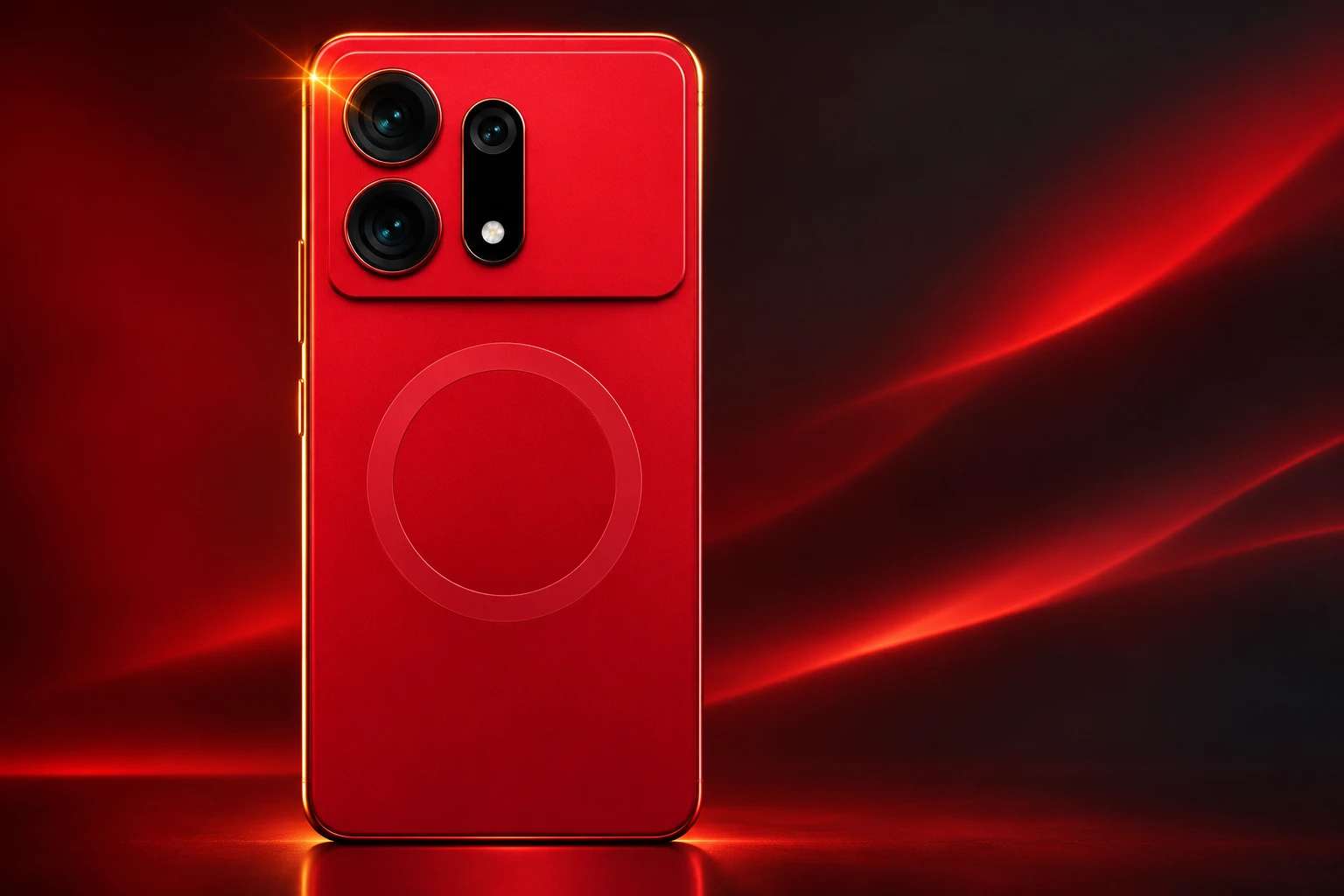
Every model in the leak has three rear cameras. The Ultra, which has carried a 3x and a 5x for several generations, drops the dedicated 3x. Mid-range zoom on that phone becomes a crop from the 200MP main, plus a 50MP 5x periscope.
LEAKED GALAXY S27 CAMERA SENSORS
| Model | Main | Ultrawide | Telephoto | Front |
|---|---|---|---|---|
| Galaxy S27 | 50MP IMX955 or S5KGNG | 12MP IMX564 | 10MP 3x S5K3K1 | 12MP S5K3LU or IMX874 |
| Galaxy S27+ | 50MP IMX955 or S5KGNG | 12MP IMX564 | 10MP 3x S5K3K1 | 12MP S5K3LU or IMX874 |
| Galaxy S27 Pro | 200MP S5KHP6 | 50MP S5KJN3 or IMX855 | 10MP 3x S5K3LD | 16MP S5K2P5 |
| Galaxy S27 Ultra | 200MP S5KHP6 | 50MP S5KJN3 or IMX855 | 50MP 5x IMX855 or S5KJN3 | 16MP S5K2P5 |
Sensor names in a test list can still change before retail. The pattern is already stable: one hardware class for the base and Plus, another for the Pro and Ultra, with zoom as the only split at the top.
Galaxy S22’s Zoom Still Ships on the Base
The 10MP 3x on the Galaxy S27 and S27+ is the Samsung S5K3K1, the unit that arrived with the Galaxy S22 in February 2022. By an early 2027 launch that module will be five years old. The 12MP Sony IMX564 ultrawide has been in the regular S phones since the Galaxy S23, so it will be on its fifth generation if the leak holds.
HOW THE VOLUME CAMERAS STOPPED MOVING
- February 2022: Galaxy S22 and S22+ ship a 10MP S5K3K1 3x telephoto.
- February 2023: Galaxy S23 adds the 12MP IMX564 ultrawide that later lists still show on the S27.
- January 2024: Galaxy S24 and S24+ reuse the S23 sensor set in full.
- January 2025: Galaxy S25 and S25+ keep the same 50MP main, 12MP ultrawide, and 10MP 3x.
- 2026: Galaxy S26 and S26+ again carry that 50MP class; a planned sensor step was dropped to hold an $799 starting price after Apple raised the base iPhone 17’s screen and storage without lifting that price.
- November 9, 2026: The S27 list keeps the IMX955 or S5KGNG main, the IMX564 ultrawide, and the S5K3K1 3x on the two volume phones.
That is not a one-year hold. It is a run of flagship cameras that stopped getting new glass while the badge stayed “S.” Software and processing had to do the year-over-year work on the phones most people actually buy.
What the Galaxy S27 Pro Camera Adds
The Pro gets the Ultra’s 200MP main, a 50MP ultrawide with autofocus, and a 16MP front camera. It does not get the Ultra’s 5x. Its 3x is the 10MP S5K3LD from the Galaxy S26 Ultra, a different chip from the base model’s S5K3K1, still a 10MP 3x class. For a phone that will sit near Ultra money, that zoom is the shortfall.
Samsung’s public 200MP part is the ISOCELL HPC, already in mass production. The company says DeepPix, a new pixel structure, gives 60 percent more charge per pixel than the previous generation, plus single-frame 16-bit HDR and HDR in-sensor zoom at 1x, 1.5x, 2x, 3x, and 4x. That zoom range is the obvious patch for an Ultra that no longer has a 3x lens. Leaks still name HP6, not HPC, for the Galaxy phones, so the DeepPix feature set is a fit, not a confirmed part number.
DeepPix expands both the photodiode capacity and shared floating diffusion, increasing single-pixel FWC by 60% over the previous generation.
Samsung Semiconductor, ISOCELL HPC product page
Samsung’s own write-up of how DeepPix rebuilds the pixel on FDTI is about storing more light in the same 0.6-micron, 1/1.3-inch footprint as the older HP2. The HPC also lists 4K video at up to 180 fps and 16-bit RAW. Chinese flagships are the rumored first home for HPC. Galaxy, in this leak, gets the sibling HP6.
WHAT THE PREMIUM PAIR ADDS, AND WHAT IT DROPS
- Shared main: Both Pro and Ultra move to the 200MP S5KHP6, four times the pixel count of the volume 50MP module.
- Shared ultrawide: 50MP with autofocus, either S5KJN3 or Sony IMX855, against a 12MP IMX564 with no autofocus on the base phones.
- Pro zoom: A single 10MP 3x, the S26 Ultra’s S5K3LD, not a new long lens.
- Ultra zoom: A single 50MP 5x, and no dedicated 3x, so 2x to 4x is a main-sensor crop.
- Front cameras: 16MP S5K2P5 on Pro and Ultra; 12MP on S27 and S27+.
The argument in enthusiast threads is blunt, and it is right on the hardware: the Pro is a 200MP compact with last year’s 3x. People who want a smaller Ultra still do not get Ultra zoom. People who want a true 3x and 5x pair are told to crop.
More Than 70% of S27 Output Goes Premium
Industry sources said Samsung wants more than 70% of Galaxy S27 production in 2027 on the Pro and Ultra. The company typically builds around 35 million Galaxy S phones a year. The Ultra is described as about half of that, or around 18 million units, with another 7 million to 8 million for the Pro, about 20% of the run. The S27 and S27+ take the rest.
THE PLANNED S27 MIX
- Series volume: About 35 million phones, in line with recent S-series years.
- Ultra: Around 18 million units, still the largest single model.
- Pro: 7 million to 8 million units, a second premium SKU instead of one.
- Base and Plus: The remaining share, with older cameras and the lower prices.
Counterpoint’s global tally for the Galaxy S25 family, February through December 2025, already showed the Ultra at 46% of series sales, the base S25 at 35%, and the S25+ at 19%. The two cheaper phones together were still 54%. The S27 plan tries to flip that. A new Pro with the Ultra’s main camera is the product that makes the flip possible, because the old reason to stay on Plus was “good enough flagship camera.” That reason is being removed.
The S25 family still sold 5% more than the S24 family in that window, and the S25 Ultra sold 7% more than the S24 Ultra. Demand at the top was not the problem. The problem, in this plan, is how much of each phone Samsung wants to build when memory is scarce.
A 211% Rise in Mobile Memory Costs
Samsung’s Mobile eXperience unit posted an operating loss of about 600 billion won in the third quarter of 2026, narrower than about 700 billion won the quarter before. Foldables were not enough to cover the bill. The 2026 half-year business report put procurement prices for mobile memory about 211% above the 2025 annual average, while mobile application processor prices were up about 6%.
That is why a 50MP camera on an $800-class flagship is no longer a generous hold. Memory is the part that blew up. Cameras, screens, and radios all sit on top of DRAM and NAND that now cost more than the rest of the board. Samsung is also cutting Galaxy A-series shipments by 20% in the fourth quarter of 2026, shrinking the low-margin end of the phone business at the same time.
Counterpoint’s third-quarter 2026 tracker had global smartphone shipments down 19% year on year and revenue still up 3%, to $114 billion, because average selling prices jumped 27% to $442. Samsung’s own ASP in that quarter rose 21% to $367. The industry is selling fewer phones for more money. A four-phone S series that puts new camera silicon in the two expensive ones is that chart in hardware form, while mobile DRAM supply still tight keeps the squeeze on.
Software Has to Carry the Volume Models
If the list is right, the Galaxy S27 and S27+ will be sold as new flagships with last year’s, and in the zoom’s case 2022’s, camera sensors. Samsung’s likely answer is the one it has used since the S24: processing, scene models, and computational zoom. That can still produce a fine daylight photo. It cannot add a 50MP ultrawide with autofocus, or a 200MP crop that holds HDR at 3x, because those photons never hit the cheaper chips.
WHAT WE KNOW
- The list: Four models, two camera classes, 200MP only on Pro and Ultra, three rear cameras on every phone.
- The mix: Industry sources put more than 70% of 2027 S27 output on Pro and Ultra.
- The cost: Mobile memory procurement up about 211% in Samsung’s half-year report, with MX still in the red in the third quarter.
WHAT IS UNCONFIRMED
- Final sensors: Test lists mix Sony and Samsung parts; retail SKUs can still swap.
- HP6 versus HPC: Galaxy leaks say HP6; DeepPix is documented on the HPC Samsung is already making.
- Launch date: January or February 2027 is the working window. Samsung has not set Unpacked.
Buyers who want the new main camera are being pointed at the Pro and the Ultra before a single official slide exists. The volume phones will have to win on price, size, and software, with a 3x lens that first shipped on the Galaxy S22. That is the bet the camera list and the factory plan already agree on.

Gold Prices Fall to a 14-Month Low Despite Strikes

SpiceJet Clears a Rs 5,500 Crore Raise After Mumbai Stalled

Honda Activa’s Record Month Came With a Share Loss

Sony Turns the GTA 6 Launch Into a Firmware Gate

Xiaomi 18 Leak Skips the Rear Screen for Battery

Volkswagen Sells the Osnabruck Plant to Clear a Board Fight

Apple’s Foldable iPhone Hinges on Samsung Display Supply

Saksham Gaur Finds He Is His Own Company’s Client

Tata Motors’ Iveco Tender Opens as Holders Still Decide

What Is SD on Amazon Prime?
-
 AUTO2 months ago
Volkswagen Sells the Osnabruck Plant to Clear a Board Fight
-
 NEWS3 months ago
Apple’s Foldable iPhone Hinges on Samsung Display Supply
-
 BUSINESS3 months ago
Saksham Gaur Finds He Is His Own Company’s Client
-
 AUTO3 months ago
Tata Motors’ Iveco Tender Opens as Holders Still Decide
-
 TECHNOLOGY3 years ago
What Is SD on Amazon Prime?
-

 BUSINESS3 months ago
Hyderabad 22-Carat Gold Jumps After a False Bargain
-

 GAMING3 months ago
Onimusha Way of the Sword Preload Hits a Windows 11 Wall
-
 BUSINESS3 months ago
UltraTech Ultravolt Launch Splits Friday Stocks to Watch