
NEWS
Apple Hires for a Mac Agent as Access Rules Tighten
A Cupertino job listing sketches a computer-use Apple AI agent just as macOS 27.3 beta 2 warns users before rival agents get disk and app control.

Apple posted a Cupertino job on November 17, 2026, for a manager to build an AI agent that can run a Mac the way a person does. The listing, for a senior engineering manager on the Agentic AI Proactive team, describes an assistant that browses the web, works across apps, runs commands, writes and debugs code, and calls services.
A day earlier, Apple had put macOS 27.3 beta 2 in developers’ hands with new warnings for apps that want that same kind of control. Two days later, Google began letting Gemini click through Mac apps in a background window.
Apple Is Hiring to Build a Computer-Use Agent
Most Apple engineering ads stop at tools and teams. This one opens with the product. The posting tells candidates to imagine an agent that chooses the right tool for each step, then does the work privately, with the polish people expect from Apple.
Imagine an AI agent that can use a computer the way a capable person does. It browses the web, works across apps, runs commands, writes and debugs code, and calls services, and it chooses the right tool for each step. It does all this privately and with the polish people expect from Apple. Our team is building the foundation for that future, and we’re looking for a senior engineering leader to make it real.
Apple, Senior Engineering Manager listing, Agentic AI Proactive, Cupertino
The same listing says the group is engineers, applied researchers and systems specialists building general-purpose computer-use agents. Those agents plan multi-step work across apps, browsers, command lines, code and APIs, and they can coordinate specialized sub-agents along the way. The senior leader would set the technical vision, roadmap and quality bar for that platform, and work with partner teams across Siri, UI frameworks and Apple Foundation Models.
Mark Gurman wrote that Apple is developing an autonomous AI agent with computer-use capabilities, including device control, app interactions, web browsing and coding. He said the effort goes well beyond Siri and aims to compete with Meta’s Muse, ChatGPT’s Dots and Claude Code. The listing itself carries no public launch date.
That silence is the tell. You hire a manager to own a roadmap when the thing is still a foundation, not a keynote demo. The copy reads like a spec because Apple needed the hire to understand the end state, even if customers will not see it for a long time.
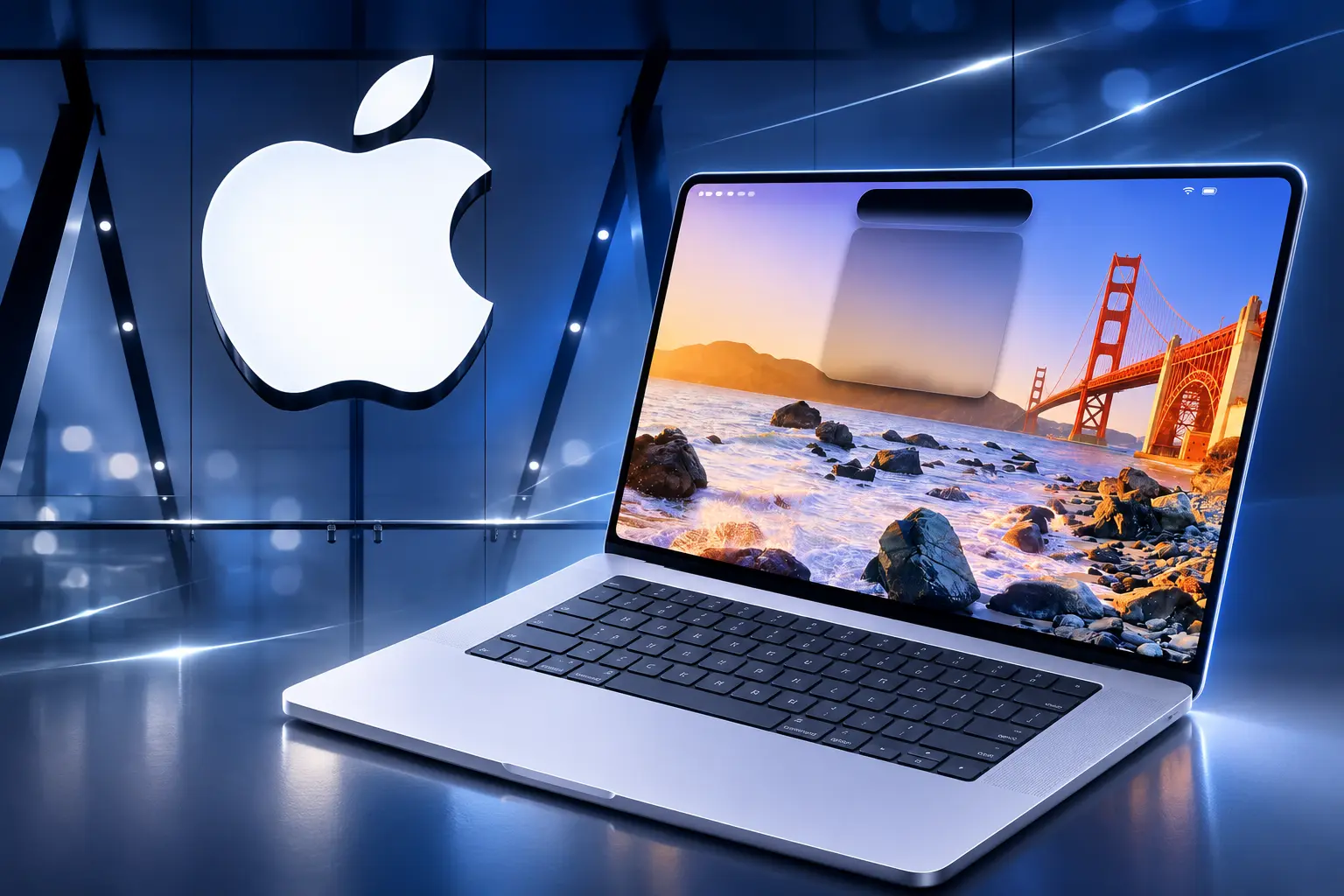
October’s Warning Put AI Agents on Notice
The job did not arrive in a vacuum. On October 2, 2026, Apple told developers it would add additional controls for Full Disk Access, a Mac permission that largely sidesteps the usual privacy gates so backup apps can copy a whole disk.
Some developers, Apple said, were using that permission in ways that could put users at risk, exposing files, mail, messages and browsing history without a full understanding of what they had granted. For communication apps, the company added, that can also compromise the privacy of the people a user is talking to. It promised that anyone who still wanted to grant that level of access would have to take a very explicit action, and it named the reason in plain language: as AI agents become more capable and autonomous, the risks grow.
That note did not ship a product. It named a class of software, then told the people who build Mac apps that the permission path was about to get harder. The computer-use listing six weeks later asks Apple’s own staff to build exactly that class of software, inside Siri and Foundation Models, with privacy listed as a design goal rather than a warning screen.
THE DATES BEHIND THE MAC AGENT PUSH
- October 2, 2026: Apple warns that Full Disk Access can expose files, mail, messages and browsing history, and says AI agent risk will grow.
- November 16, 2026: macOS 27.3 beta 2 arrives with split permission settings, folder-level guidance, an ask-every-time option and a menu-bar indicator.
- November 17, 2026: Apple posts the Senior Engineering Manager role on the Agentic AI Proactive team in Cupertino.
- November 18, 2026: A Senior Applied AI Engineer Proactive listing goes up, and a Foundation Models post-training job names device use and UI navigation as agentic goals.
- November 19, 2026: Google starts rolling out Gemini computer use on Mac, the same day Gurman describes Apple’s own agent in public.
Read as a sequence, the operating-system work landed first. The hiring copy landed next. The rival that can already click a Mac shipped in the gap between those two Apple moves.
What Gemini Started Doing on Macs in November
On November 19, 2026, Michael Friedman, group product manager for the Gemini app, said computer use in the Gemini app for Mac helps finish multi-step tasks across local files, desktop apps and the web. Describe the job, he wrote, and Gemini handles the clicking, typing, menus and forms.
The agent runs in an isolated background window with a live preview in the chat, so the user’s main screen and cursor stay free. Friedman said the person chooses which apps Gemini can touch, can watch every step, can pause at any time, and must approve key actions before they happen. Google’s own examples include batch color-grading in a design app, pulling weights and addresses from local PDFs into shipping forms, building Slides decks from live dashboards, and staging resale listings from a folder of clothing photos.
The rollout is English in the United States for personal Google accounts held by people 18 or older on Google AI Plus, Pro or Ultra. It needs an Apple silicon Mac running macOS Sequoia 15.0 or later. Google did not say when the feature would leave that slice of users.
With computer use in the Gemini app for Mac, you can now hand off tasks across your folders, apps, and the web, while your screen and cursor stay yours.
Watch Gemini click, scroll, and type in a live background window, turning a quick sketch into a rigged 3D model in Blender.
— Google Gemini (@GeminiApp) November 19, 2026
The lag objection writes itself. Apple is interviewing a manager to make an agent real, and Google is already putting a live preview of Blender clicks inside a chat pane. Anyone who has waited through years of Siri delays will assume Cupertino shows up late with fewer tricks. That is a fair reading of a listing that still calls the work a foundation.
The less obvious move is the one Apple already shipped to developers. If rival agents have to narrate every extra permission as a threat to the whole disk, Apple’s future in-house agent does not have to win a feature bake-off on day one. It has to be the one that does not trip the new alarm.
Six New Toggles Sit Between Rivals and the Disk
Apple’s November 16 developer note said that before anyone grants an app such extraordinary access, they should understand that it puts all of the data on their Mac at risk. In macOS 27.3 beta 2 the company added more granular options for two APIs: Device Control and Data Access, and Full Disk Access. Users see the new screens when they approve a fresh request. Permissions they already granted stay in effect.
THE SIX CHANGES IN MACOS 27.3 BETA 2
| Change | What the user is asked to do |
|---|---|
| Split setting | Device Control and Data Access becomes System and App Protection Override, plus Accessibility |
| App picker | Grant permission by selecting the requesting app from a list |
| Narrow guidance | Allow only the specific apps, or folders, a workflow needs |
| Data visibility | See a wider picture of what full permission would expose or control |
| Ask every time | Configure an app to prompt on each new bid for access |
| Live indicator | A transparency mark appears when one app is controlling another through System and App Protection Override |
None of those items bans a third-party agent. Backup tools and assistive apps can request entitlements so new installs keep the experience they had before 27.3, and Apple said known apps are not affected yet. The change is the copy and the extra taps. A computer-use app that needs to drive Mail, Messages and a browser now has to survive a screen that says the Mac’s data is at risk, then live under a menu-bar light while it works.
That is a reasonable privacy design. It is also a distribution design. The first-party agent described in the Cupertino listing would sit with Siri, UI frameworks and Foundation Models, which is a different door from the one ChatGPT, Claude and Gemini have to knock on.
Claude, Muse and ChatGPT Already Have a Foot in the Door
Apple is not entering an empty category. Desktop agents have been clicking through Macs for months, with different sandboxes and different asks before they touch a file.
WHO ALREADY RUNS TASKS ON A MAC
- Gemini computer use: From November 19, 2026, it drives local files, desktop apps and the web in a background window for paying US users on Apple silicon.
- Claude Cowork: Anthropic’s Mac research preview, later folded toward the main Claude app, works through folders a user grants and asks before sensitive steps.
- Meta Muse: Muse has a Mac app in a short list of countries, with access to files, calendar, notes and mail that the user allows, plus a separate cloud computer.
- ChatGPT computer use: OpenAI’s desktop path, including Codex computer use, already asks Mac users for the broad control that 27.3 now splits and labels as an override.
Those products do the job the Cupertino listing still treats as a future. They also inherit every new adjective Apple just attached to Full Disk Access and to System and App Protection Override. Existing grants survive, so people who already flipped the old switches keep working. New installs, new Macs and anyone who hits Ask Every Time will feel the extra friction first.
The privacy case is not fake. An agent that can read mail and browsing history is a different animal from a backup disk. Apple said so in October, and the November screens make that sentence visible at the moment of the click. The competitive case sits in the same sentence. The companies shipping agents now have to clear a warning written by the company that wants to ship one later.
The Listing Still Has No Launch Date
The Proactive team is not a single job. On November 18, 2026, Apple posted a Senior Applied AI Engineer Proactive role in the same cluster, with a listed base pay range of $184,700 to $324,800 plus equity, and asked for daily use of agentic coding tools such as Claude Code and Codex. The same day’s Foundation Models post-training listing, aimed at Apple’s Europe applied ML group, named agentic work on coding, software engineering, device use, UI understanding and navigation, and agentic search.
RELATED APPLE AGENT ROLES ON THE BOARD
- June 19, 2026: iOS Software Engineer, Agentic systems, Special Projects, Cupertino.
- July 15, 2026: ML Agent Engineer, with seats in San Francisco, New York and other sites.
- July 28, 2026: Agent Sciences and Infrastructure Engineer, AIML, Cupertino.
- November 17, 2026: Senior Engineering Manager, Agentic AI Proactive, the listing that named the computer-use product.
- November 18, 2026: Senior Applied AI Engineer, Proactive, plus the Foundation Models post-training role that lists device use.
Hiring people who already live in Claude Code and Codex to build Apple’s answer is a practical staffing note, and a sharp one. The in-house agent is supposed to feel like Apple. The people who can ship it learned the category on someone else’s tools, on the same Macs that 27.3 now paints as a risk surface for outside agents.
Replies under Gurman’s post went straight at that gap. One said the agent would land in another two years with half the features of what labs ship now. Another asked how a company that still struggles with Siri plans to field something that drives a whole computer. Those are the obvious holes, and the listing does not close them. It asks a senior leader to turn Siri, UI frameworks and Foundation Models into agents that are capable, reliable and safe, which is a sentence you write when the work is ahead of you.
Until that hire ships something, the Mac’s new permission screens are the part of the plan customers can actually touch. Previously granted access still works. Backup apps can ask for a pass. A rival agent that wants Mail, disk and the browser gets a warning that the data on the machine is at risk, then a light in the menu bar while it types. The Cupertino listing is still asking someone to make Apple’s own version real.

New Audi Q3 Skips Cameras a Mahindra XUV 3XO Includes

Scotland’s £65m Universities Fund Bets on Later Rounds

Suzuki Access 125 Adds Paint as Jupiter Takes Share

Scotland Face Argentina at Twickenham With Rankings at Stake

Motorola’s Android 17 List Trails the Real Rollout

Volkswagen Sells the Osnabruck Plant to Clear a Board Fight

Apple’s Foldable iPhone Hinges on Samsung Display Supply

Saksham Gaur Finds He Is His Own Company’s Client

Tata Motors’ Iveco Tender Opens as Holders Still Decide

What Is SD on Amazon Prime?
-
 AUTO3 months ago
Volkswagen Sells the Osnabruck Plant to Clear a Board Fight
-
 NEWS3 months ago
Apple’s Foldable iPhone Hinges on Samsung Display Supply
-
 BUSINESS3 months ago
Saksham Gaur Finds He Is His Own Company’s Client
-
 AUTO3 months ago
Tata Motors’ Iveco Tender Opens as Holders Still Decide
-
 TECHNOLOGY3 years ago
What Is SD on Amazon Prime?
-

 BUSINESS3 months ago
Hyderabad 22-Carat Gold Jumps After a False Bargain
-

 GAMING3 months ago
Onimusha Way of the Sword Preload Hits a Windows 11 Wall
-

 ENTERTAINMENT2 years ago
Andy Scott’s Steel Loon Repeats the Kelpies Regeneration Bet