
 Ishan Crawford
 OnePlus confirmed Thursday that OxygenOS, the software that built its identity for eleven years, is being retired in favor of Oppo’s ColorOS, starting with the Android 17 update cycle. The announcement arrived bundled with confirmation that OnePlus is quitting the US and European smartphone markets outright, selling through existing inventory and then leaving for good.
OnePlus and Oppo merged the underlying code behind the two operating systems five years ago. Thursday’s news just makes the arrangement official, and it lands next to an India dispute the company calls unverified speculation and Bloomberg’s reporting frames as a 2027 timeline.
Existing Phones Keep Updates, Lose OxygenOS
OnePlus says nothing changes for warranty coverage or the update schedule already promised to buyers. What changes is the badge on the settings screen. In its own words, the company said eligible devices will get the option to move onto ColorOS once the newer software, which recently added AirDrop-style file sharing to the OnePlus 15, becomes available.
The company laid out four commitments for current owners.
- Scheduled software updates and security patches continue through each device’s original support window.
- Warranty coverage stays intact, handled by Oppo in Europe, though claims may move slower in the US now that OnePlus has no local presence there.
- A voluntary switch to ColorOS 17 for eligible phones once it ships, rather than a forced update.
- A rollback path back to OxygenOS for anyone who upgrades and changes their mind, though which specific versions will be offered has not been announced.
Older phones that fall outside the Android 17 update window do not get ColorOS at all. They stay on OxygenOS under what OnePlus calls maintenance support, meaning security patches without new features.
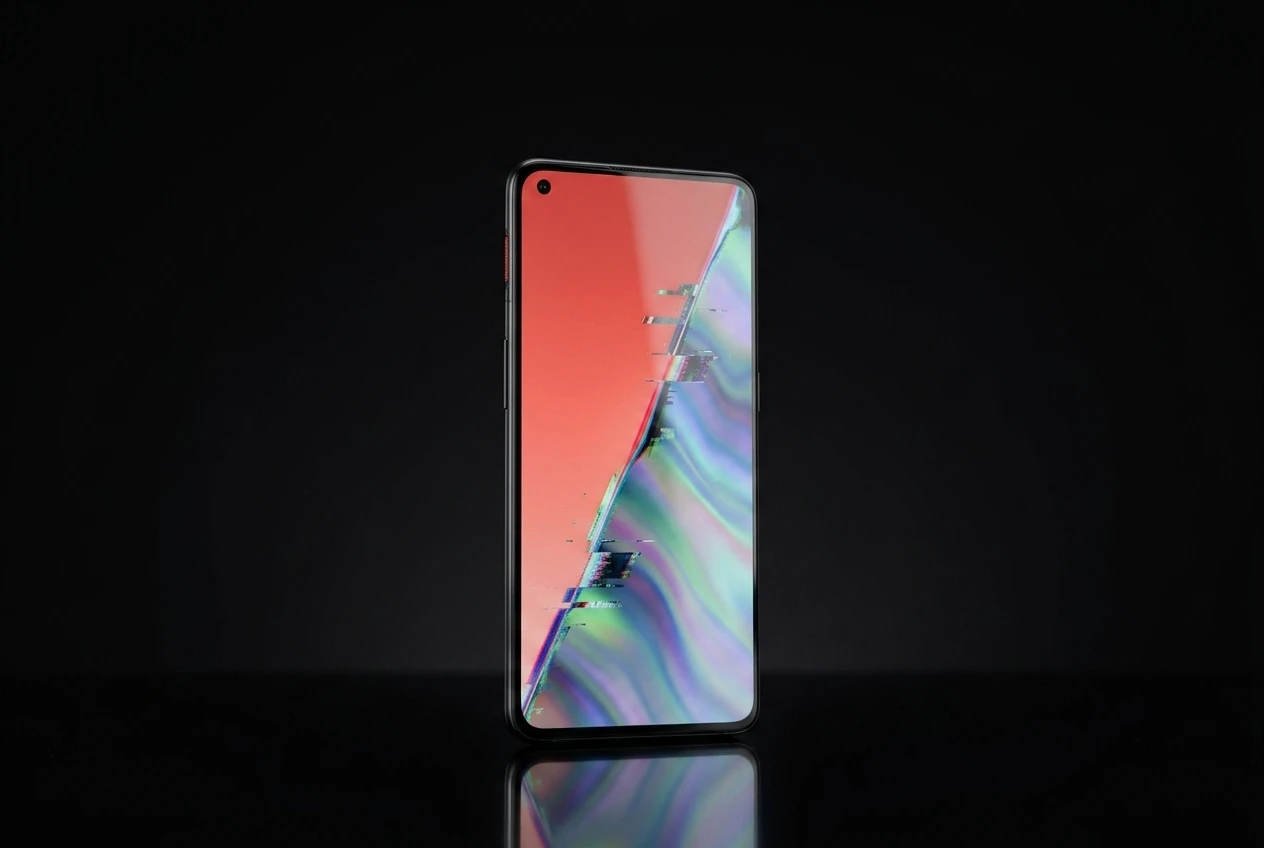
The Money Problem Driving Oppo’s Retreat
The software switch did not happen in isolation. It rode in on the back of a much bigger retreat by parent company Oppo, and the numbers explain why.
Oppo’s phone business has been losing ground for two straight years while component costs climb. A global memory chip squeeze, nicknamed RAMageddon, has made cheap phones harder to build at all.
| Metric | Figure | Source |
|---|---|---|
| OnePlus US shipment share, peak (2021) | 1.8% | IDC |
| OnePlus US shipment share (2025) | 0.1% | IDC |
| Oppo global shipment share (2026) | 10%, down 2 points year over year | Industry trackers cited by Neowin |
| China smartphone shipments, Q2 2026 | Down 4.3% year over year, about 66 million units | IDC |
| Global smartphone market, Q2 2026 | Samsung 22%, Apple 20% (record) | Omdia |
T-Mobile dropped OnePlus from its lineup in 2023, cutting off the carrier channel that briefly got OnePlus into Best Buy stores. Component costs have hit the budget Nord line hardest. In India, that pressure already pushed the Nord 6 to a second price hike this week, up to Rs 42,999.
Bloomberg first reported the broader restructuring, citing a person with knowledge of the matter, and its follow-on reporting says Oppo’s plan could push OnePlus out of India and every market outside China by 2027. Apple’s trade secrets lawsuit and geopolitical unease over Chinese phone brands in the US are also cited as factors behind the timing.
Is OnePlus Leaving India?
Not according to OnePlus. The company says its India business is running normally, pointing to four recent product launches and a service network that now covers more than 600 centers through Oppo. Bloomberg’s reporting says otherwise, putting a 2027 exit on the table as part of the same restructuring hitting the US and Europe.
Both things are currently true in the sense that neither has been resolved.
- What we know: OnePlus confirmed its US and Europe exit directly to outlets including Android Central and The Verge. OnePlus’s India unit says local operations are on track, citing four new launches and the N series’ Amazon Prime Day performance. Bloomberg reported that Oppo’s restructuring plan extends to winding down OnePlus in India and other global markets sometime in 2027.
- What’s unconfirmed: Neither Oppo nor OnePlus has confirmed any specific India shutdown date. Which OnePlus devices get ColorOS first, and on what schedule, has not been published. Whether China ends up the only market where OnePlus survives as an independent brand remains unclear.
Ford, OnePlus’s vice president of India business, addressed the speculation directly. “India continues to be one of OnePlus’ most important markets globally, and our commitment to our users, partners, and community remains unwavering,” he said, adding that the company’s actions speak louder than speculation.
The 2021 Merger That Made This Inevitable
OnePlus was founded in 2013 by Pete Lau and Carl Pei, selling the $299 OnePlus One as a flagship killer built for enthusiasts who wanted Samsung specs at half the price. Pei left in 2020 to start Nothing, which later took over OnePlus’s old shelf space at Best Buy.
The real turning point came a year later. In 2021, Lau formally announced that OxygenOS and ColorOS would share a single codebase, and OnePlus retired HydrogenOS, its China-only software, in favor of ColorOS that same year. OnePlus kept a separate interface layered on top for global markets, but each release drifted closer to Oppo’s design.
Users on OnePlus’s own forums noticed years before this week’s announcement made it official. In one long-running thread, users asking why OxygenOS still had a separate name pointed out that the two systems already behaved identically. Lau has since returned to Oppo directly, taking the role of chief product officer.
What Happens to the Phone You Own Today
Day to day, the switch should feel minor for anyone who bought a OnePlus phone in the last few years. Recent OxygenOS builds already share ColorOS’s animations, multitasking behavior, and most of its settings menus. The visible differences by OxygenOS 16 were mostly cosmetic.
The bigger change is what disappears from the ecosystem around it. Realme, Oppo’s other budget brand, is making the identical move, retiring Realme UI for ColorOS 17. Realme’s GT 8 Pro, which launched with Realme UI 7 and a promise of four Android OS upgrades, will pick up ColorOS 17 partway through that commitment. Days before this announcement, Realme also launched the Narzo 100x 5G in India on July 15, a reminder the budget lineup keeps moving even as the software underneath it changes hands.
Loyalists Aren’t Buying the Reassurances
Not everyone is shrugging this off. OxygenOS was the reason a lot of early adopters bought a OnePlus phone instead of an Oppo, and losing the name feels like losing the last piece of the pitch.
That growth era’s over. The company is now doubling down on China and retreating from the rest of the world.
Maurice Klaehne, a senior research analyst at Counterpoint Research, told TechCrunch that OnePlus built its name on high-end specs at mid-range prices paired with aggressive global expansion, a formula he says has run its course.
On OnePlus’s own community forums, the complaints run more specific. One user’s post pleads for the company to fix overheating, battery drain, and lock screen limits before whatever is left of the brand’s identity disappears entirely. Another commenter summed up years of frustration in five words: OnePlus is deaf to feedback.
For now, the phones already sitting on shelves in the US and Europe will keep selling until they run out. After that, there won’t be any more.
Frequently Asked Questions
What is ColorOS?
ColorOS is Oppo’s Android interface, already installed on OnePlus phones sold in China for years. Oppo executives say ColorOS now serves more than 740 million users worldwide, making it one of the most widely used Android skins on the planet even before this week’s announcement.
Will my OnePlus phone still get software updates?
Yes, if it already falls within a promised update window. OnePlus says customer service channels stay open and that it will honor security patches and OS upgrades already committed to specific models, regardless of the US and Europe exit.
Can I go back to OxygenOS if I don’t like ColorOS?
OnePlus says yes, a rollback option will exist for anyone who updates to ColorOS and wants to reverse it. The company has not yet said which specific OxygenOS build versions will be offered for that rollback, only that details are coming later.
Is OnePlus actually shutting down in India?
Not by its own account. OnePlus expanded its India after-sales infrastructure by 50% in April 2026 by folding in Oppo India’s service network, and it points to that investment as evidence it is staying put, even as Bloomberg’s separate reporting puts a 2027 exit on the table.
What happens to Realme’s software?
Realme UI is being retired too. Oppo confirmed Realme will also move to ColorOS 17, and the brand is shifting its own regional focus, pulling out of China to concentrate on Northern Europe, including Finland, Denmark, Sweden, and Iceland.
Why didn’t OnePlus just keep improving OxygenOS?
OnePlus says running two engineering teams, two design systems, and two separate update pipelines for what is largely the same code was expensive and redundant. Folding everything into one ColorOS pipeline is meant to free up engineers and speed up how fast updates reach phones.
 ONGC licence frees Venezuela cash and operatorship talks
  Anthropic Hits $65 Billion Run Rate and Flips the AI Cash Test
  Supreme Court grounds the fare free-for-all with three-week clock
  Gold Nears $4400 as Soft Data Meets Oil Inflation Risk
  Nifty Slips as Zaggle Circuits and Dhoot Debuts Big
  Diesel Crack Tops $100 as Iran Rhetoric Lifts Crude