
 Ishan Crawford
 The Aditya Birla Group will charge its listed operating companies 0.25% of revenue for use of the Aditya Birla name from June 1, 2026, subject to an annual cap of Rs 225 crore per entity. Grasim Industries expects an outgo of around Rs 125 crore on an estimated Rs 50,000 crore standalone revenue run-rate, while Hindalco Industries and its US subsidiary Novelis face the same rate and ceiling from FY27.
The fee ends decades of free brand use and aligns the group with peers that long ago turned corporate names into cash engines for promoter holdings.
The Framework Sets Clear Terms
Birla Group Holdings Private Limited owns the Aditya Birla brand. Until now it charged nothing for the marks, an exception among large Indian houses. The new structure requires payment of 0.25% of revenue, capped at Rs 225 crore a year for each entity. No royalty applies in a year when a company reports a loss before tax.
- Rate: 0.25% of revenue (standalone for Grasim)
- Cap: Rs 225 crore per company per year
- Start: June 1, 2026 (Hindalco and Novelis from FY27)
- Loss exemption: Zero payment if pre-tax loss
- Use of funds: Invest in and strengthen the group brand
Grasim Managing Director Himanshu Kapania told analysts the royalty stays comfortably below the ceiling on the company’s current revenue trajectory. Citi models the charge at the full 0.25% of standalone revenue. Jefferies puts the annual cost at Rs 100-120 crore, or less than 5% of EBITDA.
Hindalco Managing Director Satish Pai confirmed both the India operations and Novelis will pay under identical terms. The amount sits below Hindalco’s materiality threshold and will not alter capital allocation or dividend policy.
Tata Wrote This Playbook Years Ago
Tata Sons has charged group companies a brand subscription fee of 0.25% of revenue for direct users of the Tata name and 0.15% for indirect users such as Titan, with a cap historically set near Rs 200 crore. In FY26 the holding company booked roughly Rs 2,195 crore to Rs 2,285 crore in brand subscription income according to reports citing its annual accounts.
That stream has funded Tata Sons for years while listed units treated the fee as a normal cost of brand association. Aditya Birla is now adopting a near-identical percentage and a slightly higher ceiling. Mahindra & Mahindra long charged only a nominal Rs 1 lakh annual fee, an arrangement that once triggered a GST valuation dispute later dropped. Vedanta and JSW already operate similar models. Adani does not charge brand fees; Reliance recently chose not to levy one on Jio Platforms ahead of its IPO.
The historical pattern is clear. Once a conglomerate brand reaches scale, free use gives way to a formal royalty that converts intangible value into recurring promoter cash without crippling the operating companies.
- 2015: Tata Sons publicly caps brand fees around Rs 75-200 crore range in successive adjustments
- Past decade: Tata brand income climbs into multi-thousand-crore territory
- June 2026: Aditya Birla framework takes effect after Novelis 10-Q disclosure forced clarity
Pai framed the change explicitly as catch-up.
This brand royalty, this framework, marks the transition from family-driven stewardship to structured governance.
Satish Pai said the money will go toward investing in and keeping the brand strong for the future. He noted BGH had been the outlier among peers by charging nothing for years.
Which Companies Pay and Rough Size of the Bill
Kapania stated the levy applies across subsidiaries on their own revenue bases. Grasim pays only on standalone operations. UltraTech Cement, Aditya Birla Capital, Aditya Birla Fashion and Retail, renewables and others will each face their own calculation subject to the same Rs 225 crore ceiling.
| Entity | Basis | Estimated annual royalty | Notes |
|---|---|---|---|
| Grasim Industries | 0.25% standalone revenue | ~Rs 125 crore | On ~Rs 50,000 crore run-rate; Jefferies Rs 100-120 cr |
| Hindalco India | 0.25% revenue | Up to Rs 225 crore | Below materiality threshold |
| Novelis | 0.25% revenue | Up to Rs 225 crore | Disclosed in US 10-Q |
| UltraTech Cement | 0.25% revenue | Potential near cap | Fan tallies put impact near 2.7% of recent profits |
Mint calculations put total annual receipts to Birla Group Holdings above Rs 1,000 crore once the full set of listed and major unlisted entities is included. That figure still sits well below Tata Sons’ haul because Tata’s fee base is broader and older.
The group’s 11 listed companies and large unlisted arms such as Birla Carbon and Aditya Birla Renewables create a diversified collection base. A permanent drag of a few percentage points of EBITDA on any single name remains small relative to growth investments already under way in paints, aluminium expansions and recycling.
Shares Softened Then Stabilised
Grasim closed down 2.65% and Hindalco 1.33% on the BSE the session the news circulated widely, after intraday drops near 3%. Aditya Birla Sun Life AMC also slipped. The moves reflected an initial earnings-adjustment reaction rather than a fundamental re-rating.
Broker notes quickly capped the damage. Less than 5% of EBITDA for Grasim and sub-materiality for Hindalco left most models largely intact. Capital allocation and dividends stay untouched per management. Investors who track the Aditya Birla guarantee backing for Vodafone Idea debt already price group-level support commitments; a predictable brand royalty sits in a different, more routine category.
Stats snapshot
- Grasim royalty: ~Rs 125 crore expected
- Cap headroom: Rs 100 crore unused at current Grasim run-rate
- Tata benchmark income: ~Rs 2,200 crore in FY26
- ABG potential total: >Rs 1,000 crore across entities
Crowd discussion on X quickly settled on the same math: promoter vehicle gains a clean, recurring stream while minority shareholders absorb a modest permanent cost that peers already bake into valuations.
Cash Flows Straight to the Private Holding Company
Birla Group Holdings Private Limited, incorporated in 1980 and controlled by the promoter family, receives the fees. The arrangement creates a formal economic link between operating companies and the brand owner. Funds can be reinvested in brand building, marketing platforms and endorsement consistency across metals, cement, fashion, financial services and new energy.
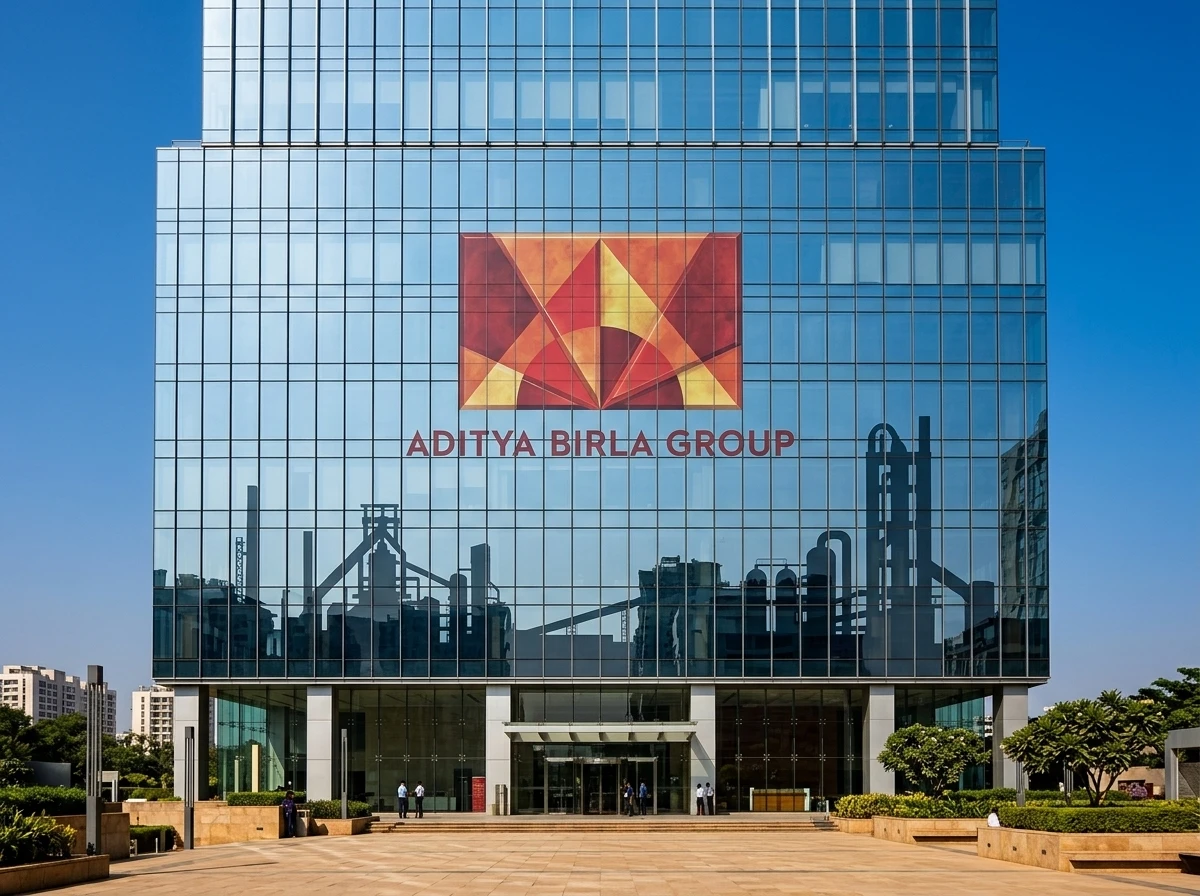
Brand strategy specialists called the step a smart institutionalisation of value that previously sat as free goodwill. Operating companies gain clearer accountability for the trust and customer preference the Aditya Birla name delivers when they bid for contracts or raise capital. The Aditya Birla Group official site already positions the parent brand as the common platform that reduces friction and supports long-term growth across its portfolio.
For minority investors the trade-off is transparent: a small, capped cost in exchange for continued association with a recognised conglomerate brand that still opens doors in India and overseas markets.
Governance Shift and the October Filings
Because the individual payments fall below materiality thresholds, shareholder approval was not required in advance. Hindalco, as a SEBI-regulated entity, will still report the related-party transactions in its biannual exchange filings due in October under LODR norms. The same disclosure rhythm will apply to other listed group companies.
The framework sits inside the broader tightening of related-party rules. The SEBI rules on related-party transaction disclosures require audit committees and, when material, shareholders to receive detailed information before approval. Brand royalties now join the list of transactions that must be tracked, quantified and explained.
Pai’s language of “structured governance” matches the direction regulators have pushed for years. Family stewardship that once operated on trust alone now carries a price tag and a disclosure trail. The Tata Sons annual report documents have long itemised brand subscription income; Aditya Birla’s filings will soon do the same.
The next test arrives with UltraTech and the remaining entities confirming exact numbers and with the October RPT filings that put the first half-year payments on record. The pattern already visible at Tata suggests the fee becomes background noise once models absorb it, while the promoter holding company gains a durable, diversified cash stream that scales with group revenue.
Frequently Asked Questions
What is the exact brand royalty rate and annual cap under the Aditya Birla framework?
Group companies pay 0.25% of revenue, subject to a hard annual ceiling of Rs 225 crore per entity. Grasim calculates the charge on standalone revenue only. The cap applies for a full 12-month period and no payment is due in any year the company reports a pre-tax loss.
When does the Aditya Birla brand royalty start for Grasim, Hindalco and Novelis?
The framework is effective from June 1, 2026. Grasim begins then. Hindalco’s India operations and Novelis begin under the same terms from FY27, following the Novelis 10-Q disclosure that first brought the arrangement into public view.
How does Aditya Birla’s brand fee compare with Tata Sons?
Tata Sons charges 0.25% for direct Tata brand users and 0.15% for indirect users, with a cap near Rs 200 crore. It collected approximately Rs 2,195-2,285 crore in brand subscription income in FY26. Aditya Birla’s rate matches the direct Tata rate and its cap is slightly higher at Rs 225 crore, though the total collection base is still smaller.
Will the royalty change Hindalco’s capital allocation or dividend policy?
No. Satish Pai stated the amount remains below Hindalco’s materiality threshold and will not affect capital allocation or the dividend policy. Jefferies and Citi view the Grasim impact as manageable at under 5% of EBITDA.
Who receives the brand royalty payments and what are they used for?
Payments go to Birla Group Holdings Private Limited, the private promoter entity that owns the Aditya Birla brand. Management said the funds will be invested in strengthening and future-proofing the brand across the group’s businesses.
 Scotland Reader Photos Capture Eclipse Week Beyond the Sky
  Scotland’s Rare World Cup Win Over Haiti Still Echoes
  Scottish Morning Roll Campaign Echoes Baguette Path to Unesco
  Samsung Passport Fold8 Turns Apple Fans Into Switchers
  Android’s Quiet Shift to Ambient AI Hardware This Week
 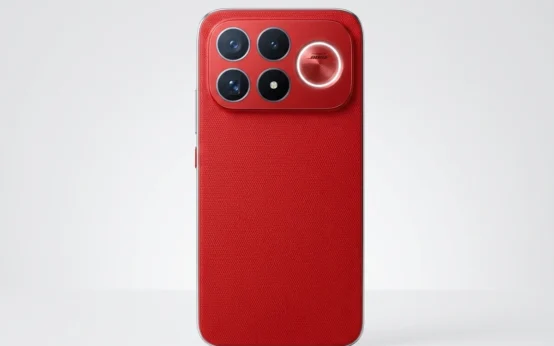 Poco F9 Leak Hands Global Buyers Less Battery for More Money