
 Ishan Crawford
 Peter Gilchrist launched a campaign in late May 2026 to put the act of ordering a Scottish morning roll on Unesco’s living heritage list for 2027. The Glasgow University Food and Drink History Lab co-director wants community recordings of everyday orders to secure the same recognition already given to France’s baguette and Naples’ pizza makers.
Soft, crispy or well-fired remains the daily choice facing hundreds of thousands of Scots. Gilchrist argues that choice, not the roll alone, carries half a millennium of practice worth protecting.
How the Bid Collects Its Proof
Gilchrist hosted an event at Inn Deep in Glasgow on 26 May 2026. Attendees recorded their names, hometowns and usual orders. Those clips form the community consent Unesco requires.
He is touring archives, including the Trades Hall of Glasgow, hunting references that match or beat a 1601 Edinburgh mention. Mortons, known for crispy rolls, backed the effort before the firm later ceased trading. The goal is national pride, not direct cash. Unesco status promotes recognition the way a ceilidh or Highland Games already does.
The act of ordering a morning roll is as Scottish as a ceilidh or the Highland Games. We’ve had morning rolls for more than 500 years, but we don’t talk about them with the pride they deserve.
Gilchrist told The National. He added that Scots often name haggis, whisky or a deep-fried Mars bar when asked about national food, yet those rarely appear on daily plates. Italians name what they actually eat. Scotland’s poverty history, he said, made food about survival first, so craftsmanship stayed hard to see.
What Sets a Scottish Morning Roll Apart
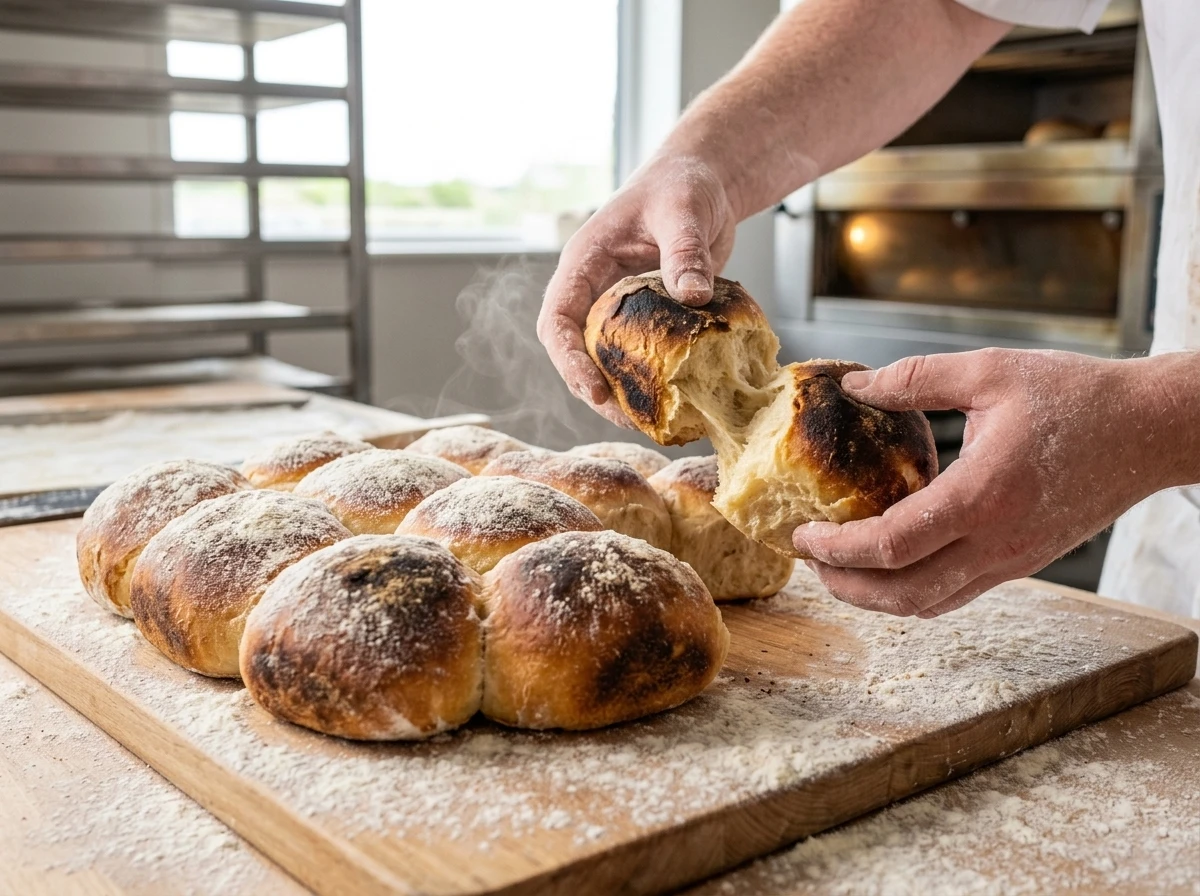
Long fermentation of up to 16 hours, traditionally with lard or fat in a wet dough of strong flour, produces the light, chewy, crusty result. A thick flour coating protects the surface in a very hot oven. The first batch often darkens into well-fired rolls, once a cheaper by-product and now a deliberate favourite for their bitter edge.
Regional differences matter. Edinburgh rolls run a touch sweeter with more fat. Dundee ones carry heavier flour. Hand-formed ovals or triangles gave way to modern square pull-apart batches, yet the core method holds.
- Soft: classic light interior, thin crust
- Crispy: firmer exterior still soft inside
- Well-fired: darker char, deeper flavour
Fillings turn the roll into breakfast. Lorne sausage, link sausage, bacon, egg, tattie scone, haggis and black pudding all appear. The order itself signals family habits and local taste.
Aisling McGhee, fourth generation at the family firm, said morning rolls make up 45 per cent of sales. The Port Dundas site runs 24 hours to meet demand. James Evans at Café D’Jaconelli in Glasgow sells around 200 McGhee’s rolls a day and calls the sealed pack’s smell irresistible once cut.
Five Centuries Inside the Bakehouse
Scottish bakers relied on imported high-strength wheat and avoided overnight journeymen shifts common farther south. They set a sponge the evening before with barm from brewing, then finished dough at first light while ovens heated.
- 1631: Incorporation of Baxters of St Andrews records bans on selling certain rolls and bannocks outside set service.
- 1829: Inverness baker Alexander Shaw advertises morning rolls specifically.
- 1840s-1860s: Sabbatarians attack Sunday evening sponge work for Monday rolls; some bakers trial Saturday methods with mixed success.
- Late 19th-early 20th century: Mechanisation shifts shapes to square batches while fat, flour coat and hot oven stay.
- World Wars onward: Price controls push small bakers away from plain bread toward rolls, pies and cakes as specialities.
The long overnight fermentation and lard practices created a product distinct from English baps. Modern versions keep the fat (rarely pure lard now), flour dusting and high heat.
The Order Itself Carries the Culture
Gilchrist treats the ritual of choosing char level and filling as the living element. Family dynamics appear in the spoken order. Friends share regulars. That chain of daily decisions, he says, lets ordinary Scots feel connected without flags or formal dance.
Crowd conversation on platforms and in bakeries circles endlessly around soft versus well-fired and the right square sausage cut. Supermarket versions draw scorn as impostors. The culture stays local: rare outside Scotland though a few English delis and stores now stock them, and one north London spot bakes its own with Scottish flour.
Recognition would sit beside other Scottish Unesco marks such as the Isle of Arran’s Unesco Global Geopark recognition. It would not freeze the roll in amber. It would simply name the practice already happening every morning.
Seven Other British Bakes That Fit the Same Frame
Protected names already cover Melton Mowbray pork pies and Cornish pasties. The Telegraph list champions quieter classics that share the morning roll’s everyday status and regional grip.
| Bake | Core region | Why it fits the pattern |
|---|---|---|
| Empire biscuit | Scotland (and north England) | Double biscuit, jam centre; bakery staple with deep local loyalty |
| Saffron buns | Cornwall | Once wider; Good Friday treat with clotted cream, now south-west rarity |
| Devonshire splits | Devon | Light yeasty buns split for jam and cream; largely replaced by scones |
| Staffordshire oatcakes | Stoke-on-Trent area | Oatmeal pancakes for fry-up fillings; 2014 protected-status bid failed |
| Stotties | North-East England | Flat round loaves; classic with ham and pease pudding, even at Greggs |
| Yorkshire parkin | Yorkshire and Lancashire | Moist sticky ginger cake; Bonfire Night tradition that could travel further |
| Welsh cakes | Wales | Currant griddle cakes best warm; supermarket versions trail home-baked |
Each carries craft, local memory and the risk of fading from daily tables. Unesco living heritage has already lifted similar ordinary breads and practices. The artisanal know-how and culture of baguette bread joined the list in 2022. The art of the Neapolitan pizzaiuolo inscribed in 2017 covers dough work and wood-oven skill. Scotland’s roll bid follows that exact route.
Bakers Live the Stakes Every Shift
McGhee’s Glasgow bakery since 1936 still treats the morning roll as its core. Four generations later the firm is one of Scotland’s most chosen food brands. Production never stops because demand never stops. Aisling McGhee calls the roll part of daily routine and national identity. Unesco light would simply match what the bakers already know.
Independent shops and cafés keep the fresh, hot version alive against factory bread. The campaign asks Scots to value that chain instead of laughing at their own table. Gilchrist collects more memories and orders through the year. If Unesco agrees in 2027, the morning queue at the bakery counter will carry an official stamp it has earned for centuries.
The roll stays the same. The pride around it would not.
 Adobe Bets on Experience Cloud’s Anil Chakravarthy as CEO
 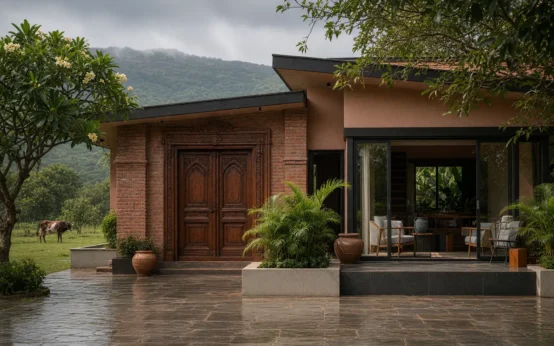 The Quiet Architect Behind Akshay Oberoi’s Karjat Home
  Nothing Ear 3A Hits $79 and Repeats the Slide
 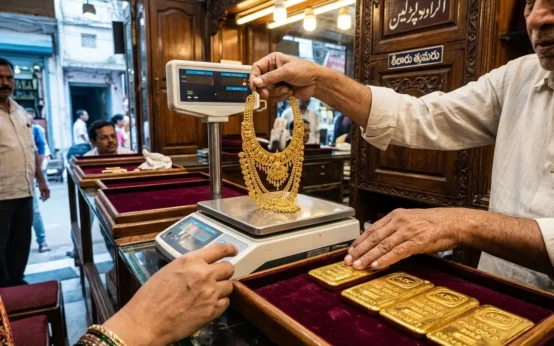 Hyderabad Gold Dip Freezes Buying as Duty Talk Hits Wedding Season
  India Pushes Japan CEPA Review After 15 Years of One-Way Gains
  HDFC Bank’s US Class Action Turns Deposit Scheme Into Securities Reckoning