
 Ishan Crawford
 Gold barely moved on Monday even as two of its strongest historical tailwinds, a hot war in the Middle East and rising inflation, blew at full strength. Spot gold edged down 0.2% to $4,529.62 an ounce in Asian trading, sitting just above the two-month low it touched last week. For an asset sold as the ultimate crisis hedge, that is a strange place to be standing.
The reason is not hard to find. Traders have spent recent weeks tearing up their bets on Federal Reserve rate cuts and pricing in the opposite, and that single repricing is doing more to push bullion around than any headline out of Tehran.
Why Gold Slipped as War Headlines Built
Gold is the asset investors are taught to buy when the world looks dangerous and paper money is losing value. Both conditions apply right now. Stalled ceasefire negotiations between Washington and Tehran, an expanding Israeli campaign in Lebanon, and a fresh climb in oil prices all point one way. The metal still slipped.
U.S. gold futures fell 0.7% to $4,559.22 on Monday, and the broader picture is softer than the daily move suggests. Bullion dropped to a two-month low last week before clawing back some ground as talk of a temporary truce briefly cooled fears of a wider regional war. The recovery was thin, and it did not hold.
What is overriding the safe-haven story is the cost of holding gold itself. Because the metal pays no interest or dividend, its appeal rises and falls against what investors can earn elsewhere. When that yield climbs, the math for owning a barren asset gets worse, regardless of how the front pages read. This same standoff has pinned prices for weeks, as detailed in earlier coverage of how US-Iran talks and Fed hike bets collided to cap gold near $4,505.
- $4,529.62 spot gold, down 0.2% on the session
- $4,559.22 U.S. gold futures, down 0.7%
- Two-month intraday low printed last week before a partial bounce
- U.S. Dollar Index up 0.2% in Asian hours, adding pressure
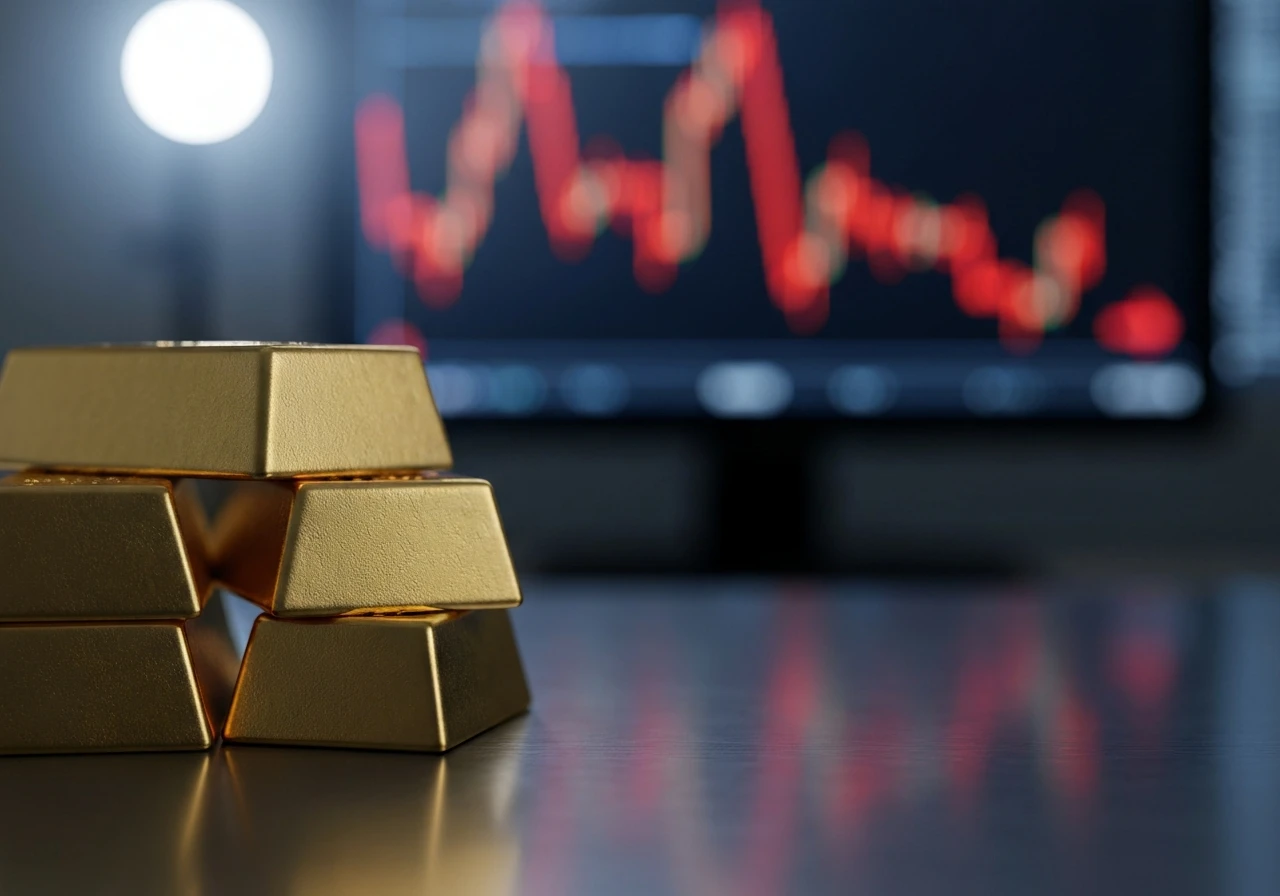
The Fed Pivot From Cuts to Hikes
For most of this year, markets assumed the Federal Reserve (Fed, the U.S. central bank) was done tightening and would start cutting rates. The war changed the arithmetic. Higher crude prices feed straight into inflation, and a central bank fighting inflation does not cut into a price spike. So investors flipped their expectations, and some now brace for an outright rate hike before year-end.
That matters because gold tracks real interest rates, meaning the yield on bonds after inflation is stripped out. Research from the Federal Reserve Bank of Chicago puts a number on the link: a 1 percentage point rise in the expected ten-year real rate is associated with a roughly 3.4% fall in real gold prices. When the market prices a longer, higher path for rates, that relationship pulls bullion lower well before any policy meeting happens.
The mechanism is opportunity cost. A Treasury bill or a high-yield savings account that pays a real return competes directly with a gold bar that pays nothing. The reasoning behind that inverse pull is laid out in the Chicago Fed’s own work on what actually drives gold prices over time.
This is the quiet engine under Monday’s move. The geopolitical risk is real and it puts a floor under the metal. But the rate story sets the ceiling, and right now the ceiling is doing the heavier lifting.
A Firmer Dollar Compounds the Pressure
Gold is priced in dollars, so the greenback’s strength flows directly into the metal’s tag. The U.S. Dollar Index edged up 0.2% in Asian hours on Monday, and that alone makes bullion costlier for buyers holding euros, yen or rupees, softening overseas demand even when nothing changes about gold’s own supply.
A stronger dollar and the prospect of higher U.S. yields tend to travel together, which is why the two headwinds keep arriving at the same time. That combination has repeatedly stalled rallies this spring, a dynamic explored in coverage of how Fed hike bets and a Hormuz oil shock powered the dollar against gold.
Oil’s Rebound and the Hezbollah Flare-Up
The geopolitical bid has not gone away. It has simply been outmuscled. Crude prices rebounded on Monday after Israel widened its operations, and every dollar added to oil reinforces the inflation worry that keeps rate hikes on the table. That makes the energy market a double-edged driver for gold: it raises the crisis premium and the rate threat at once.
Crude’s Rebound Feeds the Inflation Story
Oil climbed as traders weighed the risk that fighting could disrupt regional supply again. Higher energy costs are exactly what the Fed cannot ignore, and they complicate any path back toward rate cuts. The same ceasefire hopes that briefly knocked oil down last week have proven fragile, after Brent had already shed almost 10% in a week on a truce nobody had signed.
That whipsaw captures the mood. Markets keep pricing peace one day and conflict the next, and gold gets pulled in both directions inside a narrow band.
Hezbollah and the Hormuz Question
The expansion of Israeli operations against the Iranian-backed Hezbollah group in Lebanon raised fresh fears that regional tensions could intensify. Several threads keep a floor under the metal even as rate expectations cap it.
- Stalled talks on a permanent ceasefire between Washington and Tehran, which still need sign-off from U.S. President Donald Trump
- Israel’s expanded campaign against Hezbollah, widening the conflict beyond its original front
- Unresolved questions over reopening shipping through the Strait of Hormuz, a chokepoint for global oil
How Gold, Silver and Platinum Moved
The split across precious metals tells its own story. Gold lagged on Monday while its industrial cousins firmed, a sign that part of the day’s bid was about factory demand and supply rather than pure haven buying.
| Metal | Price | Daily move | Read |
|---|---|---|---|
| Gold (spot) | $4,529.62/oz | -0.2% | Pinned near a two-month low |
| Gold (futures) | $4,559.22/oz | -0.7% | Weaker than spot on the session |
| Silver | $75.53/oz | +0.3% | Firmer on industrial demand |
| Platinum | $1,939.95/oz | +1.0% | Strongest of the group |
Silver and platinum carry heavier industrial use than gold, so they respond to manufacturing and tight supply as much as to interest rates. Their gains while gold dipped suggest buyers were not fleeing risk wholesale; they were rotating within the complex.
For gold specifically, the message from the tape is consistency. The metal has struggled in recent sessions despite the textbook case for owning it, and that gap between the narrative and the price is the whole story this week.
Fed Speakers and Labor Data Set the Next Move
Attention now turns from the battlefield to the data calendar. Traders are watching scheduled speeches from Federal Reserve officials and a run of U.S. economic releases, including labor market figures, for any clue on whether the central bank really leans toward a hike or holds its nerve.
Labor data carries outsized weight here. A hot jobs print would harden the case for tighter policy and push real yields higher, which historically drags gold down. A soft one would revive the cut narrative and hand bullion room to run back toward its recent highs.
The ceasefire track runs in parallel. Any genuine breakthrough between Washington and Tehran would cool the oil-driven inflation fear and, paradoxically, could ease the rate pressure that has been weighing on gold. A breakdown would do the reverse, lifting crude and the haven bid together.
If the labor numbers come in hot and Fed speakers endorse a hike, gold likely tests last week’s low again and the band that has held since spring starts to crack lower. If the data softens and the truce talks find a footing, the same headlines that capped the metal flip into a tailwind, and the two-month floor becomes a launch pad.
Frequently Asked Questions
Why is gold falling if there is a war in the Middle East?
Because interest-rate expectations are outweighing the war premium. Gold pays no yield, so when markets price Federal Reserve rate hikes and real interest rates rise, the cost of holding bullion climbs and the price tends to fall even during a conflict. The Middle East tension puts a floor under gold, but the rate outlook is setting the ceiling.
Does gold still work as an inflation hedge?
Over long horizons gold has held value against inflation, but in the short run it can fall when inflation triggers expectations of higher interest rates. Right now, rising oil-driven inflation is pushing the Fed toward tightening rather than easing, and that prospect is hurting gold more than the inflation itself is helping it.
How do Federal Reserve rate hikes affect gold prices?
Higher rates raise the return on competing assets like Treasury bills and savings accounts, which makes a non-yielding gold bar less attractive. Federal Reserve Bank of Chicago research links a 1 percentage point rise in the expected ten-year real rate to a roughly 3.4% fall in real gold prices.
What is the gold price now?
Spot gold traded near $4,529.62 an ounce on Monday, down about 0.2% on the session, while U.S. gold futures slipped 0.7% to $4,559.22. The metal sat just above the two-month low it reached last week.
What should gold investors watch next?
Two things drive the near-term path: upcoming U.S. labor market data and speeches from Federal Reserve officials that signal the rate direction, plus the state of US-Iran ceasefire talks. Hot jobs data favors more tightening and weighs on gold, while progress on a truce could ease oil prices and the rate pressure together.
Disclaimer: This article is for informational purposes only and is not investment advice. Trading commodities such as gold, silver and platinum carries significant risk, including the possible loss of capital, and prices are highly volatile. Consult a qualified financial professional before making investment decisions. All prices and figures are accurate as of publication and may have changed since.
 Scotland Reader Photos Capture Eclipse Week Beyond the Sky
  Scotland’s Rare World Cup Win Over Haiti Still Echoes
  Scottish Morning Roll Campaign Echoes Baguette Path to Unesco
  Samsung Passport Fold8 Turns Apple Fans Into Switchers
 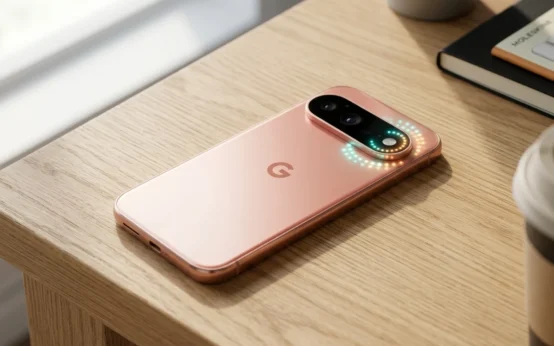 Android’s Quiet Shift to Ambient AI Hardware This Week
  Poco F9 Leak Hands Global Buyers Less Battery for More Money