
 Ishan Crawford
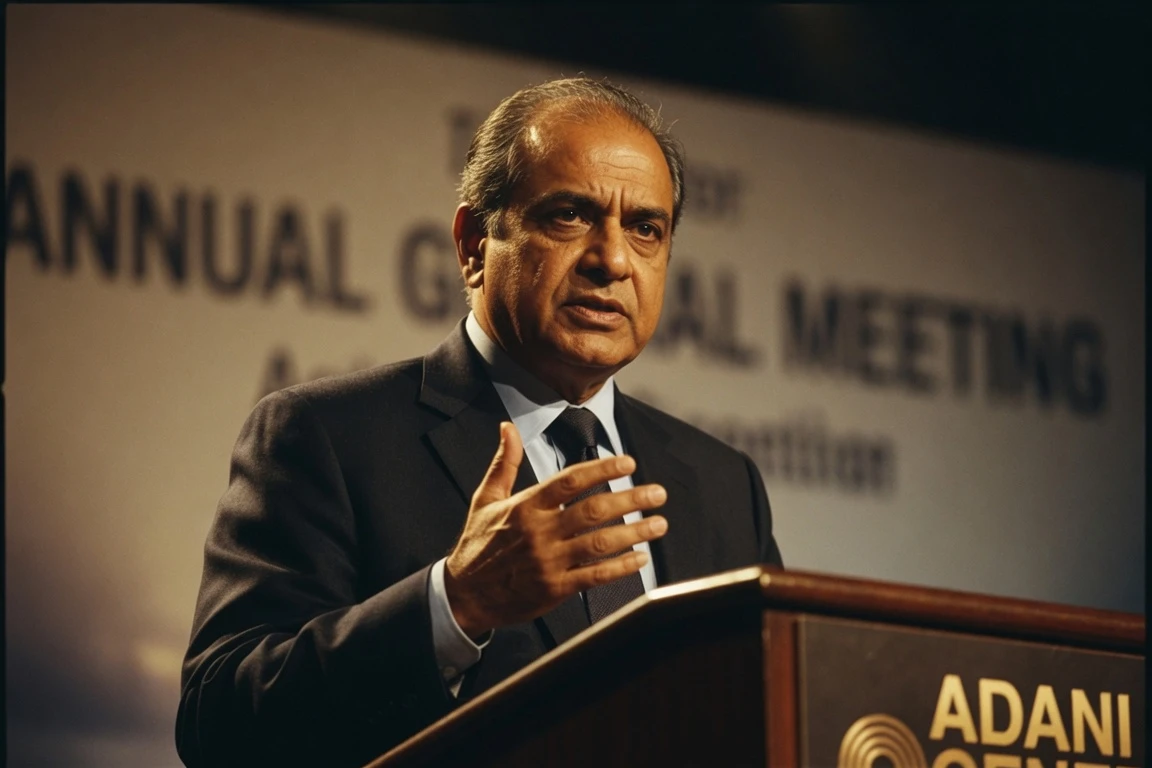
 At his 34th Annual General Meeting on Wednesday, Adani Group chairman Gautam Adani framed FY26 as a defining year and anchored the conglomerate’s next decade in nuclear power, artificial intelligence and a record Rs 1.5 lakh crore of infrastructure spending. He tied the year’s investments to a 10 GW nuclear push through a new subsidiary, a Rs 2 lakh crore Adani Power expansion plan and a gigawatt-scale AI data centre campus that AdaniConneX is building with Google in Visakhapatnam.
Adani’s Twin Engines for the Decade Ahead
Adani told shareholders that infrastructure and intelligence had become inseparable levers of national power. “Infrastructure gives a nation muscle. Intelligence gives a nation mastery,” he said at the AGM. The chairman framed FY26 as proof that the group could keep building through what he called extraordinary scrutiny.
The conglomerate recorded more than Rs 1.5 lakh crore in capital expenditure on hard infrastructure during FY26, an outlay Adani said represented over 30 per cent of India’s total new private-sector capex for the year. He called the investment “a statement of belief” and tied it directly to the energy, transport and digital build-out he is funding into FY27 and beyond, per Adani’s twin-engine AGM address. In the same speech, he defended the group’s Rs 25,000 crore rights issue earlier in 2026, calling shareholder participation “a referendum on our credibility”. He also thanked shareholders for backing the company through what he described as a fractured global backdrop.
Infrastructure gives a nation muscle. Intelligence gives a nation mastery.
Gautam Adani, chairman of the Adani Group, delivered the line on June 24 at the conglomerate’s 34th AGM in Ahmedabad. He framed energy security, technology and national sovereignty as the three forces shaping the group’s strategy. Adani Cement contributed to national projects ranging from the Chenab Railway Bridge to Navi Mumbai International Airport, he said.
What a 10 GW Nuclear Target Says About Adani’s Ambition
The single most consequential new commitment at the AGM came from a unit most shareholders had not heard of a year ago. Adani Atomic Energy, the Adani Group’s nuclear entry vehicle, has identified land and is positioning early to meet what the chairman called growing national demand for clean, round-the-clock power. The move marks the conglomerate’s first formal step into nuclear generation at scale, at a moment when India has begun opening the sector to private participation. Adani tied the entry to the data centre and heavy industry load that he expects to follow over the rest of the decade. He called the entry “another confident step towards securing India’s long-term energy future” in his Adani’s 10 GW nuclear roadmap to 2035.
India’s privatised nuclear window has opened the door to new entrants. Adani Power registered a new company to anchor its nuclear push, and that vehicle has now been positioned under the Adani Atomic Energy umbrella. The group is also pressing ahead on hydropower through a partnership with Bhutan’s Druk Green Power Corporation, a tie-up that adds another mountain-state clean energy source to the portfolio. Adani Total Gas is also expanding its city gas network, the chairman said, with rising piped natural gas demand supporting the build-out.
| Initiative | Vehicle / partner | Capacity target | Investment status |
|---|---|---|---|
| Nuclear generation | Adani Atomic Energy | 10 GW by 2035 | Land identified; capex not stated |
| AI data centre hub | AdaniConneX and Google | 3 GW platform by 2030 | Approx. USD 15 billion Google AI hub, 2026-2030 |
| Hydropower | Druk Green Power Corporation (Bhutan) | 5,000 MW | Joint development partnership |
| City gas distribution | Adani Total Gas | 1.1 million PNG home connections crossed | Network expansion underway |
Adani Power’s Rs 2 Lakh Crore Push to 45 GW of Capacity
Conventional power, not nuclear, is where Adani is committing the largest near-term cheque. “At Adani Power, we are implementing India’s largest ever private sector power capex programme of over Rs 2 lakh crore, with a target of reaching 45 GW of capacity over the next five years,” the chairman told shareholders, per Adani Power’s Rs 2 lakh crore, 45 GW plan.
The capacity addition sits inside a multi-energy portfolio the group is now assembling. Adani has tied the conventional build to a hydropower partnership in Bhutan and a new nuclear vehicle, with all three lines running in parallel. The conglomerate is also ramping up transmission capacity through Adani Energy Solutions, which expanded its order book to Rs 72,000 crore in FY26. Project wins include the Khavda South Olpad HVDC line, which Adani called proof of the group’s position as “India’s only private-sector player with proven HVDC capability”. The Adani Power capex programme and the new nuclear vehicle together account for the bulk of the group’s near-term energy spend.
Net debt to EBITDA stood at 3.3 times at year end. Adani Power framed the capex programme and capacity push at the AGM, alongside the transmission build-out and hydropower partnership. The Rs 25,000 crore rights issue completed earlier in 2026 also bolstered the balance sheet, Adani said, calling the shareholder response a referendum on the group’s credibility. The build runs in parallel with the AI data centre hub that AdaniConneX is developing with Google.
Behind the Google-AdaniConneX AI Hub Agreement
The single biggest AI infrastructure commitment tied to Adani sits in Visakhapatnam. AdaniConneX, a 50:50 joint venture between Adani Enterprises and US-based EdgeConneX, signed a binding agreement with Google to develop what the parties called India’s largest AI data centre campus in October 2025. The partnership includes new transmission lines, clean energy generation and energy storage in Andhra Pradesh to power the campus. Adani described the project as “more than just an investment in infrastructure” and called it “an investment in the soul of a rising nation”. Thomas Kurian, CEO of Google Cloud, said Google was investing in the hub “to unlock India’s massive potential in the AI age”, per the binding Visakhapatnam data centre partnership.
The data centre business is being built to support an AI workload surge that Adani expects to follow India’s economic growth. Adani told shareholders the binding Google agreement was evidence of growing demand for digital infrastructure across the country. The hub will add significant compute capacity for AI workloads and pair with a subsea cable network and clean energy infrastructure. Adani’s twin-engine framing puts the data centre expansion next to the physical infrastructure build-out, not above it.
Logistics Hit 500 Million Tonnes as Two New Airports Open
The AGM also delivered operational milestones outside the energy business, where the conglomerate’s ports and airports divisions operate. The chairman framed FY26 as a record year on the cargo side and as a milestone year for the group’s expanding airport network. Both themes ran through the same address, alongside the energy and digital commitments.
- Adani Ports handled more than 500 million tonnes of cargo in FY26
- Vizhinjam transshipment port crossed one million TEUs in its first year of operations
- Navi Mumbai International Airport opened during FY26
- New integrated terminal at Guwahati Airport opened
- Both airports named among the world’s seven most beautiful airports
Aviation milestones came from two flagship openings during the year. Adani inaugurated both the Navi Mumbai International Airport and a new integrated terminal at Guwahati Airport during FY26, with Prime Minister Narendra Modi presiding over both events. The chairman told shareholders that the two airports had made it to a list of the world’s seven most beautiful airports. The Guwahati terminal sits inside the wider Adani airport network that the chairman now positions as a national platform.
The Navi Mumbai airport was described by Adani as a world-record infrastructure project, built in just over four years and designed to handle 90 million passengers annually. Adani Cement contributed to national projects ranging from the Chenab Railway Bridge to the airport itself, he said. The group’s airport, digital infrastructure, mining, cement and defence businesses all hit milestones that Adani used to argue the integrated platform thesis was paying off. He positioned the conglomerate as “the world’s most integrated infrastructure platform” across energy, transport, logistics, utilities and industrial manufacturing. The breadth was his answer to critics who questioned whether so many businesses could move in step.
Defence Work Since Operation Sindoor Is Quietly Scaling
Adani’s defence pitch got sharper at this AGM. The chairman said the group’s drones, anti-drone systems, missiles and ammunition supported Indian armed forces during Operation Sindoor. Partnerships with Italy’s Leonardo and Brazil’s Embraer are also helping build domestic manufacturing ecosystems for helicopters and regional aircraft. He called the partnerships part of the group’s plan to add manufacturing depth in India, not just sell into the defence market.
The Leonardo and Embraer ties cover manufacturing, maintenance, repair and overhaul, plus training capabilities inside India. The chairman did not break out a defence revenue figure at the AGM. The speech framed the work as part of the broader nation-building pitch that ran through the rest of the address.
FY26 by the Numbers, From Revenue to the Capex Bill
The financial backdrop to all the commitments came out in the same address. The AGM release walked through the FY26 numbers line by line, from consolidated revenue to cash flow. Adani said the results give the group “the financial strength, liquidity and confidence to fund our ambitious capex plans and continue building at unmatched scale across India’s core infrastructure sectors”. Net debt to EBITDA came in at 3.3 times, a level the chairman did not foreground in the speech excerpts released. The full figures, with year-on-year context, sit in the snapshot below.
- FY26 consolidated revenue: Rs 2.92 lakh crore, up 7.4 per cent year on year
- FY26 EBITDA: Rs 94,834 crore
- FY26 profit after tax: Rs 46,376 crore, up 13.9 per cent year on year
- FY26 cash flow: Rs 67,995 crore
- Net debt to EBITDA at year end: 3.3 times
Cash flow for the year came in at Rs 67,995 crore, giving the group the liquidity to back a multi-year capex schedule. The Rs 25,000 crore rights issue completed earlier in 2026 also bolstered the balance sheet, Adani said, calling the shareholder response a vote of confidence in the conglomerate’s strategy. He framed the financial year as proof that the group could keep building through what he called extraordinary scrutiny, against the backdrop of what US legal relief means for Adani’s debt stack.
The AGM did not split the FY26 infrastructure outlay between energy, transport and digital. It also did not give a year-by-year run-rate for the new nuclear and AI build-outs. The shareholder response did not translate into immediate market calm, with the post-legal-relief Adani stock selloff dragging group stocks lower in early June.
Frequently Asked Questions
What is Adani Atomic Energy and what is its target?
Adani Atomic Energy is the Adani Group’s new vehicle for nuclear power generation. Chairman Gautam Adani told shareholders at the 34th AGM that the subsidiary has identified land and is targeting 10 GW of nuclear power capacity by 2035. The entry marks the group’s first formal move into nuclear generation at scale, sitting alongside Reliance Industries, which also moved into the sector earlier in 2026.
How much is Adani Power spending on new generation capacity?
Adani said the group is executing what he called India’s largest private-sector power capex programme at Adani Power: over Rs 2 lakh crore to build 45 GW of generation capacity over the next five years. The chairman framed the build as the single biggest near-term cheque in the group’s energy push, ahead of the 10 GW nuclear target and the 3 GW data centre plan.
What is the Google-Adani Visakhapatnam data centre deal?
AdaniConneX, the 50:50 joint venture between Adani Enterprises and EdgeConneX, signed a binding agreement with Google in October 2025 to develop what the parties call India’s largest AI data centre campus in Visakhapatnam, Andhra Pradesh. Google described the broader AI hub as an investment of approximately USD 15 billion over five years from 2026 to 2030, including gigawatt-scale data centre operations, subsea cable network and clean energy infrastructure.
How much did Adani Group invest in infrastructure in FY26?
Adani said the conglomerate invested more than Rs 1.5 lakh crore in hard infrastructure during FY26, an outlay he described as over 30 per cent of India’s total new private-sector capital expenditure for the financial year. The investment covered energy, transport, logistics, airports, digital infrastructure and industrial manufacturing, he said.
What were Adani Group’s headline FY26 financial results?
Consolidated portfolio revenue rose 7.4 per cent to Rs 2.92 lakh crore. EBITDA came in at Rs 94,834 crore, and net debt to EBITDA stood at 3.3 times. Profit after tax increased 13.9 per cent to Rs 46,376 crore, while cash flow reached Rs 67,995 crore.
 ONGC licence frees Venezuela cash and operatorship talks
  Anthropic Hits $65 Billion Run Rate and Flips the AI Cash Test
  Supreme Court grounds the fare free-for-all with three-week clock
  Gold Nears $4400 as Soft Data Meets Oil Inflation Risk
  Nifty Slips as Zaggle Circuits and Dhoot Debuts Big
  Diesel Crack Tops $100 as Iran Rhetoric Lifts Crude