
 Ishan Crawford
 Xiaomi has locked in May 28 for the global reveal of the 17T and 17T Pro, calling it the brand’s biggest T-series upgrade yet in an official post that ended weeks of leak-driven speculation. The base 12GB and 256GB model is tipped to start at €749 (about ₹83,950), with the Pro at €999 (roughly ₹1.12 lakh), pricing that pushes the line into upper-mid-range territory it has avoided in India for nearly five years.
The timing matters more than the spec sheet. India’s smartphone market shrank 4.1% in the first quarter of 2026, the budget segment collapsed 59% on memory-cost inflation, and the only category still adding shipments is the one the 17T is aimed at.
Xiaomi Sets May 28 for the 17T Global Reveal
Xiaomi’s announcement pinned the date and the lineup, naming the 17T and the 17T Pro as the two global models. There is no Ultra variant in the global mix, which mirrors the structure the brand used for the 14T cycle. The reveal follows the 17 Max debut in China earlier this week, leaving the T cadence back on its standard mid-year window.
Previous reports point to India being one of the launch markets, possibly for both phones, possibly only the base 17T. If accurate, that would mark the first time a ‘T’ series device has officially landed in the country since the Mi 11T Pro arrived in January 2022. Indian smartphone media has been treating the prospect as the line’s homecoming after four full release cycles spent away.
Pricing positioning carries echoes of the 14T pair in Europe last year, though the absolute numbers are higher. At €749, the 17T undercuts mainstream flagship pricing while sitting well above the sub-€500 zone where Xiaomi’s Redmi Note tier lives. The Pro at €999 sits one rounded euro under the four-figure threshold that often determines whether a phone gets reviewed as ‘flagship’ or ‘almost flagship’ on the spec-led publications.
Xiaomi has not yet confirmed the leaked Europe prices, but the figures have surfaced through two independent sourcing chains across April and May with broadly consistent numbers. Promo material the brand pushed out last week lined up with the leaked spec sheet on display sizes, chipsets and battery capacities. The price tag is the last meaningful blank.
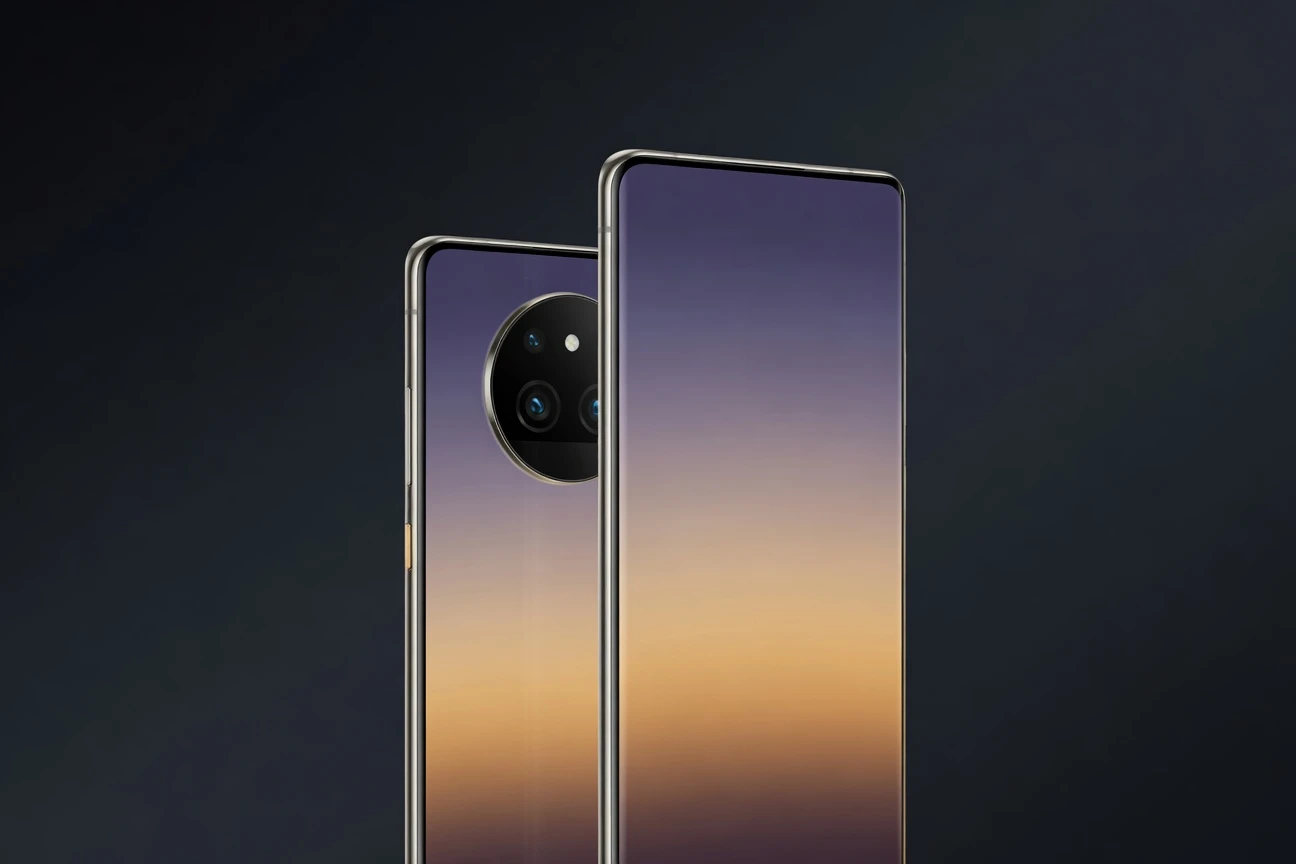
The India Return Nobody Saw Coming
Mi 11T Pro buyers got their phone in India on January 19, 2022, paying ₹39,999 for the 8GB and 128GB build that Xiaomi pitched at the time as a ‘HyperPhone’ built around 120W fast charging. After that release, the brand quietly stopped bringing the global T cadence to the Indian market. The 12T, 13T and 14T cycles all skipped the country.
The absence was strategic. India’s premium and upper-mid-range segments were tightly contested in 2022 and 2023, and Xiaomi defended volume with the Redmi Note tier while letting OnePlus, iQOO and Vivo’s V-series fight over the in-between zone. Reviving the T line in the country only makes economic sense if that in-between zone is back in play.
In the first quarter of 2026, the gap reopened. IDC’s India shipment tracker for Q1 2026 shows shipments fell 4.1% year-on-year as memory and storage costs lifted prices and crushed budget demand. The over-₹30,000 premium tier became the only band still drawing buyers, while online-first rivals slipped across the board.
- 4.1% year-on-year decline in India smartphone shipments, Q1 2026, per IDC.
- 59% drop in the under-₹10,000 budget segment over the same window.
- 8.4% Xiaomi’s India share in Q1 2026, up from 7.8% a year earlier.
- 0 T-series launches in India between the Mi 11T Pro in January 2022 and the expected May 28 announcement.
Two Dimensity Chips, Two Different Bets
Both phones share a chassis language but split on silicon. The Xiaomi 17T runs MediaTek’s Dimensity 8500-Ultra, the upper-mid-tier chip in the company’s current lineup. The Pro steps up to the Dimensity 9500 flagship platform spec page, built on TSMC’s 3nm process with three CPU clusters topping out at 4.2 GHz on a single ARM C1-Ultra core.
The Dimensity 9500 has been posting Geekbench scores around 4,000 on single-core and above 11,000 on multi-core in third-party tests, putting it inside Snapdragon 8 Elite Gen 5 (Qualcomm’s full flagship mobile chip) range on CPU and ahead on sustained GPU efficiency under thermal load. For a phone listed at €999, that pairing makes the Pro a legitimate flagship contender on raw compute alone, before camera or display variables enter the comparison.
The split also tells a positioning story. By keeping the 17T on the 8500-Ultra, Xiaomi protects its base anchor price even as memory contract prices have climbed roughly 80% across the past year on the high-binned NAND and DRAM these chips need. The Pro absorbs the cost of the 9500 alongside the heavier camera and battery hardware, leaving the standard model leaner without surrendering the Leica camera link the line has been built on. Both chips ship with MediaTek’s latest on-device NPU integrated, feeding the AI features Xiaomi bundles under its HyperAI branding.
| Specification | Xiaomi 17T | Xiaomi 17T Pro |
|---|---|---|
| Chipset | Dimensity 8500-Ultra | Dimensity 9500 |
| Display | 6.59 inch AMOLED, 120Hz | 6.83 inch AMOLED, 144Hz |
| Main camera sensor | Light Fusion 800, 50MP | Light Fusion 950, 50MP |
| Telephoto | 50MP, 5x optical | 50MP, 5x optical |
| Battery | 6,500 mAh | 7,000 mAh |
| Wired charging | 67W | 100W |
| Wireless charging | Not listed | 50W |
| Leaked Euro entry price | €749 (12 / 256GB) | €999 (12 / 512GB) |
Cameras Borrowed From the Flagship Tier
Camera hardware is where the bigger surprise lives. The 17T Pro carries the Light Fusion 950 sensor as documented on the Xiaomi 17 global spec page, the same 50MP unit anchoring the China-launched Xiaomi 17 flagship with a 1/1.31-inch optical format paired with Leica Summilux optics. The 17T base steps down to the Light Fusion 800, the previous-generation sensor still capable but a measurable rung lower on dynamic range and low-light handling.
Until now, the T-series sat below Xiaomi’s numbered flagship line on camera silicon. The 12T, 13T and 14T cycles used mid-tier Sony sensors paired with Leica colour tuning, but stopped short of Leica Summilux optics. Carrying the 950 sensor over to the 17T Pro is the first time the full Leica Summilux co-engineering has stretched into a non-flagship Xiaomi.
Both phones share the rest of the rear camera stack: a 50MP telephoto with 5x optical zoom and a 12MP ultrawide. That telephoto in particular is unusual at the €749 anchor price, since most upper-mid-range Android phones still use a 2x or 3x optical telephoto or skip the dedicated module entirely. Front camera details have not entered the official tease yet, though leaks have settled on a 32MP unit on both models. Independent reviewers have not yet tested the Light Fusion 800 against the 950 in matched comparisons, so the practical gap between the two 17T variants on stills remains the main open question on launch day.
The trickle-down matters because cameras have been one of the few axes where Apple has been hard to catch on Android sub-flagship hardware. The 17T Pro’s sensor parity with the numbered flagship sets up a Leica-tuned setup at a price band Apple’s competing iPhone 18 Pro silicon cost report indicates Cupertino cannot easily reach without surrendering margin.
Where €749 Lands in a Memory-Crunched Market
Conversion math puts the 17T at roughly ₹83,950 and the Pro at about ₹1.12 lakh if Xiaomi prices to direct euro parity, which it has historically not. Indian list prices for the brand’s recent global launches have tended to undercut the European number by 8% to 12% once local tax structure, distribution margins and bundled financing are layered in.
Land the 17T near ₹75,000 to ₹80,000, and it walks into a band currently anchored by the OnePlus 13R, the iQOO 13 and the Vivo X200, all of which have shed market share through the past two quarters. The Pro near ₹1 lakh to ₹1.1 lakh collides with the Samsung Galaxy S25 FE and OnePlus 13, plus rising pressure from the iPhone 17 base model that Apple has been discounting aggressively to clear inventory.
The market the phone will be selling into:
- India’s smartphone shipments fell 4.1% year-on-year in Q1 2026 to roughly 31 million units, per IDC’s India tracker.
- The under-₹10,000 budget tier collapsed 59% over the same window on memory-cost inflation tied to the global AI-led DRAM and NAND shortage.
- Online-first rivals all lost ground: Realme dropped from 10.6% to 8.8% share, Poco shipments declined 14%, iQOO fell 23%, and OnePlus slid from 2.4% to 1.7%.
- The over-₹30,000 premium tier was the only segment expanding, drawing demand displaced from the budget collapse.
That share is up for grabs, and OnePlus, Realme, iQOO and Poco have all just vacated parts of it. The 17T’s anchor price walks straight into the gap left behind.
Wednesday’s launch will not answer the India question on its own. Xiaomi typically announces global pricing and Indian pricing in separate beats, with the India SKU landing weeks or months after the global reveal. If the brand confirms an India launch alongside the global one, the bet on the country is on; if it puts the 17T into ‘select markets’ without naming India, the homecoming waits another cycle.
 Scotland Reader Photos Capture Eclipse Week Beyond the Sky
  Scotland’s Rare World Cup Win Over Haiti Still Echoes
  Scottish Morning Roll Campaign Echoes Baguette Path to Unesco
  Samsung Passport Fold8 Turns Apple Fans Into Switchers
  Android’s Quiet Shift to Ambient AI Hardware This Week
  Poco F9 Leak Hands Global Buyers Less Battery for More Money