

The village hall in Fochabers was packed and the atmosphere was colder than the biting wind outside. Hundreds of locals gathered this week to confront the possibility of an apex predator returning to the Scottish Highlands after a thousand-year absence. The debate over reintroducing the Eurasian lynx has moved beyond romantic notions of rewilding and has now crashed into the hard reality of rural livelihoods.
While recent polls suggest the wider Scottish public supports the idea, the mood on the ground is far more volatile. The meeting in Moray revealed a deep divide between conservationists who see an ecological necessity and farmers who see a direct threat to their economic survival.
Building Trust Through Honest Conversations
The “Lynx to Scotland” coalition has spent the last six years trying to pave the way for the cat’s return. This partnership includes major charities like Trees for Life and Scotland: The Big Picture. They have moved away from simply trying to win a popularity contest. Their new goal is much harder. They need to gain “broad acceptance” from the people who will actually live next door to these animals.
Steve Micklewright is the chief executive of Trees for Life. He stood at the front of the hall and faced a room full of skeptical arms folded across chests. He did not try to sugarcoat the risks. His strategy is blunt honesty.
“We are not saying they won’t take sheep because they absolutely will,” Micklewright told the crowd.
This admission is part of a calculated gamble. The charities hope that by admitting the dangers upfront, they can build enough trust to move forward. They are currently analyzing data from 42 information sessions held across the region. They want to submit a bullet-proof license application to NatureScot, but they know the Scottish Government will not sign off unless the local community is on board.
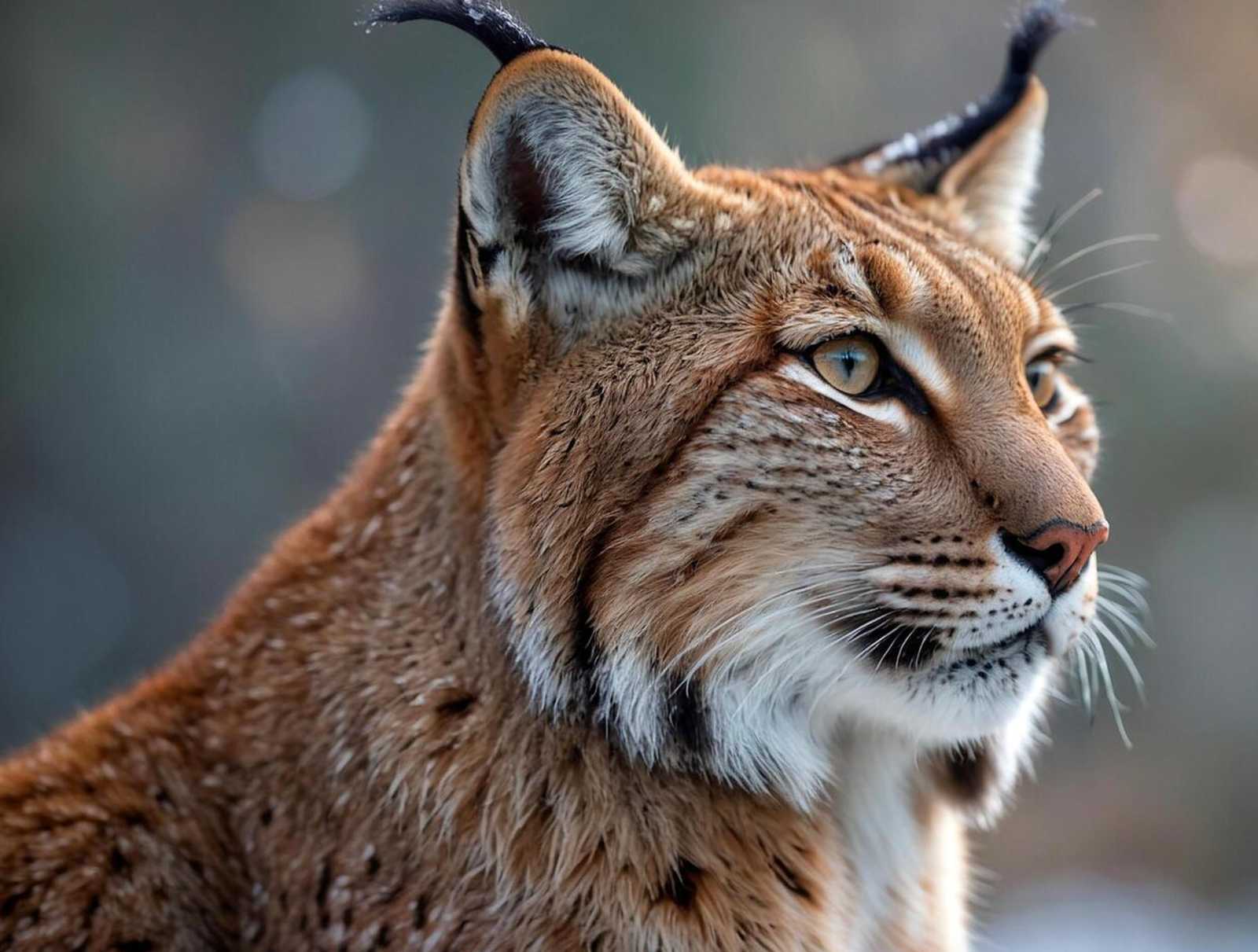
Farmers Fear for Livestock and Livelihoods
The primary opposition comes from the farming community. Organizations like NFU Scotland have long argued that Scotland is unique. Unlike European countries where sheep are often kept in fenced pastures or guarded by dogs, Scottish sheep often graze freely over vast, open hillsides.
Local farmers at the meeting voiced fears that their livestock would be sitting ducks. One deer stalker stood up to challenge the panel. He questioned if the lynx would actually stay in the forests as promised.
“Are the lynx going to stay in the forest and be good creatures?” asked Rob Green, a local resident. “Are they not going to come out and take the neighbor’s cat or my dog? It is just people trying to make names for themselves. When are people going to stop meddling?”
The concerns are financial as well as emotional. Farmers operate on thin margins. Losing even a small number of prize lambs could be devastating. The charities have proposed a compensation scheme, but details remain vague. Farmers want to know exactly who will pay and how long that funding will last.
Rogue Releases and Funding Fatigue
The tension in the room was heightened by events that took place last year. In 2025, reports surfaced that four lynx were illegally released into the Cairngorms. Rumors persist that frustrated rewilding activists took matters into their own hands because the official process was moving too slowly.
This incident has damaged trust. It feeds the narrative that conservationists do not respect the law or the local community. The charities have distanced themselves from illegal actions, but the damage is done.
Money is another major hurdle. The official reintroduction project is expensive.
“We have almost run out of money, if I am honest,” Micklewright admitted during a candid moment at the consultation.
The project leaders say any reintroduction must be self-funding for at least five years. This includes paying for the cats, the monitoring science, and the compensation for farmers. They do not want to rely on government grants. This financial instability gives opponents another reason to worry. They fear the charities will launch the project and then run out of cash when problems arise.
Nature and Economics in the Balance
Despite the fears, the biological argument for the lynx remains strong. Scotland has a massive population of roe deer. These deer overgraze young trees and prevent forests from regenerating. Conservationists argue that lynx are a natural solution. The cats are specialist deer hunters. They could help reduce deer numbers naturally and keep the herds moving, which allows forests to recover.
There is also a potential economic boom. Tourism is a major industry in the Highlands. Supporters point to the “Loch Ness effect.”
“Whether Nessie is there or not, she draws tourists,” said Margaret Luckwell, a Moray resident who supports the plan. “It would be the same with lynx. I would love to see a lynx in the wild.”
The table below outlines the core arguments currently dividing the community:
| Argument For Lynx | Argument Against Lynx |
|---|---|
| Deer Control: Natural reduction of roe deer populations. | Livestock Risk: Threat to sheep, especially lambs. |
| Forest Health: Trees regenerate when deer are kept moving. | Cost: Who pays for compensation and management? |
| Tourism: High potential for wildlife-watching revenue. | Welfare: Stress to farm animals and potential attacks on pets. |
| Ecology: Restoring a native species lost 1,000 years ago. | Suitability: Scotland’s landscape has changed too much. |
The “Lynx to Scotland” team believes it is a matter of “when, not if” the cats return. But the “when” depends entirely on winning over the wary Highlanders who dominated the room in Fochabers.
The road ahead is long. The charities must secure funding, prove they can manage the risks, and heal the distrust caused by last year’s illegal releases. For now, the lynx remains a ghost in the Scottish woods. It is present in every conversation, but absent from the landscape.
What do you think about bringing big cats back to the British countryside? Are the risks to farmers worth the ecological rewards? Share your thoughts in the comments below or join the conversation on social media using #LynxDebate


