
 Ishan Crawford
 Rhys Bowen published The Castle in the Glen on August 4 and two days later explained on CrimeReads why Scotland finally claimed a full novel from her. The dual-timeline story sends a young Australian ghostwriter to the Isle of Skye and uncovers a 1904 drowning that was never fiction.
Bowen had set only one early Royal Spyness book in Scotland before this. Personal memory of rock climbing on Skye’s crags and mist changed that.
Bowen’s Long Detour Back to Scotland
In the CrimeReads essay the New York Times bestselling author of more than sixty novels admits the surprise. Scotland’s bleak mountains, swirling mists and deep lochs that might still hide monsters supply ready-made suspense. Battles, Bonnie Prince Charlie’s flight to Skye and massacres in the heather deepen the wild frame. Edinburgh feels historic and genteel; Glasgow feels gritty. Bagpipes, haggis and kilts round out the customs that keep drawing writers.
Brigadoon and Diana Gabaldon’s Outlander series proved the transport fantasy works. Readers want to step into a place out of time. Bowen felt the same pull after her own climbing days on the island.
She lists the modern wave that followed. The result is a spectrum wider than any single label.
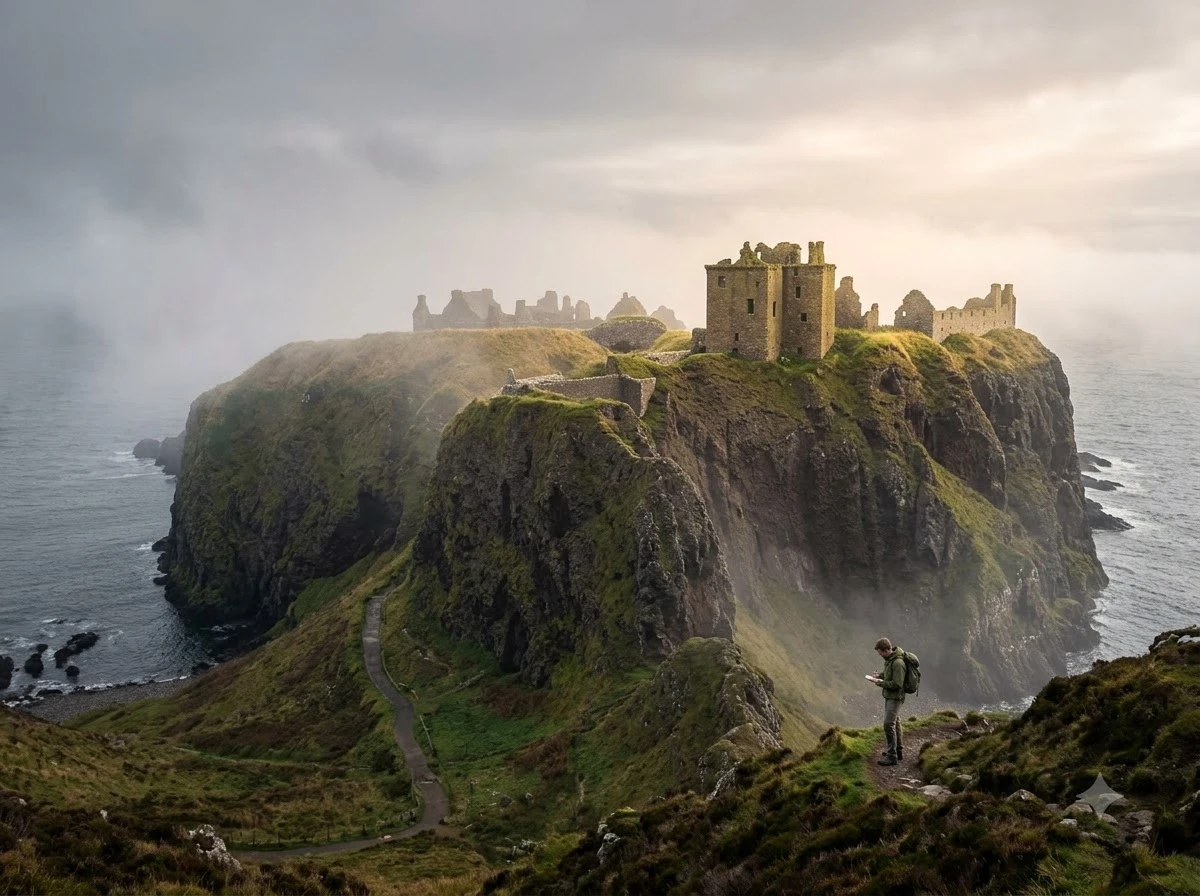
The Dual Story Inside the Glen
The novel opens in 1964 London. Australian writer Emma Callander, stuck after one published book, is hired to finish the final historical mystery of celebrated author Iris Blackburn, whose memory is failing. Iris insists only Emma can complete the tale of a murder on the Isle of Skye. Research on the island reveals the manuscript is not invention. It records a true unsolved crime from 1904: a couple’s suspicious drowning and the disappearance of a young woman locals called the Wild Girl. Descendants of an aristocratic family still guard the secret. Emma works with Iris’s lawyer Tony Gordon amid misty Highlands and a medieval castle. One final twist catches even Emma off guard.
Lake Union Publishing released the 429-page hardcover and ebook. Early Goodreads ratings sit at 4.22 from dozens of reviews that praise the atmospheric Skye sections and the story-within-a-story structure. Some note a deliberate slow start that accelerates once the island mystery takes hold.
The official synopsis of the novel on Bowen’s site matches the dual-era romance-and-mystery promise exactly.
The mountains and mist play a part in this new story in which a young writer is commissioned to finish a book for an elderly writer with dementia, only to find what was supposed to be fiction is a true story and somehow involves this writer.
Bowen wrote those lines herself in the essay, tying her climbing past directly to the plot engine.
How Tartan Noir Found Its Voice
Bowen calls Ian Rankin the father of Tartan Noir for the whisky-drinking loner Rebus, mostly in Edinburgh. Val McDermid is the mother, with gritty dramas that reached television as Wire in the Blood and the Karen Pirie series. William McIlvanney’s Laidlaw novels in the late 1970s supplied the working-class Glasgow template that freed Scottish crime from Sir Walter Scott’s romantic tartan myth. McDermid has written that Laidlaw let readers hear vernacular lives and see a Scotland that was not a confection.
The label now covers a range. Below is the cast Bowen herself names, with their core settings and tones.
| Author | Key Series or Work | Primary Setting | Tone |
|---|---|---|---|
| Ian Rankin | Rebus | Edinburgh | Gritty, procedural |
| Val McDermid | Wire in the Blood / Karen Pirie | Scottish cities | Gritty, psychological |
| Alexander McCall Smith | Sunday Philosophy Club | Edinburgh | Cozy, philosophical |
| Catriona McPherson | Dandy Gilver | Perthshire post-WWI | Lighter upper-class, some darker standalones |
| M.C. Beaton | Hamish Macbeth | Highland village | Charmingly cozy |
| Ann Cleeves | Shetland | Shetland and Fair Isle | Edgy sense of place |
That list alone shows the genre never stayed locked in pure noir. Readers can move from Rankin’s mean streets to Beaton’s hapless village constable without leaving Scotland.
The same breadth appears in Dundee’s gritty crime fiction scene, which has built its own literary map in recent years.
Cozy Edges Beside the Grit
Bowen does not claim her novel is pure Tartan Noir. She places it among the stories that use Scotland’s atmosphere for suspense while keeping room for romance and personal discovery. The 1960s ghostwriting frame and the 1904 island mystery give her two registers at once.
Scotland’s landscape elements that she and others recycle still work because they are concrete:
- Bleak mountains and swirling mist that hide paths and people
- Lochs deep enough for legends and bodies
- History of battles, flight and massacre that supplies ready motives
- Contrast between genteel historic Edinburgh and industrial Glasgow
- Island isolation that turns every stranger into a suspect
Those ingredients appear in both the darkest procedurals and the lightest village mysteries. The hybrid form is not a dilution. It is how the setting stays productive.
A Rebus stage adaptation still drawing crowds proves the Rankin end of the spectrum continues to travel well beyond the page.
Skye’s Mountains as Active Player
Bowen chose Skye because she once climbed its craggy peaks in mist. The island is not backdrop. In the novel the mountains and weather shape what Emma can learn and how the old crime stays buried. Isolation, weather and local knowledge become plot mechanics.
Other writers have used the Hebrides and northern isles the same way. Ann Cleeves made Shetland a character. Skye already hosts its own contemporary crime series. Bowen’s contribution is the dual timeline that lets 1904 secrets collide with 1960s publishing and personal reinvention.
Early readers on Goodreads keep returning to the same point: after the book you feel you have stood on the island even if you never have. That is the sleeper power of the setting. It recruits visitors as effectively as it recruits readers.
What the Setting Quietly Sells
Scottish crime fiction now carries a visible cultural export role. Scotland’s own Tartan Noir tourism primer on the national site links the books directly to travel interest. The annual Bloody Scotland gathering in Stirling keeps the conversation live; the 2026 edition runs 18-20 September and bills itself as the country’s international crime writing festival.
Bowen’s essay and novel arrive inside that larger machine. A bestselling author who waited decades to write a full Scottish book still finds unused corners on Skye. The dual structure lets her serve both historical-mystery fans and readers who want contemporary stakes. The landscape does the rest.
Publishers and festivals treat the Scotland setting as reliable. Readers treat it as transport. Local places gain the residual glow of stories that make mists and castles feel like active participants rather than scenery. That quiet transaction is the part the genre lists often skip.
Bowen closes her essay hoping readers will love the Island of Skye as she did. The early ratings and the long shelf of earlier Tartan Noir titles suggest they will. The mountains are still free for the next writer who once climbed them.
Frequently Asked Questions
What is The Castle in the Glen about?
It follows Australian writer Emma Callander in 1964 as she ghostwrites the final novel of dementia-stricken author Iris Blackburn, only to discover the Skye murder plot is a real unsolved 1904 case involving a drowned couple, a vanished “Wild Girl,” and an aristocratic family still protecting secrets; a second timeline and a romance with Iris’s lawyer deepen the stakes.
Who is Rhys Bowen and how many books has she written?
Rhys Bowen is a New York Times bestselling mystery author of more than sixty novels, including the Royal Spyness and Molly Murphy series plus multiple award-winning historical standalones such as In Farleigh Field; she divides time between California and Arizona and has won multiple Agatha, Anthony and Macavity awards.
What is Tartan Noir?
Tartan Noir is the label for Scottish crime fiction that ranges from gritty urban procedurals to atmospheric island mysteries, rooted in William McIlvanney’s Laidlaw novels and popularized by Ian Rankin and Val McDermid; it often features vernacular voices, moral complexity and a strong sense of place rather than pure golden-age puzzles.
Why did Rhys Bowen set the new book on the Isle of Skye?
She had climbed the island’s bleak craggy mountains in swirling mist years earlier and felt the landscape itself demanded a story; the mountains and weather become active plot forces in both the 1904 and 1960s strands.
When was The Castle in the Glen published and by whom?
Lake Union Publishing released the novel on August 4, 2026 in hardcover, ebook and audiobook editions running roughly 424-429 pages.
 SEBI CAS Forces Options Traders to Recalibrate Closing Risk
  Sensex Drops 400 Points as Oil Spike Tests Market Resilience
  Ardee Industries IPO Rides Lead Recycling Boom at Discount
  Gold Nears 4300 but Iran Risks Cap Gains Ahead of NFP
  Scotland Construction Stalls as Skills and Tariffs Blunt Infra Gains
  Lok Sabha Bill Opens UPI Charges Path for Banks Over Merchants