
 Dayna Bass
 Scotland could become a testing ground for revolutionary electric aviation as industry leaders unveil ambitious plans to launch commercial flights across the Highlands and Islands. The move marks a significant shift in how remote communities might connect in the coming years.
Bristow and BETA Join Forces on Green Aviation
Bristow Helicopters has partnered with BETA Technologies to bring the ALIA electric aircraft into service across Scotland’s most challenging routes. The collaboration targets Aberdeen and the Highlands and Islands as prime locations for proving the technology works in real-world conditions.
Simon Meakins from Bristow confirmed the company has invested five years into the project. He emphasized that the push toward electric aviation extends beyond environmental concerns.
“To be able to use electricity rather than burning fossil fuels has carbon advantages but also there is a significant cost variation,” Meakins explained during the aircraft’s Aberdeen stopover this week.
The economic case stands strong. Charging an electric aircraft costs significantly less than filling traditional planes with aviation fuel, creating compelling financial incentives for operators serving Scotland’s scattered island communities.
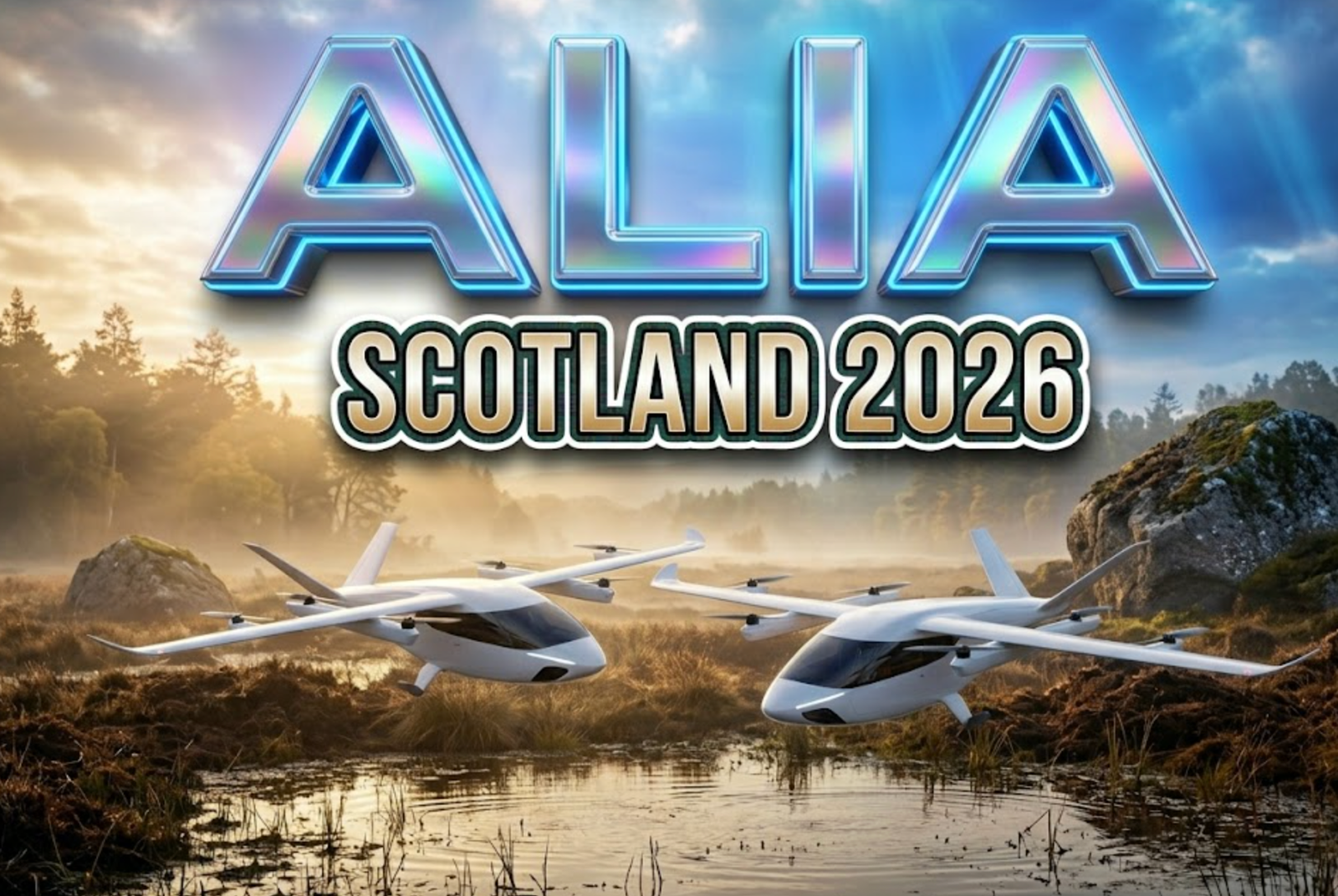
ALIA Takes Scottish Tour as Proof of Concept
The white ALIA aircraft has been making rounds across Scotland, touching down in Aberdeen, Dundee, Kirkwall, and Glasgow. The tour serves a dual purpose of showcasing the technology and gauging operational feasibility in Scottish conditions.
Pilot Brian Jenkins, who has been flying the demonstration aircraft, described the experience as transformative. His confidence in the technology stems from extensive testing data and flight hours already logged.
The aircraft specifications reveal both promise and limitations:
- Useable range of approximately 100 miles
- Conventional takeoff and landing configuration requiring runways
- Significantly lower operating costs than fuel-powered alternatives
- Enhanced reliability metrics compared to traditional aircraft
Royal Mail and regional carrier Loganair have joined testing initiatives, exploring how electric planes might reshape cargo and passenger operations across Scotland’s geography.
Oil and Gas Industry Eyes Electric Future
Aberdeen’s position as an energy hub makes it a natural testing ground for aviation innovation. Bristow, which provides offshore helicopter services to the oil and gas sector, sees potential for electric aircraft in industrial applications.
The company is tracking development of a vertical takeoff and landing version of the ALIA. This variant could complement or eventually replace traditional helicopters serving offshore platforms, cutting costs while reducing carbon footprints.
Meakins stated they are pursuing the technology “in a pragmatic and staged manner” with passenger flights as the eventual goal.
The timeline appears aggressive but achievable. Bristow expects to bring electric planes into Scottish service within the next couple of years, with flights potentially beginning “very soon” according to company statements.
Overcoming Range Anxiety in Scottish Skies
The 100-mile range initially seems restrictive for a region as geographically spread as Scotland. However, many inter-island routes and mainland-to-island connections fall comfortably within this threshold.
Routes between Orkney islands, connections from Aberdeen to nearby destinations, and Glasgow to Highlands flights could all operate on current battery technology. The key lies in strategic route planning and charging infrastructure development at regional airports.
Jenkins addressed concerns about new technology adoption head-on. He pointed to safety data showing electric propulsion systems offer greater reliability than combustion engines, with fewer moving parts and reduced maintenance requirements.
Scotland’s renewable energy abundance creates natural synergy with electric aviation. Wind and hydro power already dominate the grid in many areas where these planes would operate, making the entire transport chain potentially carbon-neutral.
What This Means for Remote Communities
For islanders and Highland residents, electric aviation could transform connectivity. Lower operating costs might make routes economically viable that currently struggle to attract service. More frequent flights at lower ticket prices could follow if the economics prove out as projected.
The staged rollout approach suggests initial services will focus on cargo and essential transport before expanding to regular passenger operations. This builds operational experience while managing risk and regulatory approval processes.
As Scotland pushes toward its net-zero commitments, electric aviation offers a pathway to decarbonize transport in regions where surface alternatives remain limited. The next two years will prove whether battery technology has truly reached the point where electric flight becomes practical for everyday commercial use.
The ALIA’s Scottish tour represents more than just a technology demonstration. It signals a serious industry commitment to making electric aviation work in one of Europe’s most challenging operating environments, where weather, distance, and geography have always demanded the most from aircraft and pilots alike.
What are your thoughts on electric planes serving Scottish routes? Share your opinions in the comments below and let us know if you would fly on an electric aircraft.
 ONGC licence frees Venezuela cash and operatorship talks
  Anthropic Hits $65 Billion Run Rate and Flips the AI Cash Test
  Supreme Court grounds the fare free-for-all with three-week clock
  Gold Nears $4400 as Soft Data Meets Oil Inflation Risk
  Nifty Slips as Zaggle Circuits and Dhoot Debuts Big
  Diesel Crack Tops $100 as Iran Rhetoric Lifts Crude