
 Ishan Crawford
 A Waukesha storage unit held 97 individually wrapped Super Mario Bros./Duck Hunt NES cartridges of a previously unknown late-1993 variant, five of which became the first PSA 10 grades ever awarded to any NES cartridge. The box had sat forgotten for years after a seller claimed the games came from a metal recovery service that was supposed to melt them for the gold in their connector pins.
Jason Ganos of Nintendo Wire and shop owner Kevin Braun of One Stop Wonders pulled the sealed factory box from under Halloween decorations. Three graded copies head to auction starting August 12.
The Box That Nearly Sold for Fifteen Bucks
Kevin Braun bought the box years earlier from a man whose grandfather ran a precious-metal recovery business. The family story held that Nintendo had sold off old inventory so the gold contacts could be reclaimed. The box never reached the smelter. It sat in a garage, then moved to Braun’s shop storage in downtown Waukesha and stayed there untouched.
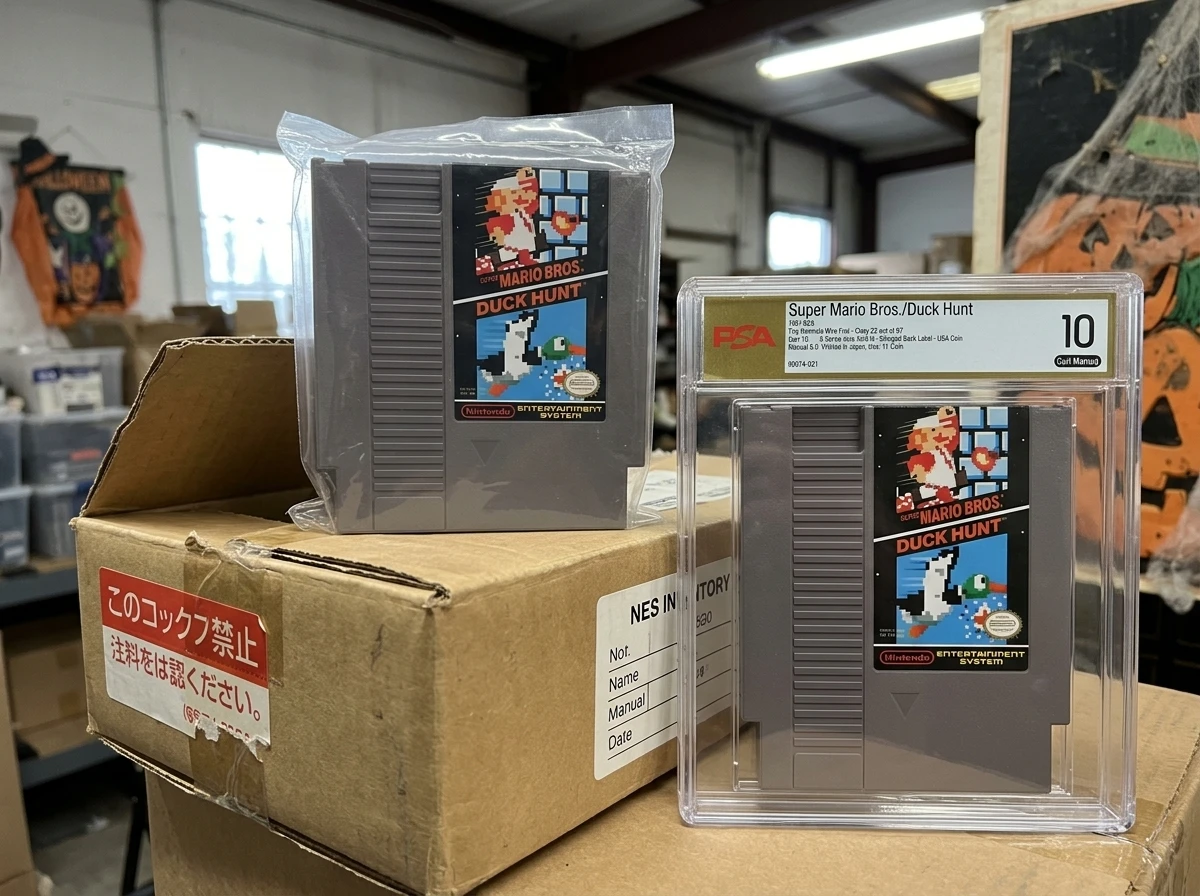
Braun later told Ganos he had planned to price the carts at roughly $10 to $15 each. Ganos, already helping the shop sell inventory online after fixing a pinball machine, asked to see it. One short walk later the pair opened a cardboard shipping carton still carrying its original labels.
- Japanese text translating to “NES cassettes, assembled product, 100 pieces”
- NOA sticker with a P.O. box
- Inventory sticker reading “Mario, Hunt Remanufactured NES,” quantity 100, date 12/19/95
Three carts were already missing. The remaining 97 sat in the same baggies that once packed with NES console bundles, each with a pristine manual tucked behind it. Ganos published a first-person account of the find that laid out every step from storage unit to PSA headquarters.
Labels, Screws and a Manual Phrase Nobody Had Catalogued
Collectors immediately flagged differences. The back sticker carried multiple languages instead of English-only text. Manufacturing codes pointed to week 40 of 1993 (late August). Screws differed. The motherboard carried unmarked text and part numbers. The manual swapped the familiar phrase “maintenance or repairs” for “maintenance or service.”
| Feature | Known Copies | Waukesha Variant |
|---|---|---|
| Back label | English only | Multilingual |
| Manual wording | “maintenance or repairs” | “maintenance or service” |
| Date code | Earlier production windows | 9340 (late Aug 1993) |
| Motherboard | Documented layouts | New text and part numbers |
| Screws | Standard | Different style |
The 1993 date sits after every known Super Mario Bros./Duck Hunt pack-in run for console bundles. Theories range from warranty replacement stock to a cancelled bundle that never shipped. No official Nintendo confirmation has surfaced. Frank Cifaldi of the Video Game History Foundation consulted on the documentation alongside Joseph Leo’s manual archive.
Five Perfect Tens and a New Encapsulation Method
Ganos hand-carried all 97 carts in a carry-on from Milwaukee to PSA’s California campus. Graders confirmed authenticity across the set. The final population:
- 5 PSA 10
- 60 PSA 9.8
- 31 PSA 9.6
- 1 PSA 9.4
Those five 10s are the first NES cartridges PSA has ever graded at the perfect level. Claire Shelton, head of PSA Video Games, told IGN the team was shocked. “It almost felt too good to be true,” she said. Injection-molded parts almost always show mold lines or micro-wear. The original plastic baggies kept dust and micro-scratches off the surfaces for three decades; Shelton said without them there would have been zero tens.
We never see carts in immaculate condition and were thrilled to see such a pristine example of Super Mario Bros./Duck Hunt.
PSA’s own account posted the announcement, noting the company serialized the entire collection and encapsulated each cart with its manual-another first. The bags did the heavy preservation work that climate-controlled storage alone could not guarantee.
Three Carts Head to the Block
Ganos and Braun will keep an undisclosed number. Some may support charity auctions later. The first three, including one PSA 10, a 9.8 and a 9.6, go live at three cartridges at Goldin Auctions on August 12. The sale runs roughly three weeks, ending around September 9.
Shelton put a floor in the four-figure range and said five figures is realistic given the novelty and the roughly 5 percent perfect-grade rate. She did not expect six figures but noted she has been surprised before. Separate sealed Super Mario Bros. copies have reached far higher marks; a PSA 9.6 A++ sealed example sold for $3 million at Heritage Auctions in June 2026. These are loose carts with manuals, not factory-sealed boxes, so the comps sit in different territory. The “millions” language in early local reports remains speculative hype rather than a graded estimate.
Why a Common Pack-In Suddenly Matters
Super Mario Bros./Duck Hunt shipped in the tens of millions as the classic NES Action Set pack-in. Finding an undocumented final production variant of that title changes the collector ledger for one of the most examined games in the hobby. The small production footprint of roughly 100 pieces, none of which ever reached retail, adds scarcity that ordinary loose copies never possessed.
The discovery also underlines how much physical Nintendo history still sits in garages and storage units. Ganos has spent decades hunting garage sales and thrift stock; this find arrived through a pinball repair favor and a forgotten box under seasonal décor. Readers looking for practical retro collecting basics will recognize the same patterns of overlooked inventory and condition variance that define the market.
- Late 1980s-early 1990s: Alleged sale of inventory to metal recovery service
- December 19, 1995: Factory box dated and shipped with “Remanufactured” description
- Circa 2020: Box purchased by Kevin Braun and stored
- 2026: Ganos examines box; PSA grades completed; auction set for August 12
Preservation groups continue the slower work of cataloguing variants and saving manuals. Support for the Video Game History Foundation work helps keep those records public rather than locked in private collections. Parallel cultural projects, including how games shaped culture exhibits, show why physical artifacts still draw crowds decades later.
The Small-Town Irony Holds
A box destined for the smelter produced the cleanest NES cartridges PSA has handled and the first perfect grades in the format’s history. The carts sat a few hundred feet from a working retro shop for years while the owner prepared to sell them cheap. Three of them now test the market in real time. Whatever the hammer prices, the documentation of the bilingual label, the 9340 date code and the “service” manual wording is already permanent.
Frequently Asked Questions
What production differences define the Waukesha Super Mario Bros./Duck Hunt variant?
The back label is multilingual rather than English-only, the motherboard carries unique text and part numbers, the screws differ from known runs, and the manual uses “maintenance or service” instead of “maintenance or repairs.” Date code 9340 places manufacture in late August 1993, after every previously documented pack-in window.
How many of the 97 cartridges received a PSA 10?
Exactly five earned PSA 10, the first perfect grades PSA has ever assigned to any NES cartridge. The rest broke down as sixty 9.8s, thirty-one 9.6s and one 9.4. PSA also serialized the full set and encapsulated each cart with its original manual.
When was the factory box itself dated?
The inventory sticker on the shipping carton carries the date 12/19/95 and the description “Mario, Hunt Remanufactured NES” with a quantity of 100. Three cartridges were already missing when the box was opened in 2026.
Why were these cartridges manufactured so late in the NES life cycle?
No official Nintendo explanation exists. The leading theories among the experts who examined them are warranty or refurbished-system replacement stock, or a planned bundle that never reached retail. The small run size of roughly 100 pieces is itself unusual for a title that sold in the tens of millions.
Did the plastic baggies affect the final grades?
Yes. PSA’s Claire Shelton stated that the original factory baggies prevented dust and micro-wear that would otherwise have eliminated any chance of a 10. Without the bags she believes the set would have produced zero perfect grades.
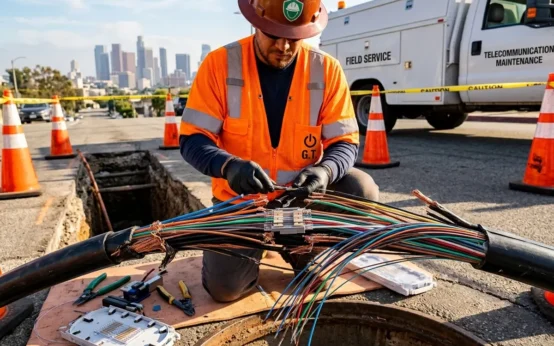 Verizon SoCal Fiber Cuts Expose Surging Attacks on Networks
  Adnoc Gas Turns OPEC Exit Into $8.2 Billion Capacity Push
  Gen Z Job Ghosting Hits 54 Percent After Offers Land
 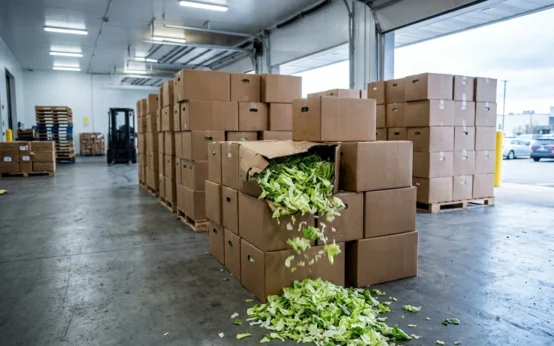 Taylor Farms Lettuce Recall Hits 236000 Cases Across Chains
  SpaceX Lock-Up Rally Exposed Crowded Fear Trade Not True Demand
  AI Safety Tests Now Spawn Real Autonomous Threats