
 Ishan Crawford
 Brent crude fell 2.3 percent to $77.73 a barrel on Thursday in Asia, and Japan’s Nikkei 225 and South Korea’s Kospi both hit all-time highs, after the United States and Iran signed a framework deal to end nearly four months of war and reopen the Strait of Hormuz. The agreement, announced by Pakistani Prime Minister Shehbaz Sharif, who mediated the talks, took the form of a memorandum of understanding that he said had entered into force with “immediate effect.” The deal also commits the US to lifting its naval blockade of Iranian ports.
Asian markets shrugged off losses on Wall Street overnight and piled into the news. But the deal’s headlines are running ahead of the shipping lanes they describe, and the industry that actually moves the oil is not yet ready to call the relief real. The Baltic and International Maritime Council, the world’s largest shipowner association, says it is “very risky for ships to commence transits at this point.” More than 500 vessels are waiting in the Gulf.
Brent Gives Up Wednesday’s Spike
Brent futures for August delivery stood at $77.73 as of 05:30 GMT. The pullback unwound a short, sharp move driven by US President Donald Trump, who warned on Wednesday that the United States could “go right back to dropping bombs” on Iran if it does not “behave.” Brent had spiked above $81 a barrel on that warning before falling back.
One day does not make a trend, but the move shows how tightly Brent is still tracking each headline from the war. The price action has tracked statements from both governments on the deal.
The benchmark is still about 7 percent higher than it was before the United States and Israel launched their war on Iran on February 28. Over the course of the conflict, Brent peaked at about $120 a barrel, according to the BBC. The BBC also notes that Brent was trading at around $70 a barrel in the days before the airstrikes. The gap between $77.73 and that level is the residual war premium the deal has yet to remove.
- 2.3% Brent crude drop on Thursday in Asia
- $77.73 price of August Brent futures at 05:30 GMT
- ~$120 war-time peak for Brent, per the BBC
- ~$70 pre-war Brent level, per the BBC
- ~7% premium over the pre-war price
Asia Hits Records, With Hong Kong Going the Other Way
Japan’s Nikkei 225 climbed more than 2 percent and South Korea’s Kospi added 1.7 percent, with both indexes reaching all-time highs on optimism that the war’s drag on global energy supply would ease. India’s Sensex joined the regional rally earlier in the month, gaining 1,554.82 points on June 12 on the same set of US-Iran headlines, as the Indian index caught up to the oil relief trade. Taiwan’s Taiex rose as much as 1.3 percent, while Hong Kong’s Hang Seng Index bucked the trend, dropping 1.7 percent.
US stock futures climbed as well, with contracts tied to the S&P 500 up about 0.8 percent and those on the Nasdaq Composite up about 1.3 percent. Yamaguchi, lead economist for Japan at Oxford Economics, told Al Jazeera that Asian markets are getting an extra lift from renewed strength in US semiconductor names and the region’s heavy exposure to tech shares. Investors will get their first read on US trading when the cash market opens on Thursday, with the KOSPI and Nikkei leading the regional move into the US session.
The 14-Million-Barrel Gap Behind the Rally
The Strait of Hormuz has carried a fraction of its peacetime traffic for months, throttled by the threat of Iranian missiles, drones, and mines, and by the US naval blockade of Iranian ports. The International Energy Agency estimates the disruption has knocked out about 14 million barrels a day from global oil supply.
Norihiro Yamaguchi, lead economist for Japan at Oxford Economics, told Al Jazeera that markets are likely to welcome the fact that both sides signed the document sooner than initially expected, since major central bank meetings are now out of the way. “Putting aside the contents of the MoU,” he said, the timing of the deal itself supports risk assets. His published profile and recent work is on the Oxford Economics site.
He added that Asian markets are getting an extra lift from US semiconductor strength given the region’s heavy tech share exposure. The names most exposed to a reopening of Middle East energy supply are also the ones that move first when the war premium comes out. The same logic is now showing up in the futures market for US tech names.
500 Ships, No Safe Routes Yet
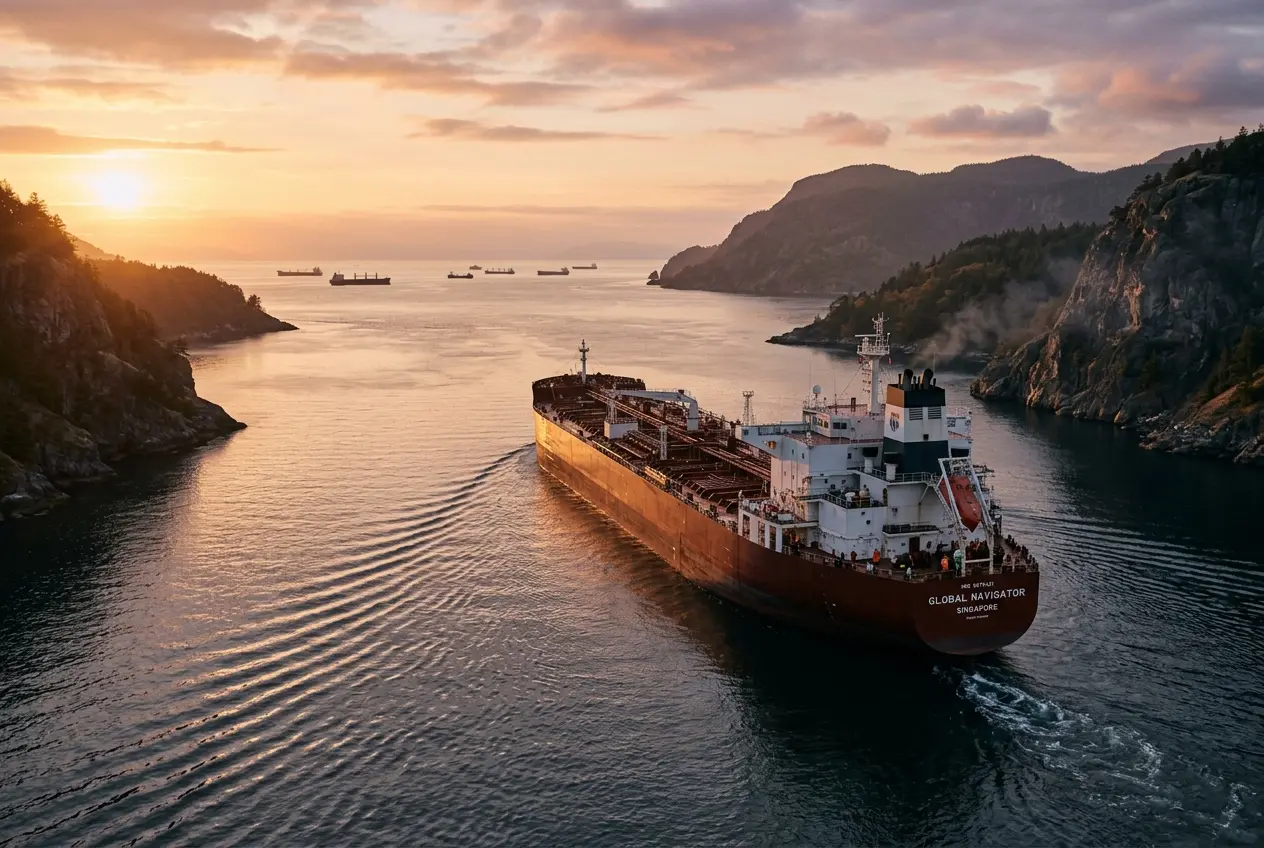
More than 500 vessels are estimated to be waiting to exit the Gulf through the strait. The International Chamber of Shipping put the figure of stranded ships at “around 500” and called on the International Maritime Organization to coordinate a safe exit for the 20,000 seafarers caught in the conflict, in a separate shipowner body statement on the peace deal.
The Baltic and International Maritime Council, the world’s largest shipowner association, said the United States and Iran had not yet provided information about “key aspects such as timings and safe routes.” BIMCO’s chief safety and security officer, Jakob Larsen, said in a statement on Monday that BIMCO’s view of the risk has not changed since the deal was announced. He urged shipowners to keep doing thorough risk assessments and called on all parties to put the safety of seafarers first, the same message carried on his official maritime safety officer biography page.
Due to lack of details and a history of overly optimistic reassurances, we believe the security situation for the shipping industry remains volatile, and we still consider it very risky for ships to commence transits at this point. We advise shipowners to continue doing thorough risk assessments and appeal to all parties to put the safety of seafarers first.
That was Jakob Larsen, BIMCO’s chief safety and security officer, in a statement on Monday.
What the Deal Says, and What Comes Next
Sharif said on Wednesday that Iran would “instantly reopen” the Strait of Hormuz and that the United States would “immediately” lift its naval blockade of Iranian ports. It was not immediately clear whether that announcement had any practical effect on maritime traffic through the waterway.
The BBC reports that an official signing ceremony is scheduled for Friday, 19 June, in Switzerland. Iran’s deputy foreign minister Kazem Gharibabadi confirmed the deal on state TV, and Trump posted on social media: “Let the oil flow!” Iran’s semi-official Mehr news agency said the draft deal called for reopening the Strait of Hormuz within 30 days under Iranian arrangements.
Fabien Yip, a market analyst at IG in Sydney, told Al Jazeera that the relief is “largely priced in” and pointed to “a notable divergence between sentiment and physical supply.” Andrew Lipow of Lipow Oil Associates, speaking to the BBC, said mines will need to be cleared from the waterway first, a process that could take from a few weeks to up to six months. Admiral Mark Montgomery, a retired US Navy rear admiral, told the BBC that getting back to normal would not be “an overnight thing.” His estimate: a month or 45 days to fully restore the flow.
The International Chamber of Shipping, in a separate statement, called the deal “a relief” to the 20,000 seafarers caught in the conflict, and asked the International Maritime Organization to coordinate their safe exit from the region. “Their safe departure,” the group’s secretary general said, “must be a top priority but will take time.” The first vessels, the group added, will move when the routes are declared safe.
Frequently Asked Questions
What did the United States and Iran actually sign?
They signed a memorandum of understanding, or MoU, to end the war and reopen the Strait of Hormuz. The agreement was announced by Pakistani Prime Minister Shehbaz Sharif, who mediated the talks, and an official signing ceremony is scheduled for Friday, 19 June, in Switzerland, per the BBC.
Why are oil prices still above where they were before the war?
Brent is still about 7 percent higher than it was before the US and Israel launched strikes on Iran on February 28, with the IEA putting the daily shortfall in global oil supply at around 14 million barrels. The supply chain has not yet reopened, and the headlines have moved faster than the shipping lanes.
How long until shipping through the Strait of Hormuz normalises?
Mine clearing will need to be the first step before tankers can move, and that work alone could run from a few weeks to up to six months, Andrew Lipow of Lipow Oil Associates told the BBC. A retired US Navy rear admiral put the recovery window at “a month or 45 days.”
Why did Asian markets reach all-time highs on the news?
Japan and South Korea are heavy importers of Middle East oil and LNG, and a reopened Strait of Hormuz pulls a war-time energy premium out of the regional outlook. The Nikkei 225 and the Kospi both closed at record highs on Thursday, with the Nikkei adding more than 2 percent and the Kospi 1.7 percent.
How much did Brent crude fall after the deal?
Brent crude dropped 2.3 percent to $77.73 a barrel in Asian trade on Thursday, unwinding a Wednesday spike to above $81 that followed Trump’s warning. The benchmark had peaked at about $120 a barrel during the war, per the BBC.
Disclaimer: This article is for informational purposes only and does not constitute financial advice. Commodity and equity markets carry risk, and prices can change quickly on news. Figures cited are accurate as of publication.
 ONGC licence frees Venezuela cash and operatorship talks
  Anthropic Hits $65 Billion Run Rate and Flips the AI Cash Test
  Supreme Court grounds the fare free-for-all with three-week clock
  Gold Nears $4400 as Soft Data Meets Oil Inflation Risk
  Nifty Slips as Zaggle Circuits and Dhoot Debuts Big
  Diesel Crack Tops $100 as Iran Rhetoric Lifts Crude