
The UK faces harsh winter conditions as amber cold health alerts remain in place across all regions until January 11, 2026. Issued by the UK Health Security Agency and the Met Office, these alerts warn of severe impacts on health services, with rising risks for the elderly, young children, and people with ongoing health issues amid snow, ice, and freezing temperatures.
This cold snap, fueled by Storm Goretti, has brought heavy snow and strong winds, leading to travel chaos and power cuts in parts of Scotland and northern England. Officials predict higher death rates among vulnerable groups as temperatures drop below zero, putting extra strain on the National Health Service.
Current Cold Health Alerts Explained
Cold health alerts form part of a system run by the UK Health Security Agency and the Met Office to protect people during extreme weather. These alerts run from November 1 to March 30 each year and aim to cut down on illnesses and deaths linked to cold spells.
The amber level means cold weather will likely hit health and social care services hard for a long time. This includes more hospital visits and pressure on doctors. Alerts get sent straight to health workers, government teams, and the public to help everyone prepare.
In recent days, the amber alert has spread to every part of England, with similar warnings in Scotland, Wales, and Northern Ireland. This follows a yellow alert that started late last year, but things turned worse with the new year.
Experts say this system has saved lives in past winters by giving early warnings. For example, during a big freeze in 2023, alerts helped reduce emergency calls by focusing on at-risk groups.
Severe Weather Impacts Across the UK
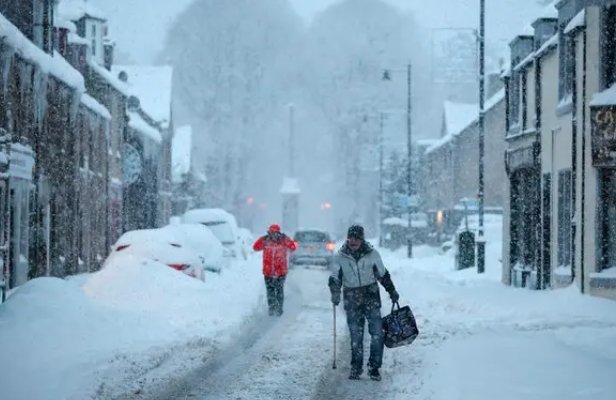
The cold wave has caused major disruptions, with up to 30 centimeters of snow in northern Scotland and ice covering roads nationwide. Storm Goretti, the first named storm of 2026, hit hard with winds over 70 miles per hour, leading to flight cancellations and school closures.
Travel warnings stay in effect, with the Met Office predicting snow and ice until at least mid January. This has already led to power outages in rural areas, making it tough for people to stay warm.
Health services feel the strain too. Hospitals report more cases of hypothermia, falls from slips on ice, and breathing problems made worse by the cold. Data from past winters shows cold snaps can boost heart attacks and strokes by up to 20 percent in older adults.
On top of that, recent cuts to winter fuel payments have sparked worry. Many pensioners now face hard choices about heating their homes, which could add to health risks this season.
| Region | Alert Level | Expected Impacts |
|---|---|---|
| England (All) | Amber | High strain on NHS, increased deaths in over 65s |
| Scotland | Amber Snow and Ice | Travel delays, power cuts, up to 30cm snow |
| Wales | Yellow to Amber | Ice risks, higher hospital admissions |
| Northern Ireland | Amber Wind and Snow | Strong winds, school closures |
Who Faces the Biggest Risks?
People over 65 stand out as most at risk, with cold weather raising chances of heart issues, strokes, and respiratory problems. Studies show death rates can jump by 10 to 25 percent in this group during severe cold.
Young children under five also suffer, as their bodies lose heat faster. Parents should watch for signs like shivering or tiredness.
Those with long term conditions, such as asthma or diabetes, need extra care. Cold air can trigger attacks or make blood sugar harder to control.
Other groups include homeless people and those in poorly insulated homes. Recent reports highlight how fuel poverty affects millions, linking it to thousands of extra winter deaths each year.
Practical Guidance to Stay Safe
Health experts urge simple steps to beat the cold. Keep homes at least 18 degrees Celsius, especially bedrooms, to avoid health dips.
Wear layers, eat hot meals, and drink warm fluids. Check on neighbors, particularly the elderly or those living alone.
For outdoor time, use sturdy shoes to prevent slips on ice. If driving, pack blankets and a phone charger in case of breakdowns.
Here are key tips from health agencies:
- Seal drafts around doors and windows to keep heat in.
- Get flu shots if eligible, as cold boosts virus spread.
- Use community warm hubs if heating costs are too high.
- Watch for hypothermia signs like confusion or slow breathing.
Staying active indoors helps circulation without risking falls outside.
Weather Outlook and Future Warnings
Forecasters expect the cold to linger into late January, with more snow possible in the north. Storm Goretti may ease soon, but Arctic air keeps temperatures low.
Climate trends show UK winters getting more unpredictable, with experts linking this to broader changes. Last year’s mild winter contrasts sharply with this one, raising questions about preparation.
Government plans include boosting energy support, but critics say more aid is needed for vulnerable homes.
As this cold spell continues, share your experiences in the comments below or on social media. How has the weather affected you? Your stories could help others stay safe and push for better support.