
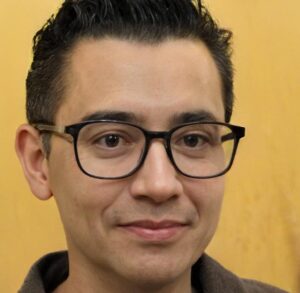
 Chris Muir
 A fierce row has broken out at Holyrood after Q Manivannan, the newly elected Scottish Green MSP, won a seat while holding only a student visa that runs out later this year. The Indian-born politician now faces calls for a Home Office probe, fury from rival parties, and tough questions over whether they can lawfully serve a full five-year term.
Who Is Q Manivannan and Why Is Holyrood in Uproar?
Q Manivannan, originally from Tamil Nadu in India, was elected on the Edinburgh and Lothians East regional list in the 2026 Scottish Parliament election.
They moved to Scotland in September 2021 to study for a doctorate in international relations at the University of St Andrews, funded by an ESRC research grant.
The 30 year old uses they/them pronouns and identifies as non-binary. Alongside Glasgow’s Iris Duane, they become one of the first two openly transgender MSPs ever elected to Holyrood.
Before politics, Manivannan worked as a community organiser, adviser and teacher with the United Nations, trade unions and human rights groups. They were placed third on the Green party list for the region.
In their victory speech, the new MSP declared: “My name is Dr Q Manivannan, I am a transgender Tamil immigrant, my pronouns are they/them. This is what diversity looks like in power.”

The 2024 Rule Change That Opened the Door
Until recently, foreign nationals could only stand for Holyrood if they had indefinite leave to remain in the UK.
In 2024, every MSP in the Scottish Parliament unanimously voted to extend candidacy rights to non-UK citizens with limited leave to remain. That single vote made Manivannan’s bid possible as a Commonwealth citizen.
The Greens have repeatedly stressed that Manivannan is on a valid visa with the right to work and live in Scotland.
Here is a quick snapshot of where the new MSP stands on paper:
- Currently on a student visa that expires later this year
- Has applied for a graduate visa, which would allow three more years in the UK
- Also applied for a global talent visa, covering up to five years
- Passed their PhD and viva, meaning they can now work full time
- Crowdfunded around £2,089 from supporters to pay for the graduate visa
- Stands to earn a taxpayer-funded salary of about £77,711 a year
Critics Pile In and Demand a Home Office Probe
The Scottish Conservatives have led the political backlash, accusing Manivannan of breaching strict student visa rules.
Stephen Kerr MSP wrote directly to Home Secretary Shabana Mahmood, urging her to investigate. He said he was “almost certain” the new MSP had already broken the 20-hour weekly work limit during the election campaign.
Reform UK Scotland deputy leader Thomas Kerr branded the Greens’ decision to select Manivannan “madness” and called for the party to withdraw the candidacy.
Former SNP Westminster leader Ian Blackford also joined the attack. He told The Times that picking a candidate on a temporary visa “undermines trust in politics”.
However, immigration experts have pushed back firmly on several of the legal claims.
| Claim made by critics | What the rules actually say |
|---|---|
| The 20-hour work limit applies to MSP duties | Elected office is not classed as employment under Home Office immigration rules |
| Manivannan cannot hire parliamentary staff | The current visa arrangement does allow hiring of MSP staff |
| A graduate visa refusal is likely | Over 99% of graduate applications were approved in the year to March 2024 |
Rachel Turner, an immigration caseworker with the Immigration Advice Service in Aberdeen, said it was “fairly common” for students to move onto a graduate visa. She added that the Home Office usually replies within about eight weeks.
What Happens If the Home Office Says No?
This is where the situation turns deadly serious for the new parliamentarian.
Early reports suggested Manivannan could finish their term from overseas by joining proceedings remotely. That theory has now been demolished.
Under the Scotland Act, a sitting MSP must hold leave to remain in the UK to keep their seat.
If Manivannan fails to secure a new visa, they will be disqualified from parliament and replaced by the next candidate on the Greens’ Edinburgh and Lothians East list, with no by-election required.
The Home Office has also confirmed that simply holding office as an MSP cannot, by itself, qualify someone for a global talent visa. That premium route is reserved for top performers in science, digital technology, and arts and culture.
Greens Stand Firm as Online Hate Spills Over
Scottish Greens co-leader Gillian Mackay told the BBC’s Sunday Show she did not believe a visa renewal would be refused. The party has vowed to support Manivannan through every step of the process.
Co-leader Ross Greer has gone further, accusing opponents of “disgusting” and “nasty” attacks on the new MSP. Manivannan has also been hit by a wave of racist and transphobic abuse online since polling day.
“I am proud of my heritage and who I am. I am also proud to be a voice for all my constituents, including migrants and people on visas who are often shut out of our national debate,” Manivannan said in a statement.
The MSP has so far refused to answer reporters’ questions at Holyrood, and the crowdfunding page used to pay for the graduate visa has been quietly removed. Pressure is growing on the party to confirm exactly when the visa application was filed.
The Scottish Parliament has made its own position crystal clear. “It is the responsibility of individual candidates and political parties to ensure that all relevant qualifications for standing for election are met,” a spokesperson said, stressing that the parliament plays no role in vetting candidates after election.
What began as a quiet list victory in Edinburgh has snowballed into one of the loudest political rows of the new Holyrood term, exposing raw nerves about belonging, representation and the right to lead in modern Scotland. For Manivannan, the next eight weeks of waiting on a Home Office reply could decide both a career and a sense of home patiently built over five years. For Scotland, the debate forces an uncomfortable look at who really gets to sit in the room where laws are made. What do you think? Should an MSP be required to hold permanent residency before taking a seat at Holyrood? Drop your honest view in the comments below and share this story with friends and family who care about the future of Scottish politics.
 Hyderabad Gold Dip Freezes Buying as Duty Talk Hits Wedding Season
  India Pushes Japan CEPA Review After 15 Years of One-Way Gains
  HDFC Bank’s US Class Action Turns Deposit Scheme Into Securities Reckoning
  Gold Holds Above $4600 as Treasury Buybacks Fuel Debasement Bid
  Scotland’s Prevention Push Leaves Community Groups Squeezed
  Amazon Locks Three Million Nvidia GPUs Even as Trainium Grows