
 Axel Piper
 Scotland’s richest man, Anders Povlsen, has taken a major financial hit from his investments in the north. Recent company accounts show his firm Wildland Limited posted a £33 million loss last year, driven in part by a £12.1 million write down on the SaxaVord Spaceport project in Shetland.
This setback highlights the risks of ambitious ventures in remote areas. Povlsen, a Danish billionaire worth about £10 billion, continues to pour money into Highland estates and tourism, but ongoing losses raise questions about long term viability.
Who is Anders Povlsen and His Scottish Empire
Anders Povlsen built his fortune as the owner of fashion giant Asos and other retail brands. He is now Scotland’s largest private landowner, controlling over 220,000 acres across 13 estates.
His company, Wildland Limited, focuses on conservation, hospitality, and economic revival in the Highlands. This includes luxury hotels and eco friendly projects that aim to boost local jobs.
Povlsen and his wife Anne have invested heavily since buying their first estate in 2007. Their vision blends environmental protection with business growth, but it comes at a cost.
Recent filings show the firm has lost money for six straight years. The latest deficit marks the biggest yet, fueled by expansion expenses.
Details of the £33 Million Loss
Wildland Limited’s accounts for the year ending 2025 reveal a pre tax loss of £33 million. This is up from previous years, reflecting bold spending on properties like Ben Hope in Sutherland.
Revenue grew slightly from tourism and land management, but costs outpaced income. Investments in infrastructure and staff training added to the red ink.
The company stated these losses stem from long term strategies. They expect future profits as projects mature.
Experts note that such ventures often take years to turn around. Similar efforts in rural areas have succeeded after initial struggles.
The SaxaVord Spaceport Setback
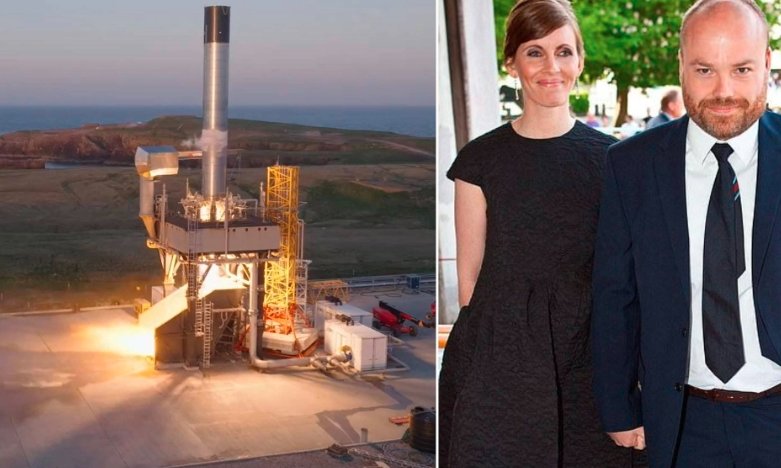
A key factor in the loss is the £12.1 million write down on SaxaVord Spaceport. Located on Unst in Shetland, this site aims to be the UK’s first vertical launch spaceport.
Povlsen’s firm, through Wild Ventures Limited, owns more than half the shares. The investment was meant to spur tech jobs in the islands.
Delays and technical issues have plagued the project. Plans for mainland launches were halted, leading to doubts about its future.
This mirrors broader challenges in the UK space industry. Other sites like Spaceport Cornwall have faced similar hurdles with funding and regulations.
Despite the hit, Povlsen remains committed. His team sees space tech as a way to diversify the economy beyond traditional sectors.
Here are some key figures from the accounts:
- Total loss: £33 million
- Spaceport write down: £12.1 million
- Previous year loss: £8.1 million
- Land holdings: 220,000 acres
Broader Impact on Scotland’s Economy
These losses affect more than just Povlsen’s wallet. His projects employ hundreds in remote communities, supporting local suppliers and tourism.
Critics argue large landowners like him concentrate power, but supporters praise the jobs created. In 2025, his estates hosted events that drew international visitors.
The spaceport drama ties into Scotland’s push for innovation. Government grants of £15 million were injected, yet progress stalled.
Looking ahead, industry watchers predict recovery if launches begin by 2027. Global space markets are booming, with private firms like SpaceX leading the way.
This case echoes other billionaire backed ventures. For instance, Elon Musk’s early SpaceX losses paved the way for massive gains.
Challenges and Future Prospects
Wildland Limited faces headwinds from rising costs and economic uncertainty. Inflation in construction and energy has squeezed margins.
Regulatory red tape has slowed spaceport development. Experts warn that bureaucracy could delay UK space ambitions further.
Povlsen’s approach includes rewilding efforts, planting millions of trees. These green initiatives appeal to eco conscious travelers.
To turn things around, the company plans more marketing and partnerships. Analysts suggest focusing on high end experiences to boost revenue.
The table below outlines Wildland’s financial trends over recent years:
| Year | Revenue (£m) | Loss (£m) | Key Investment |
|---|---|---|---|
| 2023 | 5.2 | 7.5 | Estate expansions |
| 2024 | 6.8 | 8.1 | Hotel upgrades |
| 2025 | 7.5 | 33.0 | Spaceport write down |
What This Means for Investors and Locals
For investors, this signals caution in frontier projects. Space tech offers high rewards but comes with volatility.
Locals in Shetland and the Highlands hope for stability. Job creation remains a bright spot amid the losses.
Povlsen’s wealth cushions the blow, but sustained deficits could force strategy shifts. His track record in fashion suggests resilience.
As Scotland eyes growth in tech and tourism, stories like this show the path is not always smooth.
Share your thoughts on billionaire investments in rural areas. Have you visited any of Povlsen’s estates? Comment below and spread the word to keep the conversation going.
 ONGC licence frees Venezuela cash and operatorship talks
  Anthropic Hits $65 Billion Run Rate and Flips the AI Cash Test
  Supreme Court grounds the fare free-for-all with three-week clock
  Gold Nears $4400 as Soft Data Meets Oil Inflation Risk
  Nifty Slips as Zaggle Circuits and Dhoot Debuts Big
  Diesel Crack Tops $100 as Iran Rhetoric Lifts Crude