
Scotland’s ski resorts in the Highlands are facing tough times as climate change brings warmer winters and less snow. This shift threatens winter tourism, forcing resorts to adapt quickly to survive.
Climate change is reshaping Scotland’s winter landscape, with rising temperatures and unpredictable snowfall hitting the heart of the Highlands. Resorts like Cairngorm Mountain, once packed with skiers, now deal with shorter seasons and thinner snow cover, pushing operators to rethink their future.
Rising Temperatures Cut Ski Seasons Short
Warmer weather has already shortened ski seasons in Scotland by weeks in recent years. Data shows that average winter temperatures in the Highlands have climbed by about 1.5 degrees Celsius since the 1980s, leading to later snowfalls and earlier melts.
This trend affects low altitude areas the most, where snow often turns to slush or rain. Resorts report fewer operational days, with some seasons ending a month early compared to past decades.
Experts predict that by 2030, reliable snow could become rare, making it hard for resorts to plan ahead. This uncertainty disrupts not just skiing but the entire winter economy in places like Aviemore.
Local communities feel the pinch as fewer visitors arrive, impacting jobs in hospitality and gear rentals. Without steady snow, the appeal of Scotland’s slopes fades for both locals and tourists.
Key Resorts Feel the Heat
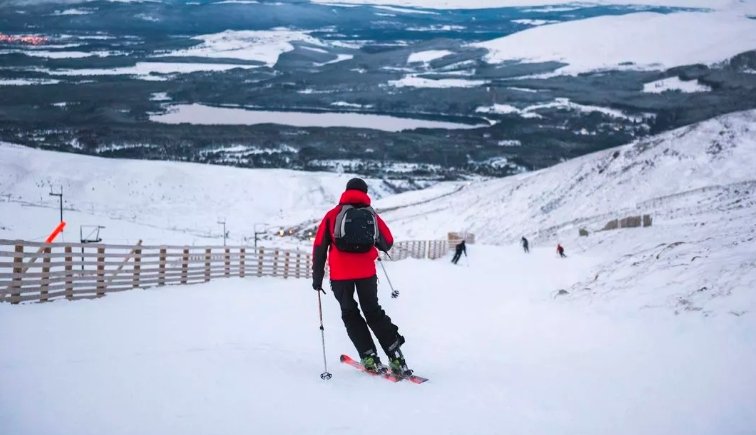
Cairngorm Mountain stands out as a prime example of these challenges. This popular spot in the Cairngorms National Park used to boast thick snow from November to April, drawing crowds for skiing and snowboarding.
Now, with warmer spells, the resort relies more on artificial snow machines to keep runs open. Operators note that natural snowfall has dropped by up to 30 percent in the last five years alone.
Other sites like Glenshee and The Lecht face similar issues. Glenshee, known for its vast terrain, has seen inconsistent conditions, leading to canceled events and disappointed visitors.
The Lecht, a family friendly resort, struggles with its lower elevation, where mild winters mean more rain than snow. These changes force all resorts to invest in new tech or risk closure.
Adaptation Moves to Save the Industry
Resorts are not sitting idle; many are diversifying to attract year round visitors. Bike trails, hiking paths, and adventure activities now fill the summer months, helping offset winter losses.
Snowsport Scotland leads efforts with a new strategy focused on sustainability. Their plan includes better snowmaking tech and eco friendly practices to cut emissions while boosting resilience.
- Installing advanced snow cannons that work in milder weather to extend seasons.
- Partnering with local businesses for non snow activities like mountain biking and wildlife tours.
- Educating visitors on climate impacts to build support for green initiatives.
These steps aim to keep resorts viable even as snow becomes less dependable. Some places have added indoor facilities, like dry slopes, for training without real snow.
Government support plays a role too, with funding for infrastructure upgrades. This helps small resorts compete in a changing market.
Communities rally around these changes, seeing them as vital for long term survival. Without adaptation, many fear job losses and economic decline in rural areas.
Future Outlook for Snow in Scotland
Projections paint a mixed picture for Scotland’s ski future. By 2080, models suggest skiing might still happen in higher spots during cold snaps, but not as a sure thing.
Recent studies show that if global warming continues at current rates, snow cover could shrink by 50 percent in the Highlands by mid century. This would hit tourism hard, with fewer international visitors choosing Scotland over snow sure destinations like the Alps.
However, some optimism remains. If emissions drop worldwide, resorts could see more stable conditions. Scotland’s push for renewable energy might help locally too.
| Resort | Average Snow Days (2020s) | Projected Snow Days (2030s) | Main Adaptation |
|---|---|---|---|
| Cairngorm Mountain | 120 | 80 | Artificial snow and trails |
| Glenshee | 100 | 70 | Year round activities |
| The Lecht | 90 | 60 | Indoor training facilities |
| Nevis Range | 110 | 75 | Eco tours and biking |
This table highlights how resorts might fare, based on current trends. It shows the need for quick action to preserve what’s left.
Economic Ripples in the Highlands
Winter tourism pumps millions into the Highlands economy each year. Skiing alone supports thousands of jobs, from lift operators to hotel staff.
With climate shifts, revenue has dipped in poor snow years, sometimes by 20 percent or more. Small businesses suffer the most, as visitors opt for sunnier spots.
Yet, diversification brings hope. Resorts turning to summer tourism have seen visitor numbers rise outside winter, balancing the books.
Broader effects include changes in wildlife and landscapes. Warmer conditions alter ecosystems, which in turn affect scenic appeal for tourists.
Policymakers urge more investment in green tech to protect this vital sector. Success stories from other countries, like Austria’s adaptive resorts, offer lessons for Scotland.
What This Means for Tourists
Travelers planning a ski trip to Scotland should check forecasts closely. Apps and resort updates provide real time snow info to avoid letdowns.
Consider flexible bookings that allow changes if conditions worsen. Many resorts now offer guarantees or refunds for bad weather.
Beyond skiing, explore the Highlands’ other charms, like scenic walks or cultural sites. This way, a trip stays enjoyable even without perfect snow.
As climate awareness grows, supporting sustainable tourism helps. Choose eco friendly options to contribute to the fight against warming.
Share your thoughts on how climate change affects your travel plans. Have you visited Scotland’s slopes lately? Comment below and spread the word to raise awareness.