

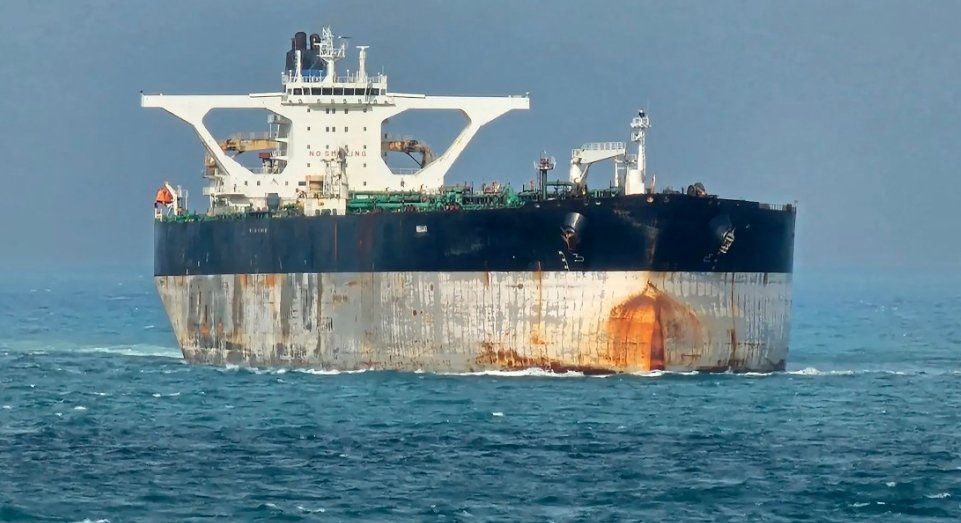
In a dramatic showdown on the high seas, Russian naval forces, including a submarine and warships, moved in to escort the oil tanker Marinera as United States forces pursued it across the North Atlantic near Scotland. This incident, unfolding on January 7, 2026, highlights escalating tensions over U.S. sanctions aimed at cutting off oil revenues for Venezuela and Iran, with Russia stepping in to protect what it calls its legitimate maritime interests.
The chase began weeks ago when U.S. Coast Guard cutters identified the Marinera, formerly known as Bella 1, as part of a shadow fleet evading sanctions. Officials claim the tanker carried Venezuelan oil destined for buyers willing to ignore international restrictions.
The Tanker’s Troubled Journey
The Marinera set sail from Venezuelan waters, loaded with crude oil that U.S. authorities say violates sanctions imposed to pressure the Maduro regime. Reports indicate the ship changed its name and flag to dodge detection, a common tactic in the shadow fleet.
As the pursuit intensified, the tanker headed toward European waters, passing near Iceland before approaching Scotland’s coast. U.S. forces, supported by NATO allies including the United Kingdom, tracked it relentlessly.
This cat-and-mouse game drew global attention when satellite imagery showed Russian vessels closing in. The presence of a Russian submarine added a layer of risk, raising fears of a direct confrontation.
Experts note that such shadow fleets have transported over 2 million barrels of sanctioned oil monthly in recent years. This volume supports economies in Venezuela and Iran, funding activities that the U.S. views as threats to global security.
Russia’s Bold Response
Russia’s foreign ministry condemned the U.S. actions as piracy and a breach of international maritime law. They dispatched naval assets to safeguard the Marinera, framing it as defense of free navigation.
The escort included at least two warships and a submarine, positioned to deter any boarding attempt. This move echoes past incidents where Russia has protected its interests in contested waters.
Analysts point out that Russia’s involvement ties into broader geopolitical rivalries. With ongoing conflicts elsewhere, this could strain U.S.-Russia relations further.
One key factor is the tanker’s cargo value, estimated at $80 million based on current oil prices around $70 per barrel. Losing it would hurt Venezuela’s already struggling economy.
U.S. Enforcement Strategy
The United States justifies the pursuit under its sanctions regime, expanded in 2025 to target enablers of Venezuelan and Iranian oil trades. President Trump’s administration has prioritized seizing assets to enforce compliance.
In this case, U.S. forces boarded the Marinera on January 7, 2026, after a weekslong chase. Crew members were detained, and the ship was redirected to a U.S. port for further inspection.
This operation marks the second such seizure in days, following the capture of another tanker, the Sophia. These actions aim to disrupt shadow fleets that have evaded sanctions for years.
To illustrate the scale, here’s a quick look at recent U.S. seizures:
- Marinera: Russian-flagged, Venezuelan oil, seized January 7, 2026.
- Sophia: Linked to Iran, captured January 6, 2026.
- Skipper: Panama-flagged, taken December 2025.
These moves have driven down global oil prices by 5% in the past week, as markets react to reduced illicit supply.
Global Reactions and Implications
Allies like the UK provided surveillance support, confirming their role in monitoring the tanker’s path. NATO officials expressed concern over potential escalation but affirmed commitment to sanctions enforcement.
Venezuela and Iran denounced the seizure, with Maduro’s government calling it an act of war. Protests erupted in Caracas, where citizens already face fuel shortages amid economic woes.
On the international stage, China voiced opposition, as some seized oil was bound for its refineries. This could complicate U.S.-China trade talks set for later this month.
The incident raises questions about maritime law. Under the United Nations Convention on the Law of the Sea, pursuits in international waters must follow strict protocols, which both sides claim to uphold.
| Key Players | Role | Stance |
|---|---|---|
| United States | Pursuer and seizor | Enforcing sanctions to curb illicit oil trade |
| Russia | Escort provider | Defending maritime rights and allies |
| Venezuela | Oil origin | Condemns as economic aggression |
| United Kingdom | Support ally | Provided intelligence and tracking |
| Iran | Linked through sanctions | Protests interference in trade |
This table shows the main actors and their positions in the unfolding drama.
Potential for Escalation
The North Atlantic location, near busy shipping lanes, increases risks. Naval experts warn that miscalculations could lead to unintended clashes, similar to Cold War-era standoffs.
Economically, sustained U.S. pressure might force Venezuela to concede more oil control, as hinted in recent Trump statements about rebuilding their industry under American oversight.
Diplomatically, this pushes Russia and the U.S. toward renewed talks. With a phone call between Trump and a regional leader already reported, de-escalation efforts may follow.
Looking ahead, shipping companies are rerouting vessels to avoid similar fates, potentially raising global freight costs by 10% in the coming months.
What do you think about this high-seas tension? Share your views in the comments below and spread the word by sharing this article with others interested in global affairs.