

Italy has stepped up efforts to tackle overtourism by introducing new tourist taxes in 2025, joining countries like Greece, Spain, Japan, Ecuador, and Scotland. These measures aim to ease crowding in popular spots, protect cultural sites, and fund environmental projects, with fees starting from a few euros and varying by location and season.
Why Italy Is Adding Tourist Taxes Now
Italy faces massive visitor numbers that strain its historic cities and natural areas. In 2025, the government launched these taxes to balance tourism’s economic boost with the need to preserve sites like Venice’s canals and Rome’s ancient ruins. Officials say the fees will generate funds for upkeep and crowd control, responding to local complaints about overwhelmed infrastructure.
This move comes amid a global surge in travel after the pandemic, with Italy seeing over 100 million international arrivals in 2024 alone. Experts note that without action, sites could suffer irreversible damage from foot traffic and pollution. The taxes also promote sustainable travel by encouraging longer stays over quick visits.
Local leaders argue these steps protect jobs while safeguarding heritage. For instance, revenue will support restoration projects and better public transport in tourist hotspots.
Key Italian Cities Implementing Fees
Several Italian destinations have rolled out or expanded taxes to manage visitor flows. Venice leads with a day-tripper fee that hit €5 to €10 on busy days in 2025, targeting cruise ship crowds that flood the streets.
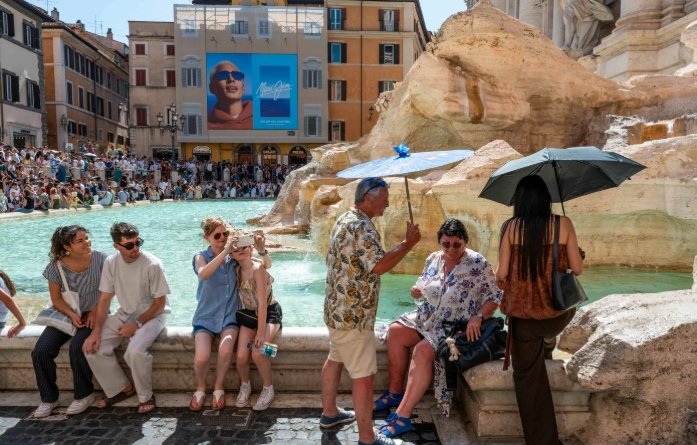
Rome introduced a €2 entry charge for the Trevi Fountain area starting late 2025, aiming to cut litter and vandalism at this iconic spot. Florence and other cities are following suit with accommodation levies up to €5 per night, depending on hotel stars.
- Venice: Focuses on peak-season day visitors to reduce daily crowds by up to 20 percent.
- Rome: New fee for fountains and squares to fund cleaning and security.
- Florence: Higher taxes for short-term rentals to ease housing pressures on locals.
These changes build on pilot programs from 2024, with early data showing a slight drop in peak-hour visitors.
Overall, the taxes vary by region, but most exempt children under 14 and long-term residents. Travelers should check city websites for exact rates before booking.
How These Taxes Help Protect Heritage and Environment
The funds from tourist taxes go directly to conservation efforts. In Italy, money supports projects like reinforcing Venice’s flood barriers and restoring ancient Roman structures. This approach mirrors global strategies where fees preserve ecosystems and cultural treasures.
Environmental groups praise the move, noting that overtourism contributes to erosion and waste in fragile areas. For example, taxes in the Dolomites region help maintain hiking trails and wildlife habitats.
A recent study estimates these levies could raise over €1 billion annually for Italy, split between infrastructure and green initiatives. This financial boost allows for better waste management and eco-friendly transport options.
However, some critics worry that higher costs might deter budget travelers, shifting crowds to less prepared areas. Supporters counter that the taxes ensure tourism benefits everyone long-term.
Global Trend in Tourist Taxes
Italy’s actions fit into a wider pattern where nations battle overtourism. Greece charges up to €20 for island visitors, while Spain eyes fees for sites like Seville’s Plaza de España. Japan and Ecuador use similar systems to protect Kyoto’s temples and the Galápagos Islands.
Here’s a quick look at select global tourist taxes in 2025:
| Destination | Fee Amount | Purpose |
|---|---|---|
| Venice, Italy | €5-€10 (day-trippers) | Crowd control and infrastructure |
| Santorini, Greece | Up to €20 (cruise arrivals) | Reduce congestion and fund locals |
| Kyoto, Japan | Up to ¥10,000 (accommodation) | Heritage preservation |
| Galápagos, Ecuador | $200 entry | Ecosystem protection |
| Edinburgh, Scotland | 5% on stays (from 2026) | Public services and conservation |
This table shows how fees target specific issues, from overcrowding to biodiversity.
Scotland plans a 2026 levy on accommodations, expecting to raise millions for community projects. Experts predict more countries will adopt these by 2027 as travel rebounds.
Challenges and Debates Around Effectiveness
Not everyone agrees on the taxes’ impact. Some travelers complain about added costs during a time of rising inflation, with one survey showing 30 percent might skip taxed destinations. Businesses fear fewer visitors could hurt small shops and guides.
On the flip side, data from Venice’s early trials indicate a 15 percent drop in day trips without major revenue loss. Analysts suggest combining taxes with limits on cruise ships and short-term rentals for better results.
Debates continue on whether these are fair solutions. Low-income tourists might feel priced out, while wealthier ones keep coming. Policymakers must monitor effects and adjust to avoid unintended shifts in travel patterns.
What Travelers Need to Know for 2026 Trips
Planning a trip to Italy in 2026? Expect these taxes to expand, with possible digital apps for payment and exemptions. Budget extra for fees, and consider off-peak visits to avoid higher rates.
Stay informed through official tourism sites, as rules evolve. These changes promote responsible travel, helping preserve Italy’s charm for future generations.
What do you think about these tourist taxes? Share your thoughts in the comments below, and pass this article along to fellow travelers to help them prepare.