
 Ishan Crawford
 Temperatures will tumble by up to seven degrees Celsius across northern Scotland this weekend, ending a heatwave that has held much of Britain in its grip for nearly two weeks. A fresher northerly wind is moving in as high pressure shifts west of the UK, and forecasters say the change will feel dramatic in the north and barely noticeable in the south.
Southern England has now spent 12 consecutive days at or above the heatwave threshold. The cooldown will not touch that streak much, and it will not bring the rain the parched south badly needs. More than eight million households are already living under hosepipe bans, and forecasters expect the warmth to come roaring back within days.
Scotland Feels the Northerly Wind First
The drop will not land evenly. Maximum temperatures in northern Scotland are set to fall by as much as seven degrees Celsius on Saturday compared with Thursday, enough to end the heatwave there entirely. North west England will cool by five to six degrees from Thursday’s peak, dropping to the low 20s by the weekend.
Further south, the change is milder. The Midlands, Wales and southern England will see maximum temperatures widely in the range of 25 to 27 degrees Celsius, still above the heatwave threshold in places, though cooler nights will make a welcome return after weeks of muggy sleeping conditions.
Met Office chief forecaster Chris Bulmer said temperatures should be much closer to average for the time of year by the weekend. It is Britain’s third heatwave of the year, following the record breaking spells that struck in May and June, and the Met Office has already described this month’s pattern as one of fine, dry and very warm weather with the hottest conditions simply migrating around the map rather than disappearing.
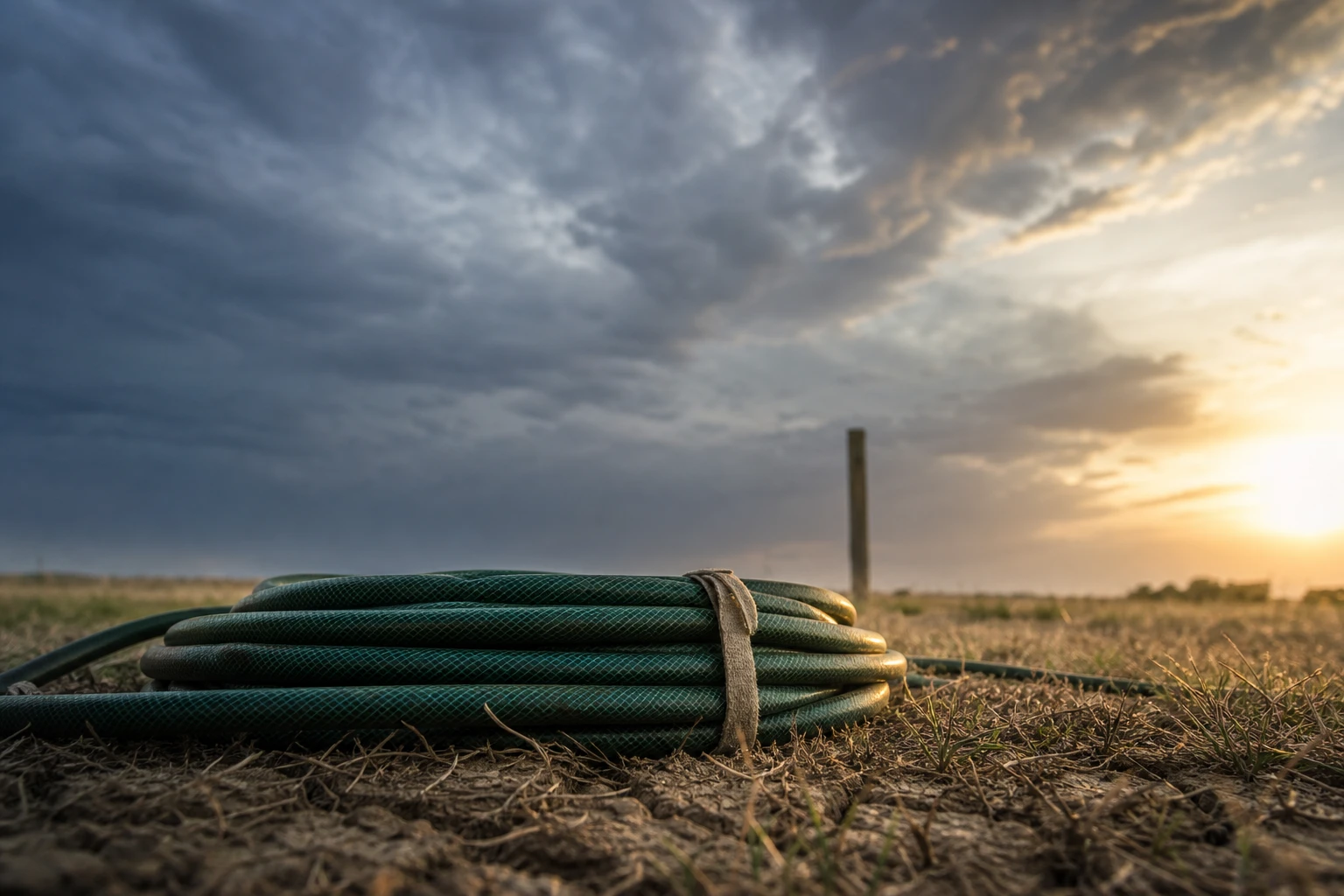
Twelve Days Above Threshold, and Still No Rain
Here is the catch. Despite the break from the heat, there is still no sign of significant rain in the forecast. High pressure is set to remain close to the UK at least into early next week, continuing an unusually dry and sunny month.
A handful of spots in south east England, including Wisley in Surrey and Herstmonceux in East Sussex, have now gone close to 30 days without rain. Several other locations across the east of England and the West Midlands have passed 20 dry days. Wales and Northern Ireland are also running far drier than average for the time of year.
The dryness is feeding a separate hazard. Warm, gusty conditions have kept wildfire risk elevated across England and Wales for weeks. A National Fire Chiefs Council spokesperson warned that when the weather stays hot and dry, it only takes one spark to start a wildfire, and urged people to avoid disposable barbecues on moorland and to fully extinguish cigarettes outdoors.
Eight Million Households Learn to Live Without a Hose
The dry spell has already forced six water companies into action. Water UK counts Affinity Water, Anglian Water, Cambridge Water, Southern Water, South East Water and South West Water as having announced Temporary Use Bans this summer, the formal name for hosepipe restrictions.
| Water Company | Area Covered | Ban Start Date |
|---|---|---|
| South East Water | Kent | 3 July |
| Southern Water | Hampshire and the Isle of Wight | 10 July |
| Anglian Water | East of England, Home Counties, London, Essex | 11 July |
| South West Water | Mid Devon and parts of East Devon | Mid July |
| Affinity Water | Home Counties | 17 July |
Anglian Water’s ban alone covers more than five million customers across the East of England, Bedfordshire, Berkshire, Buckinghamshire, Hertfordshire, Surrey, London and Essex. Affinity Water says demand in its region has run 20% above average, while it is getting less water than usual from Grafham Water, a reservoir that normally supplies around a tenth of the region’s needs.
Whether restrictions actually work is a fair question. The Environment Agency notes that research into past bans found they can cut network demand by three to five percent, enough for a large supplier to save the equivalent of a full Wembley Stadium of water. Breaching a ban can bring a fine of up to £1,000, though not everyone is covered by the restriction.
- WaterSure households – customers on benefits with three or more children under 19 in full time education, or a medical condition requiring heavy water use, can keep using a hosepipe
- Priority Services Register – customers registered for mobility or health related support are also excused from the restrictions
- Non-mains sources – anyone watering a garden with stored rainwater or recycled grey water is unaffected by the ban
A Two Tier Backlash Over Who Is Exempt
That WaterSure exemption has become a flashpoint. Southern Water and Affinity Water have taken a blanket approach, letting every customer on the tariff keep using a hosepipe even while millions of their other customers cannot, in order to avoid putting disabled households at risk.
Reform and Conservative politicians have called it a two tier system.
How ridiculous has this country become when you have to be on benefits to use water?
Suella Braverman, the Reform MP for Fareham and Waterlooville in Hampshire, made that complaint after her own constituency was placed under the ban. Conservative Party chairman Kevin Hollinrake echoed the criticism of the arrangement.
Is Any Part of the UK Officially in Drought?
No area of England has been formally declared in drought yet. Most of the country remains in what the Environment Agency classes as normal status, though several catchments, including Cam and Ely Ouse, North West Norfolk, North Norfolk, and the Solent and South Downs area covering Hampshire and the Isle of Wight, have moved into prolonged dry weather, the category just below drought.
All of Wales is rated normal by Natural Resources Wales, and there are currently no official droughts in Northern Ireland. The distinction matters: drought is a shortage of rainfall, while water scarcity is a mismatch between supply and demand, and this summer’s bans have mostly been driven by demand spikes rather than a classic drought declaration.
Richard Allan, professor of climate science at the University of Reading, said a warmer atmosphere is thirstier for moisture, which can pull water out of soil, rivers and reservoirs faster and bring on droughts and heatwaves more quickly. A landmark review of the water sector in England and Wales has separately criticised companies for decades of underinvestment in infrastructure, with nine new reservoirs now planned for England by 2050.
The Human Toll Behind the Sunshine
The stakes go well beyond browning lawns. A rapid analysis from the Met Office, Imperial College London and the London School of Hygiene and Tropical Medicine (LSHTM) has already put a number on this summer’s cost.
- 2,700+ estimated excess deaths in England and Wales during the May and June heatwaves combined
- 42% of those deaths, or roughly 1,140 people, are attributed to human caused climate change
- 550 deaths estimated during the nine day May heatwave, rising to 2,200 during the eleven day June event
- 35.1°C and 37.7°C, the new May and June temperature records set in West London and Lingwood, Norfolk
Mark McCarthy, the Met Office’s Manager of Climate Attribution, said 2026 has been exceptional for the two early season heatwaves, noting the May and June records had stood since 1944 and 1976 respectively. The UK Health Security Agency (UKHSA) is expected to publish its own official interim mortality analysis in the coming weeks.
Researchers used historical mortality records and peer-reviewed methods to model how many people would have died in a climate untouched by human warming. For comparison, the 2022 summer’s full toll among people aged 65 and over, spread across five separate heat periods, reached roughly 2,803 deaths, the previous benchmark. This year has come close to that number from just two events, with July and August, the UK’s traditionally hottest months, still to come.
A Climate That Keeps Moving North
The Met Office’s own state of the climate report, released this year, found that the hottest day of the year in the south of England is now typically 4.5 degrees Celsius warmer than it was between 1961 and 1990. Mike Kendon, the report’s lead author, said what used to be thought of as extreme is increasingly considered normal.
Scotland has lived that shift directly. Just last year the country logged its hottest day recorded in three years near Aviemore, part of a run of summers in which heat that once stayed south now regularly reaches the Highlands. The same volatility cuts both ways. Only months ago the country was under ice warnings that disrupted the Monday commute, a reminder that Britain’s weather is swinging harder between extremes in both directions, not simply getting warmer on average.
Will the Heat Come Back Next Week?
Yes, and quickly. After this weekend’s cooler interlude, warmer conditions are forecast to bounce back fast, with most of the UK staying dry and seeing more sunshine as the northerly wind eases off.
Scotland and Northern Ireland are expected to climb back to around 23 degrees Celsius, while southern England could return to 30 degrees Celsius by the early part of next week. For parts of England and Wales, that means the heatwave will push into a third consecutive week, the same high pressure system simply reasserting itself once the brief northerly interruption passes.
Southern England’s current run already stands at 12 straight days above the heatwave threshold. On the current forecast, the weekend chill barely dents that streak before it starts climbing again.
Frequently Asked Questions
What Counts as a Heatwave in the UK?
The Met Office defines a heatwave as three or more consecutive days where daily maximum temperatures meet or exceed a location specific threshold, which ranges from 25°C in cooler parts of the country up to 28°C in the warmest counties of southeast England. That sliding scale is why a 26°C day can count as a heatwave in Newcastle but not in London.
How Much Water Does a Hosepipe Actually Use, and Is There a Fine?
A garden hosepipe left running can use as much as 1,000 litres of water an hour, according to the Consumer Council for Water, roughly what a family of four might use in several days indoors. Breaching a Temporary Use Ban can bring a fine of up to £1,000, on top of exemptions for medical needs, mobility support and non-mains water sources.
Has Anyone Been Fined for Breaking a Hosepipe Ban?
Despite bans covering millions of households in past dry summers, no UK water company has ever confirmed issuing a fine for breaching hosepipe restrictions. Cath Jones of the Consumer Council for Water has said fining a household should always be a last resort, with companies expected to issue a gentle reminder first.
Could New Reservoirs End the Need for Bans?
Not quickly. The government and water companies are planning nine new reservoirs for England by 2050 to build more resilience into supply, with at least one already under construction. Until those come online, officials say leakage repairs and demand management, including hosepipe bans, remain the main tools available during dry spells.
 Craig Gordon Retires at 43 as Scotland’s Oldest World Cup Player
  Scotland Fans Fill Glasgow Pubs to Cheer Argentina’s Win Over England
  11 Scotland Towns Where Main Streets Are Winning the Long Game
  Ferguson Marine Loses Skilled Trades While Ministers Stall On Ship Deal
  Scotland U20s Drop Six Nations Regular MacArthur for Wales Final
  Scotland’s First Dual Recovery Court Cuts Drug Deaths by Up to 17%