
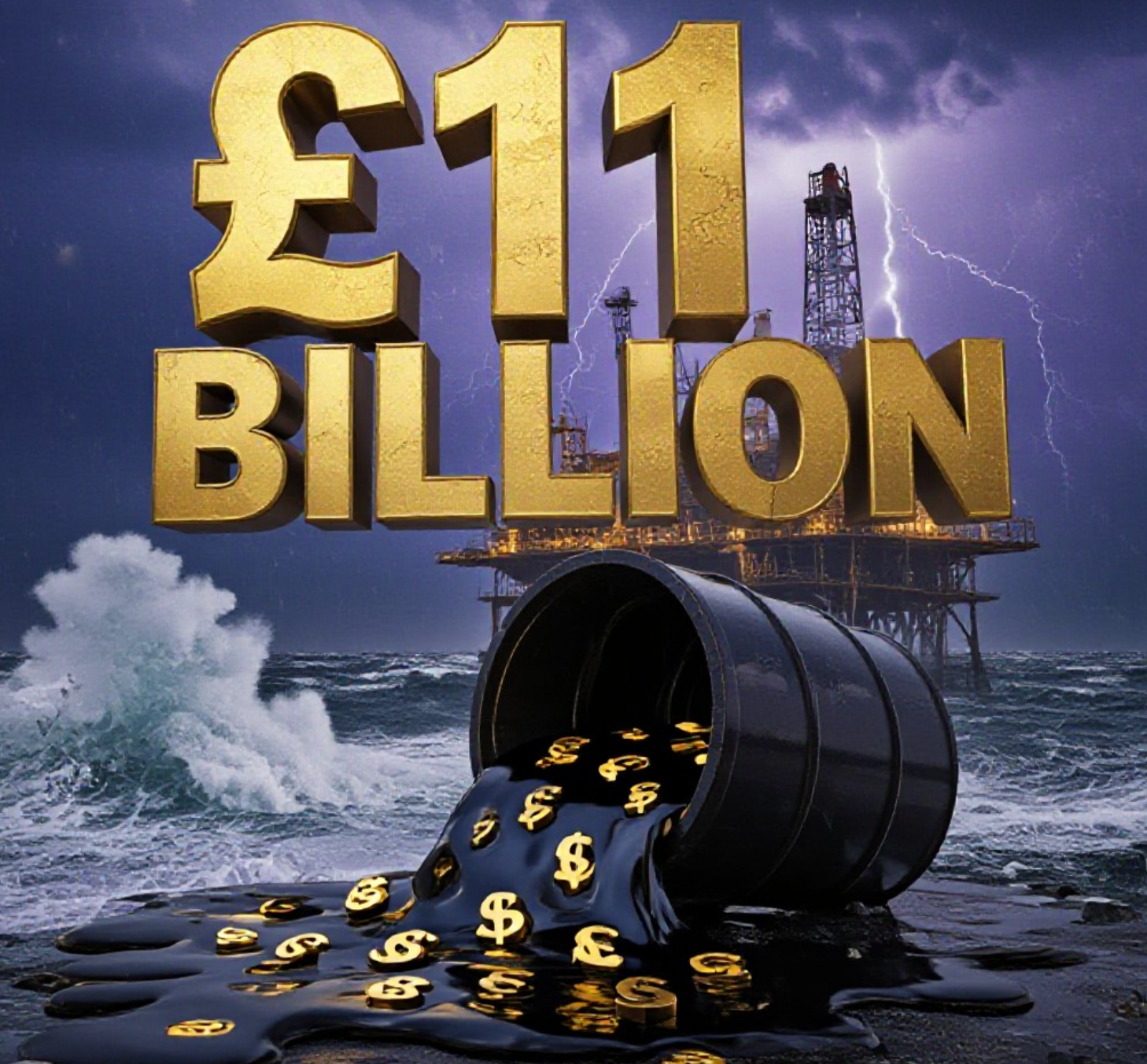
A bombshell new report lays bare the brutal truth: Scotland’s addiction to oil and gas has cost the country a staggering £11 billion between 2021 and 2024. That is almost three times the entire Scottish Government education budget and works out at £2,263 for every single household. The pain has been felt everywhere, from remote island homes to city factories.
The heaviest burdens fell on the poorest communities and key industries, exposing once again how exposed Scotland remains to global energy chaos.
Households Bore Over Half the Pain
Scottish families picked up £5.8 billion of the extra energy bills during those three brutal years.
That is an average of £2,263 per household, money that could have paid for school uniforms, holidays, or home repairs. In Shetland and Orkney, where heating homes in winter is non-negotiable, the hit was savage as a proportion of income. Dundee City, already one of Britain’s poorest areas, saw families forced to choose between heating and eating.
The numbers are merciless:
- Shetland households paid an extra 18% of disposable income on energy
- Orkney came in close behind at 16%
- Dundee City residents lost 14% of their income to higher bills
- Even wealthier Edinburgh still faced an extra £2,100 per home on average
These are not abstract figures. They are skipped meals, colder homes, and parents working extra shifts.
Industry and Business Got Slammed Too
Scottish industry absorbed an extra £1.8 billion in energy costs, almost £2 billion wiped straight off the bottom line.
Manufacturing, food processing, and distilleries saw gas and electricity bills double or triple overnight. Many firms cut shifts, delayed investment, or passed costs on to customers. The commercial sector, agriculture, and public services together faced another £2.6 billion in higher bills.
Glasgow, Edinburgh, and Aberdeen took the biggest absolute hits because that is where most businesses and public buildings are. But rural areas suffered too, haulage firms and farms were crushed by diesel prices that topped £2 a litre in 2022.
One Aberdeen engineering boss told me last week: “We were quoted £1.4 million a year for gas in 2022. The year before it was £300,000. We survived, but only just.”
Scotland Still Dangerously Exposed
The report from Common Weal, updated on 23 February 2026, drives home a painful reality: despite world-leading renewable generation, Scotland remains hopelessly tied to volatile global gas markets.
We import over 80% of our gas. When Putin turned off the taps to Europe, prices exploded and Holyrood could do nothing but watch. Ofgem’s price cap protected households a little, but businesses were fully exposed.
The irony is bitter. Scotland generates enough renewable electricity to power every home twice over on windy days, yet most homes still heat with gas boilers and most businesses run on fossil fuels.
The Road to Real Energy Security
The £11 billion question is simple: how do we stop this happening again?
Experts say the answer is staring us in the face:
- Mass insulation programme for Scotland’s leaky housing stock
- District heating networks in every town and city
- Electrification of heat through heat pumps
- Publicly owned energy company to keep profits in Scotland
- Faster build-out of cheap renewables and storage
The good news? Wholesale electricity prices have crashed back to pre-crisis levels in 2025 and 2026 because of record renewable output. The bad news is that families and firms are still paying for the last crisis while doing nothing to prevent the next one.
Scotland spent £11 billion learning the hard way that fossil fuel dependence is economic suicide. The only question now is whether politicians have the courage to finally break the addiction.
What do you think, will Holyrood finally go all-in on homegrown renewables and home insulation, or are we doomed to pay billions more the next time gas prices spike? Drop your thoughts below and share this article with #ScotlandEnergyCrisis if you agree it is time for real change.