
 Axel Piper
 Scotland has taken a bold step in aquaculture by approving the nation’s first semi closed containment salmon farm. The Scottish government gave the green light to Loch Long Salmon’s project on Loch Long near Arrochar, overturning a local planning refusal in a move that highlights innovative technology already successful in Norway, Canada, and the Faroe Islands.
Project Details and Timeline
The approval came on August 26, 2025, after a lengthy review process. Loch Long Salmon plans to invest 40 million pounds in this facility, which will use semi closed systems to farm salmon more sustainably.
This decision follows years of planning and appeals. The company first applied in 2021, facing opposition from local groups worried about environmental impacts. Despite initial rejections by the Loch Lomond and The Trossachs National Park Authority and a government reporter, ministers stepped in to approve it, citing potential benefits for the industry.
The farm aims to produce up to 3,452 tonnes of salmon per year. Construction could start soon, with operations expected by 2027 if all goes smoothly.
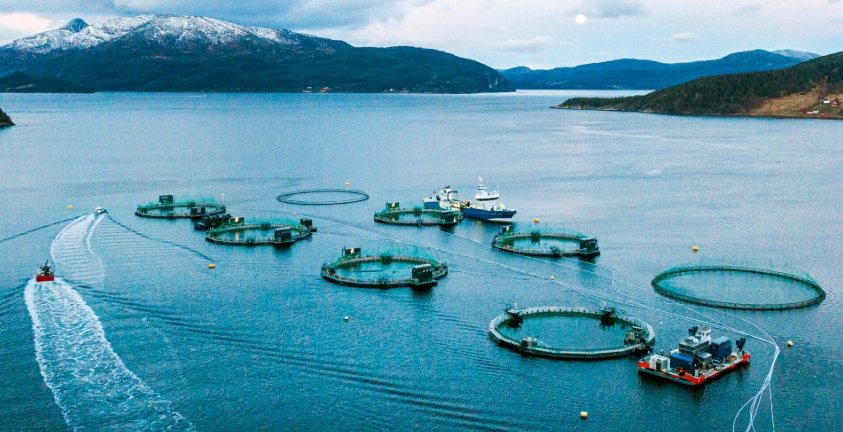
How Semi Closed Containment Works
Semi closed containment systems enclose fish in barriers that limit contact with the open sea. Water flows in from deeper levels, reducing risks from sea lice and other parasites.
Unlike traditional open net pens, these systems collect waste and uneaten feed, preventing pollution on the seabed. Pumps and filters maintain clean water inside the pens, supporting healthier fish growth.
This technology draws from proven models abroad. In Norway, similar farms have cut sea lice treatments by up to 90 percent. Canadian operations report better fish survival rates, while Faroese farms show reduced escapes that harm wild populations.
Experts say these systems address key challenges in salmon farming, such as disease spread and environmental harm.
Benefits for Scotland’s Aquaculture Sector
Scotland’s salmon industry, worth over 1 billion pounds annually, faces pressure to innovate. This approval aligns with record high salmon survival rates, reaching 95 percent in 2024 due to tech investments totaling 1 billion pounds over recent years.
The Loch Long farm promises several advantages:
- Lower sea lice infestations, reducing chemical use.
- Improved fish welfare through stable environments.
- Waste capture to protect local ecosystems.
- Job creation in rural areas, with estimates of 20 to 30 new positions.
Industry leaders see this as a model for future farms. It could boost exports, which hit 500,000 tonnes last year, by meeting global demands for sustainable seafood.
| Key Metrics | Traditional Open Net Farms | Semi Closed Containment Farms |
|---|---|---|
| Sea Lice Reduction | Minimal without treatments | Up to 90% less |
| Waste Management | Disperses into sea | Collected and treated |
| Fish Survival Rate | Around 85-90% | Over 95% |
| Environmental Impact | Higher pollution risk | Lower, with contained waste |
Addressing Controversies and Concerns
Not everyone welcomes the decision. Over 4,700 people signed petitions against it, citing risks to wild salmon and scenic views in the national park.
Critics argue that even semi closed systems might not fully eliminate escapes or nutrient pollution. Recent events, like mass salmon deaths in other Scottish farms due to jellyfish blooms, fuel doubts about industry practices.
Supporters counter that this technology marks progress. It responds to global calls for better aquaculture, as seen in Norway’s shift away from open nets.
Environmental groups urge strict monitoring. The government has promised oversight to ensure compliance with regulations.
Local communities raised noise and traffic issues during consultations. The company pledges to minimize disruptions and engage with residents.
Future Implications for Global Aquaculture
This approval could spark more semi closed projects in Scotland. Loch Long Salmon is already eyeing sites like Loch Linnhe for expansion, potentially adding 8,000 tonnes of capacity.
Globally, the trend toward closed systems grows. Canada plans to phase out open net pens by 2029, while Norway leads with over 50 such farms operating.
In Scotland, this might influence policy, encouraging incentives for green tech. It ties into broader efforts, like the 2024 investment in fish health tech that improved survival rates.
Challenges remain, including high setup costs and technical hurdles. Yet, success here could position Scotland as a leader in sustainable farming.
What do you think about this development in salmon farming? Share your views in the comments and spread the word to join the conversation on sustainable aquaculture.
 ONGC licence frees Venezuela cash and operatorship talks
  Anthropic Hits $65 Billion Run Rate and Flips the AI Cash Test
  Supreme Court grounds the fare free-for-all with three-week clock
  Gold Nears $4400 as Soft Data Meets Oil Inflation Risk
  Nifty Slips as Zaggle Circuits and Dhoot Debuts Big
  Diesel Crack Tops $100 as Iran Rhetoric Lifts Crude