

German energy company Uniper has revealed plans to build its first solar power project in Scotland, a major 68.8MW facility set to boost renewable energy in the region. The Berryhill Solar Farm, located north of Dundee, will start construction in early 2026 and aims to generate power for thousands of homes by year’s end.
Project Overview and Key Details
Uniper, a leading player in the global energy sector, is expanding its renewable portfolio with this groundbreaking initiative. The Berryhill Solar Farm marks a significant step for the company, as it ventures into solar development in Scotland for the first time. Partnering with Solar2, Uniper has secured approvals and is ready to move forward after the Scottish Government greenlit the project in 2022 following an appeal.
This farm will span a large area in the Sidlaws, featuring advanced solar technology to capture sunlight efficiently even in Scotland’s variable weather. Experts note that such projects are vital as the UK pushes toward net-zero goals, with solar playing a key role in diversifying energy sources away from fossil fuels.
The development comes at a time when renewable energy investments are surging. Recent reports show global solar installations hit record highs in 2024, with over 500 billion dollars spent on panels worldwide. In the UK, solar capacity has grown by more than 10 percent annually, driven by government incentives and falling costs.
Construction Timeline and Milestones
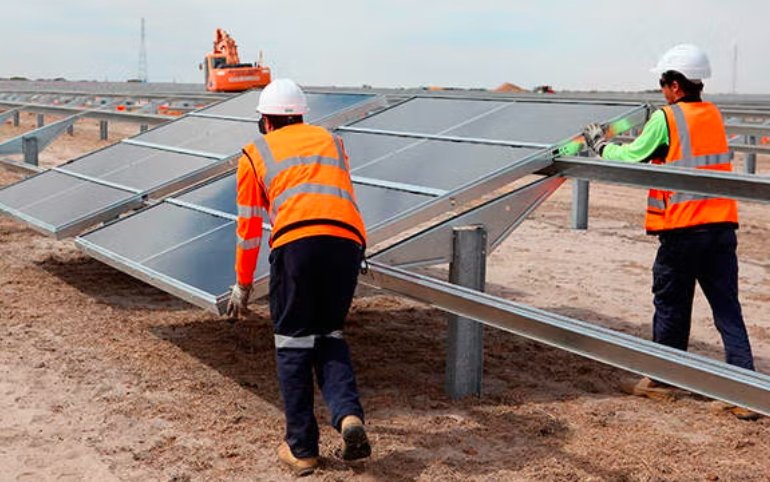
Construction is slated to kick off in the first quarter of 2026, with teams aiming for quick progress to meet the end-of-year operational target. Uniper expects the site preparation and panel installation to take several months, involving local workers and suppliers to support the economy.
Key milestones include connecting to the grid through Scottish and Southern Electricity Networks at the Charleston substation in Dundee. This step is crucial, as grid capacity issues have delayed similar projects across the UK. In fact, the National Energy System Operator recently allocated 2.2GW of new solar capacity to the region, easing some bottlenecks.
Weather and supply chain factors could influence the timeline, but Uniper’s experience from other European projects suggests they can handle challenges. For instance, the company just approved a 50MW battery storage system in Germany, showing their expertise in integrated renewable setups.
To give a clear picture, here are the main phases:
- Site preparation and groundwork: Early 2026
- Solar panel installation: Mid-2026
- Grid connection and testing: Late 2026
- Full commercial operations: By end of 2026
Technical Specifications and Capacity
The Berryhill farm will boast impressive specs, making it one of Scotland’s notable solar installations. It will have a peak capacity of 68.8MWp, translating to about 45MW of actual output, enough to power over 12,500 homes annually. This aligns with broader trends where solar farms are scaling up to meet rising electricity demands.
Around 152,000 solar panels will cover the site, using bifacial technology that captures light from both sides for better efficiency. These panels are designed to withstand harsh conditions, ensuring reliable performance year-round.
For a quick reference, here’s a table summarizing the project’s core features:
| Feature | Details |
|---|---|
| Capacity | 68.8MWp (45MW output) |
| Number of Panels | Approximately 152,000 |
| Annual Power Output | Enough for 12,500+ homes |
| Location | North of Dundee, Sidlaws area |
| Developer Partners | Uniper and Solar2 |
| Grid Connection | Via Charleston substation |
This setup not only generates clean energy but also includes plans for habitat enhancement, like creating spaces for local wildlife amid the panels.
Environmental and Economic Impact
Beyond energy production, the project promises strong benefits for the environment and local communities. By reducing reliance on imported fossil fuels, it will cut carbon emissions significantly, supporting Scotland’s ambitious climate targets. Solar farms like this can lower greenhouse gases equivalent to removing thousands of cars from roads each year.
Economically, construction will create jobs in engineering, installation, and maintenance. Uniper estimates hundreds of positions during the build phase, with ongoing roles once operational. This boosts rural areas around Dundee, where renewable projects are sparking new industries.
However, some locals have raised concerns about land use, echoing debates in other UK solar developments. For example, a recent large farm in Ayrshire faced community pushback over farmland conversion, but approvals often highlight long-term gains in sustainability.
Broader Context in Renewable Energy Trends
This initiative fits into a wave of renewable advancements across Europe. In Scotland, battery storage projects are booming to complement solar, with recent approvals for systems up to 342MW to handle energy fluctuations. Globally, China’s massive solar expansions, like a project powering an entire nation-sized demand, show the technology’s potential.
Uniper’s move also reflects corporate shifts toward green energy. As coal phases out, companies like Uniper are investing billions in solar and wind, hedging against volatile fuel prices. In 2025, UK solar additions are projected to exceed 1GW, building on 2024’s growth.
Experts predict solar will dominate human energy use by 2040, driven by cost drops and policy support. Berryhill could inspire more such farms, accelerating the transition.
Challenges and Future Outlook
While promising, the project faces hurdles like grid constraints and supply chain issues. The UK has seen delays in connections, prompting calls for infrastructure upgrades. Uniper’s strategy includes potential battery integration to store excess power, mirroring trends in Germany and elsewhere.
Looking ahead, success here could pave the way for more Uniper projects in the UK. With government backing for renewables, Scotland aims to lead in clean energy exports. This farm might even tie into larger networks, enhancing grid stability amid rising electric vehicle adoption.
In summary, Uniper’s Berryhill Solar Farm represents a forward-thinking investment in sustainable power. It addresses current energy needs while setting the stage for a greener future. Share your thoughts on this development in the comments below, and spread the word to keep the conversation going on renewable energy.