

Scottish households and businesses face soaring energy bills as grid constraint payments in Scotland reached over £1 billion this year, driven by bottlenecks in transmitting renewable power southward. New analysis from the National Energy System Operator shows costs up 38 percent from last year, highlighting the urgent need for reliable baseload power like nuclear to ease the strain.
Soaring Constraint Payments Strain the System
Constraint payments occur when generators must cut output because the grid cannot handle excess electricity, often from wind farms in Scotland during high generation periods. These payments, which add directly to consumer bills, hit £770 million from January to September 2025, a sharp rise from £560 million in the same period of 2024. With October data still emerging, experts project the full year total will exceed £1.2 billion, marking a record high.
This surge comes amid Scotland’s growing reliance on variable renewables, which produced over 100 percent of the nation’s electricity needs at times this year. Yet, without sufficient transmission lines to England, much of that clean power goes unused. Businesses in energy-intensive sectors, like manufacturing, report feeling the pinch as bills climb, forcing some to consider relocation or cutbacks.
The financial burden falls unevenly, with Scottish consumers paying more per household than those in southern regions due to the single national pricing system. Recent reports indicate that in the first nine months alone, average household bills rose by about £50 annually from these costs, compounding pressures from global energy markets.
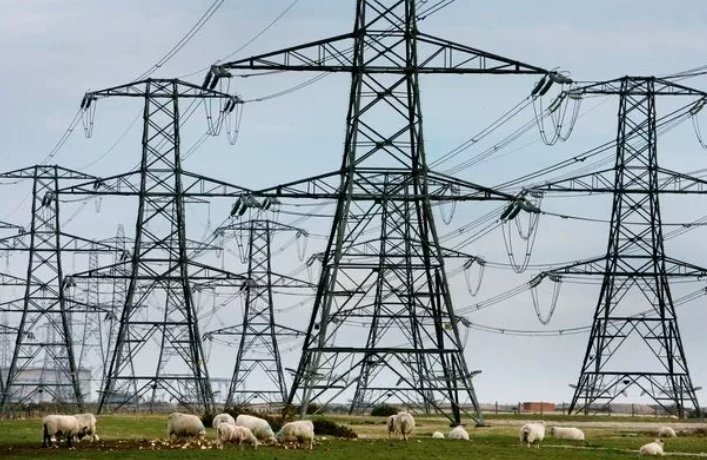
Nuclear Closures Widen the Power Gap
The decline in firm baseload capacity has fueled these grid issues, particularly since the closure of Hunterston B nuclear plant in early 2022. That station, operational for over 45 years, supplied reliable low-carbon electricity equivalent to powering every Scottish home for 31 years, helping balance the grid without the fluctuations of wind.
Now, with Torness, Scotland’s last nuclear station, set to shut down in March 2030, the country faces a deepening shortfall. Torness has avoided 101 million tonnes of CO2 emissions, enough to power all Scottish homes for 29 years. Its exit will leave Scotland more dependent on imports from England, especially on calm days when wind output drops.
Experts point to this gap as a key driver of constraint costs. In 2024, UK-wide balancing expenses topped £1.7 billion, with Scotland bearing the brunt. Without new firm power sources, projections suggest costs could climb to £1.8 billion or more in 2026, eroding gains from renewable expansion.
| Year | Scottish Constraint Payments (£ million) | Year-on-Year Change (%) | Total UK Balancing Costs (£ billion) |
|---|---|---|---|
| 2023 | 560 (Jan-Sep) | – | 1.5 |
| 2024 | 1,200 (full year) | +114 | 1.7 |
| 2025 | 770 (Jan-Sep), projected >1,200 (full) | +38 | >1.8 (projected) |
This table illustrates the rapid escalation, based on operator data and industry forecasts.
Push for New Nuclear to Boost Security
Industry leaders, including the Nuclear Industry Association, urge investment in new nuclear projects to provide stable, 24/7 power and cut wasteful payments. Tom Greatrex, the association’s chief executive, argues that Scottish consumers lose hundreds of millions yearly on costs that yield no jobs or energy, while nuclear could deliver all three.
Proposals include small modular reactors or larger plants in industrial areas like Hunterston, potentially creating thousands of jobs and attracting investments similar to Wales’ £900 million deal with the Sizewell C team. Unlike intermittent sources, nuclear offers price predictability, shielding bills from weather-dependent swings.
Recent events, such as the UK government’s abandonment of zonal pricing in July 2025, underscore the challenges. That plan aimed to reflect local supply and demand but was scrapped amid concerns it would hike northern bills further. Instead, calls grow for accelerated grid upgrades, like the Eastern Green Links cables, delayed until 2029-2030 due to past approvals.
- Key benefits of new nuclear in Scotland include: reliable baseload power reducing import needs; creation of 4,700+ jobs in construction and operations; avoidance of 100+ million tonnes of CO2 over decades; and stabilization of energy prices for households and businesses.
Grid Upgrades Offer Hope Amid Challenges
Efforts to expand transmission, such as subsea cables and new overhead lines, promise relief but face delays from planning and environmental reviews. The National Energy System Operator’s trials of local constraint markets aim to tap flexibility from batteries and demand response, potentially saving millions.
Yet, public backlash grows in areas like the Highlands, where wind farm expansions clash with grid limits, sparking protests over lost potential output. In 2025, over 5 TWh of clean electricity was curtailed across Great Britain, with Scotland accounting for nearly all, per recent analyses.
Balancing renewables with firm sources remains key. While wind and solar hit records this year, providing 38 percent of UK electricity, their variability demands backups. Gas plants often ramp up instead, adding emissions and costs, as seen in £252 million paid in early 2025 alone.
Looking ahead, the UK’s nine reactors currently supply 14 percent of electricity from 5.9 GW, but post-2030, only Sizewell B and incoming Hinkley Point C will operate. Scotland risks missing out without policy shifts, as ministers weigh economic revival against green targets.
As Scotland navigates these energy challenges, readers can help spread awareness by sharing this article and commenting on solutions like nuclear investment. What steps should leaders take to lower your bills?