

Scotland has made history with a groundbreaking test of a 3-in-1 clean energy system. The European Marine Energy Centre completed the world’s first demonstration that combines tidal power, battery storage, and hydrogen production into one working unit on the island of Eday in the Orkney Archipelago.
What Happened in the Landmark Test
This innovative trial took place at a research site known for pushing clean energy boundaries. Experts integrated three technologies that had never worked together before in a real-world setup.
The system used a tidal turbine to capture energy from ocean currents, batteries to store extra power, and equipment to turn that power into hydrogen fuel. This setup ran smoothly, showing how these pieces can balance each other out.
The test wrapped up in late 2025, proving the system could handle varying tidal flows while producing usable energy. Leaders from the project called it a big step toward reliable green power sources.
Officials noted that the demo validated the system’s flexibility under different conditions. It opens doors for similar setups in coastal areas worldwide.
Key Technologies Behind the System
At the heart of the test was Orbital Marine Power’s O2 tidal turbine, which harnesses strong sea currents to generate electricity. This device has a track record in Orkney waters, where tides move fast and predictably.
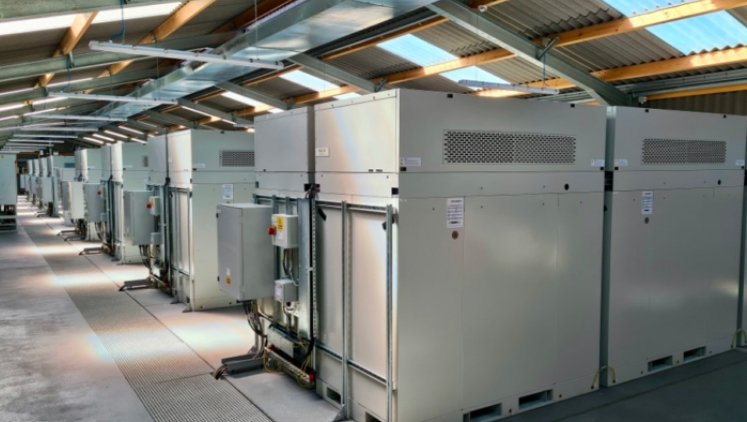
Next came Invinity Energy Systems’ vanadium flow batteries. These units store energy for longer periods than typical batteries, making them ideal for handling the ups and downs of tidal power.
An ITM Power electrolyzer rounded out the trio by converting stored electricity into hydrogen through a process that splits water molecules. This hydrogen can fuel vehicles or power grids later.
Together, these tools created a unified system that stored excess tidal energy as battery power or hydrogen. The setup showed real promise for remote islands like those in Scotland, where grid connections are limited.
Project backers included funding from the European Union and support from local groups. They aimed to optimize how tidal energy pairs with storage and other uses.
Why This Matters for Clean Energy Future
Scotland’s Orkney islands have long led in renewable innovations. This test builds on past successes, like generating hydrogen from tidal power back in 2017.
Experts say predictable tidal flows make this energy source reliable compared to wind or solar. Combining it with batteries and hydrogen solves storage issues that often hold back renewables.
The demo could inspire similar projects globally. Coastal nations might adopt this model to cut fossil fuel use and fight climate change.
- Reduces reliance on imported fuels by producing local hydrogen.
- Boosts energy security for isolated communities.
- Lowers carbon emissions through clean tech integration.
Logical next steps include scaling up for commercial use. Researchers plan to study long-term costs and efficiency gains.
Challenges and Lessons Learned
Integrating three complex technologies was not easy. Teams faced hurdles like syncing the turbine’s output with battery charging and hydrogen creation.
Weather and sea conditions in Orkney added real-world tests. The system had to withstand strong tides and variable power flows.
Despite these, the trial succeeded in all planned scenarios. It provided data on optimizing energy flow between components.
One key insight was the role of batteries in smoothing out tidal peaks. This prevents waste and ensures steady hydrogen output.
Future improvements might focus on cheaper materials or automated controls. The project team shared that monitoring tools helped track performance in detail.
Global Impact and Related Developments
This Scottish breakthrough ties into worldwide efforts to blend renewables. For example, recent projects in the US are testing flow batteries for grid storage.
In Europe, hydrogen production from offshore wind is gaining traction. Scotland’s test shows tidal power can join that mix effectively.
Here’s a quick look at similar clean energy milestones:
| Year | Location | Achievement |
|---|---|---|
| 2017 | Orkney, Scotland | First hydrogen from tidal energy |
| 2021 | Orkney, Scotland | Tidal turbine powers 2,000 homes |
| 2025 | Eday, Scotland | 3-in-1 tidal-battery-hydrogen system |
| 2025 | US | Flow battery tests for energy storage |
These steps highlight a trend toward hybrid systems. They address energy needs in a warming world.
As costs drop, such tech could spread to places like Canada or Australia with strong tides.
Looking Ahead to Wider Adoption
The successful demo paves the way for commercial versions. Backers hope to deploy larger systems by 2030, supporting Scotland’s net-zero goals.
Industry watchers predict this could create jobs in green tech. It also positions Scotland as a leader in marine energy.
Share your thoughts on this clean energy advance in the comments below. If you found this article helpful, pass it along to friends interested in sustainable innovations.