

Scotland’s water industry grapples with severe challenges from climate change and rising demand, as seen in the dry spells of 2025 that led to widespread scarcity warnings. Experts call for urgent legislative changes to build resilience in water, wastewater, and drainage systems across the nation.
Extreme Weather Hits Hard
Scotland saw its hottest and driest spring and summer on record in 2025. The Met Office reported warmer winters and drier summers ahead, with events like droughts and floods becoming more common. This year alone brought record low river levels, especially on the east coast.
The Scottish Environment Protection Agency issued multiple water scarcity alerts. In August, six areas reached significant scarcity, the highest alert level. Rivers like the Don and Tay faced moderate to critical conditions after months of below-average rain. Farmers and households felt the strain, with restrictions on water use to protect supplies.
These events highlight how climate shifts disrupt daily life. NatureScot predicts droughts will jump from once every 20 years to every three years by 2040. Scottish Water noted that over 2,300 properties now risk sewer flooding due to heavier rains.
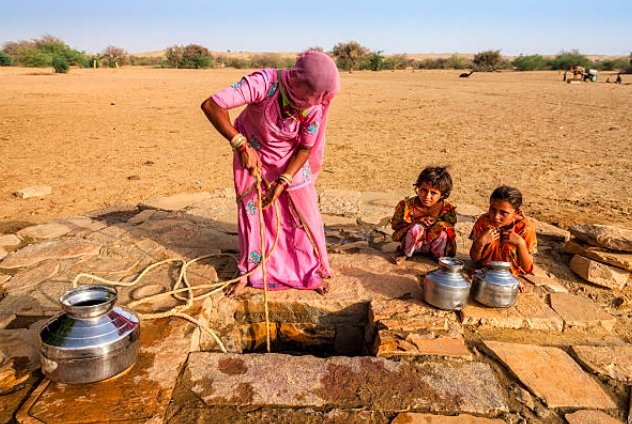
Water Scarcity Spreads Nationwide
Water scarcity warnings dominated headlines in 2025. SEPA reported 17 catchments at significant scarcity by September, a record high. The north-east, including rivers Avon, Spey, and Ythan, stayed in crisis mode even after storms brought some relief.
Households faced calls to cut use, as average daily consumption hit 178 liters per person, higher than in England and Wales. The government warned that by 2050, more than half of Scotland’s population could face scarcity during dry periods. In spring, temperatures soared 1.7 degrees above average, worsening the east coast drought.
Rural areas suffered most. Private wells dried up, forcing councils to deliver emergency water. This ties into broader issues like data centers guzzling millions of liters for cooling, sparking debates on resource allocation.
Experts point to poor infrastructure as a key factor. Aging pipes and limited reservoirs fail to handle extremes. Scottish Water’s long-term plan aims to fix this, but immediate action lags.
Rural and Island Struggles Intensify
Remote communities in Scotland deal with unique water woes. Islands and rural spots rely on private supplies, which often lack oversight. In 2025, low rainfall hit these areas hard, with treatment systems failing under pressure.
The blog series on water resilience notes that climate change amplifies risks here. Flooding from storms and scarcity from droughts threaten clean water access. Over 100,000 rural households use private systems, many without proper wastewater handling.
Government reports show delays in upgrades. For instance, net zero goals add strain, as emissions cuts require better infrastructure. Biodiversity suffers too, with ecosystems hit by pollution and low flows.
- Key rural challenges include:
- Limited access to public mains, leading to higher contamination risks.
- Higher costs for individual fixes during droughts.
- Vulnerability to extreme events, like the 2025 dry spell that emptied reservoirs.
These issues demand targeted reforms to ensure fair services everywhere.
Demand Grows Amid Population Shifts
Scotland’s population is on the move, boosting water needs. Urban growth and tourism spike consumption, while migration to rural areas strains local supplies. In 2025, development projects added pressure, with new homes and businesses pulling more from rivers.
Emerging contaminants from industry and homes pose new threats. Plastics and chemicals slip into waterways, complicating treatment. Scottish Water’s strategy flags this as a top concern, alongside urban runoff from heavy rains.
Here’s a table outlining major pressures on Scotland’s water resources:
| Pressure | Description | 2025 Impact Example |
|---|---|---|
| Extreme Weather | Droughts and floods from climate change | Record dry summer, low river levels |
| Water Demand | Rising use from population and development | 240 million liter daily deficit by 2050 projected |
| Pollution & Contaminants | Industrial waste and emerging chemicals | Increased treatment costs |
| Rural Supplies | Private systems in remote areas | Emergency deliveries in north-east |
| Infrastructure Aging | Old pipes and reservoirs unable to cope | Sewer flooding risks for 2,300 homes |
This data shows interconnected problems that legislation must address.
Calls for Urgent Reforms
The Scottish Government pledged a policy review in 2025 to tackle these issues. Focus areas include updating laws for better planning and resilience. A new human rights bill may enshrine access to clean water, especially for rural users.
Scottish Water’s 25-year plan stresses collaboration. It pushes for less waste, smarter use, and infrastructure upgrades. Yet, critics slam the cabinet for not discussing scarcity enough this year, calling it a dereliction of duty.
Recent events, like the Rosebank oil field debate, link to water risks. Sediment from increased rain could harm rivers, tying into broader climate goals. Experts urge faster changes to avoid future crises.
This push for reform comes at a critical time. With 2025’s droughts as a wake-up call, Scotland must act to protect its vital resource.
Readers, what do you think about these water challenges? Share your experiences in the comments and spread the word to raise awareness.


