
Scotland is transforming its rail system with major electrification projects, fleet improvements, and fare reductions set to change how people move around the country. Starting in late 2025, these changes aim to make trains faster, cleaner, and cheaper for everyone from daily commuters to visitors exploring scenic routes.
Key Electrification Projects Underway
Scotland has pushed forward with electrifying key rail lines to cut down on diesel use and speed up travel. The East Kilbride line, a busy route linking the town to Glasgow, closed briefly in January 2025 for upgrades and reopened in May with full electric service. This 140 million pound project added overhead lines, extended passing loops, and built a new station at Hairmyres.
Work on the Fife Circle and Borders Railway started in September 2025, backed by 342 million pounds from the government. These efforts will cover about 140 kilometers, bringing electric trains to more areas. Battery electric trains will fill gaps where full wiring is not yet complete, ensuring smooth rides.
Electric tracks now make up a growing share of the network, with costs dropping thanks to a steady program of work. Network Rail reports savings of up to 26 percent compared to similar projects elsewhere in the UK.
Fleet Upgrades for Modern Journeys
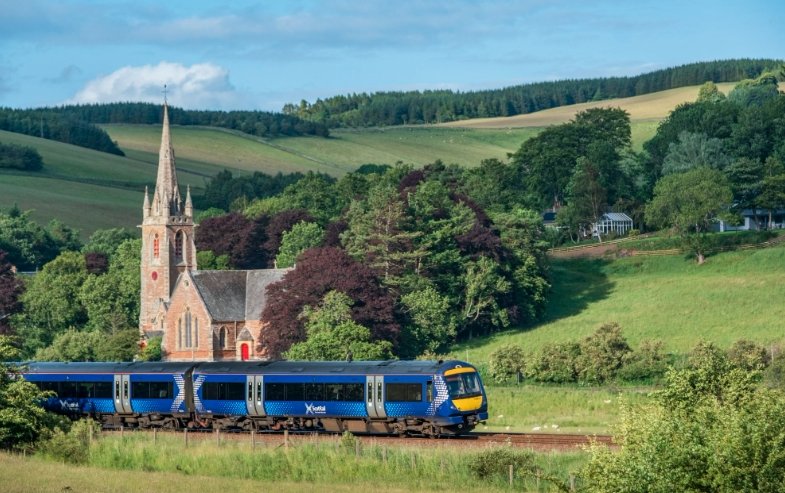
New trains are a big part of the push to refresh Scotland’s rail fleet. ScotRail plans to spend 395 million euros on 69 electric and battery electric trains by 2028. These will replace older diesel models on routes like Fife and Borders, offering more seats and better reliability.
The upgrades focus on sustainability, with trains designed to run on battery power for short stretches without overhead lines. This mix helps Scotland meet its goal of zero carbon passenger rail by 2035, a plan first outlined in 2020.
- Faster acceleration for quicker trips between stops.
- Quieter rides that reduce noise pollution in rural areas.
- More space for bikes and luggage, perfect for tourists.
Passengers have already seen benefits on lines like Barrhead, where electric trains started running in November 2023. The new fleet will expand this to more routes, making travel smoother for all.
Fare Cuts to Make Rail More Affordable
Scotland made a bold move by scrapping peak fares permanently from September 1, 2025. This change lets people travel at any time without extra costs, saving commuters hundreds of pounds a year. For example, a daily trip from Hamilton to Glasgow now costs less, with annual savings up to 760 pounds.
While fares rose by 3.8 percent in April 2025 to keep services running, the peak removal offsets much of that for many users. Season tickets stay discounted by 20 percent until September 2025, and flexipass options expanded to more stations like Perth and Stirling.
These steps aim to draw more riders back to trains after years of rising costs elsewhere in the UK. Government leaders say it supports families facing high living expenses, while encouraging shifts from cars to public transport.
| Route | Old Peak Fare (Round Trip) | New Anytime Fare (Round Trip) | Annual Savings for Daily Commuter |
|---|---|---|---|
| Hamilton to Glasgow | 15 pounds | 10 pounds | 760 pounds |
| Larkhall to Glasgow | 18 pounds | 12 pounds | 910 pounds |
| Airdrie to Edinburgh | 20 pounds | 14 pounds | 840 pounds |
Benefits for Locals and Tourists
These rail changes are set to reshape daily life and vacations in Scotland. Locals get reliable, low cost options for work and errands, easing traffic on roads. Tourists can hop on trains to see places like the Highlands or Edinburgh without worrying about high fares or emissions.
Scenic routes through hills and coasts become more appealing with greener trains. Visitors from abroad praise the affordability, noting how it fits with Scotland’s eco friendly image. Recent surveys show a 15 percent jump in rail use since peak fares ended, boosting local economies.
The strategy ties into broader trends, like the UK’s focus on sustainable transport amid climate talks in 2025. It positions Scotland as a leader in green travel, drawing more people to its natural beauty.
Environmental and Economic Wins
Electrifying rails and cutting diesel use will slash emissions by thousands of tons each year. This supports Scotland’s net zero targets and improves air quality in cities like Glasgow. Economically, the investments create jobs in engineering and maintenance, with over 500 positions added in 2025 alone.
Challenges remain, such as power supply upgrades, but progress is steady. The government has committed 120 million pounds for electricity improvements, ensuring the network can handle more electric trains.
Looking Ahead to 2026 and Beyond
Plans for 2026 include more electrification on routes like Whifflet and further fleet rollouts. Experts predict this will make rail the top choice for cross country trips, reducing car dependency.
With these steps, Scotland is building a rail system that serves people and the planet. Share your thoughts on these changes in the comments, and pass this article along to friends planning a trip