
Scotland just made history. Families will soon have a third choice beyond burial or flame cremation: water cremation, an eco-friendly process officially known as alkaline hydrolysis. On Monday, the Scottish Parliament passed new regulations that make Scotland the first place in the United Kingdom to allow this gentle, green alternative.
This is the biggest shake-up in Scottish funeral law in over 120 years.
What Exactly is Water Cremation?
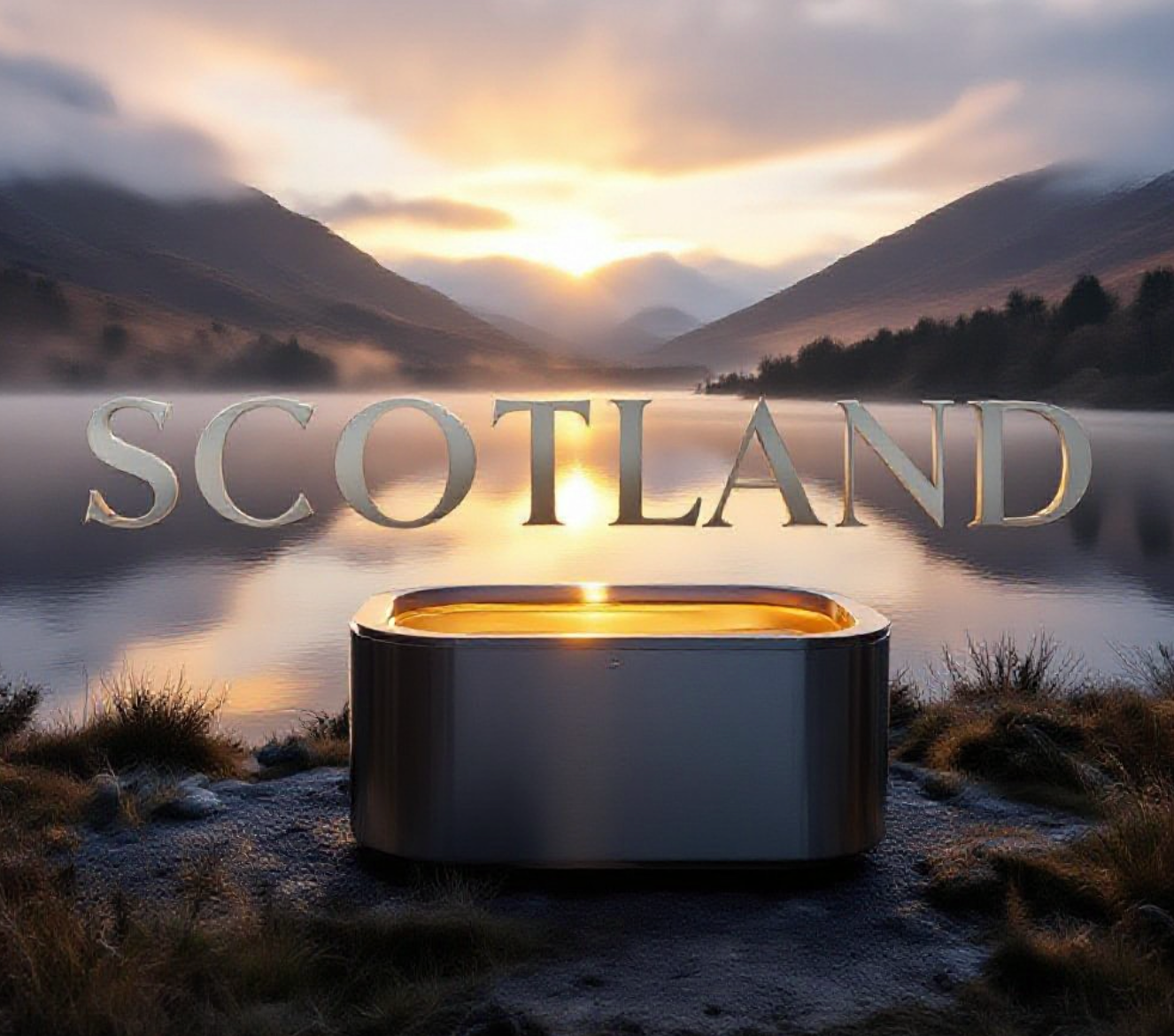
Water cremation, sometimes branded as resomation, uses warm water mixed with a small amount of potassium hydroxide to gently break down the body. The process takes place inside a sealed stainless-steel vessel.
Soft tissue dissolves completely in three to four hours. Bones remain intact, exactly as they do in flame cremation. Those bones are then rinsed, dried, and crushed into fine white ash that families receive in an urn.
The leftover liquid is sterile and contains amino acids, peptides, sugars and salts. It is safely returned to the water cycle, just like treated wastewater.
Why Scotland Said Yes
Public health minister Jenni Minto told MSPs there had been “significant public support” for more choice. Surveys show around 80 per cent of Scots are open to the idea once they understand it.
The environment was the deciding factor.
Flame cremation releases roughly 245 kg of CO₂ per body, plus mercury from dental fillings. Water cremation cuts energy use by up to 90 per cent and produces zero mercury emissions. The carbon footprint drops to around 35 kg, roughly the same as a person driving 200 miles.
Co-op Funeralcare, Britain’s largest funeral director, has already installed the UK’s first resomation unit in Scotland and says demand is growing fast.
How the Process Works Step by Step
- The body arrives at the funeral home in the usual way. Families can still hold viewings and services.
- The body, still in a silk or wool shroud, is placed in the resomation machine.
- Warm water (around 150-160 °C) and a small amount of alkaline solution circulate gently.
- After three to four hours only the bones remain.
- Bones are rinsed at 120 °C, dried, and processed into ash in a cremulator.
- Families receive noticeably more ash, bright white instead of grey, and the liquid by-product is safely disposed of.
The entire process uses about the same electricity as a typical household in one day.
Will Other Parts of the UK Follow?
England and Wales are watching closely. The Law Commission recommended legalising water cremation in 2021, but Westminster has not yet acted. Northern Ireland is also considering it.
In Scotland, the first facilities are expected to open within months. Prices are likely to sit between standard cremation and woodland burial, around £4,000-£5,500 depending on the package.
Some faith groups have raised concerns, but major Christian denominations, including the Church of Scotland, have said they have no objection in principle. Muslim and Jewish leaders are still studying the process.
A Quieter, Kinder Goodbye
For many families, the appeal is emotional as well as environmental. There is no fire, no smoke, no harsh chemicals burning. Just warm water and time.
One Scottish woman who pre-registered for resomation told the BBC: “My mum always hated the idea of being burned. This feels peaceful, like going back to the earth gently.”
Scotland has once again shown it is willing to lead when it comes to dignity in death. From legalising cremation in 1902 to becoming the first part of the UK to offer water cremation in 2025, the message is clear: choice matters, and the planet matters.
What do you think about water cremation? Would you choose it for yourself or a loved one? Drop your thoughts in the comments below.