
Experts in Scotland are raising urgent alarms about climate change damaging the nation’s cherished historic sites. Rising seas, heavier rains, and warmer temperatures are speeding up decay at places like Skara Brae and Blackness Castle, with 281 site closures reported in 2025 alone.
Rising Threats to Scotland’s Heritage
Scotland’s historic landmarks face growing dangers from climate shifts. Officials from Historic Environment Scotland warn that warmer winters and increased storms are eroding these cultural treasures faster than ever.
This year, 2025, marked a record for weather related issues. Sites closed or restricted access 281 times due to storms, floods, and decay. That’s the highest in a decade, showing how quickly problems are building.
Experts link these changes to human caused carbon pollution. Sea levels around the UK have risen over seven inches since 1900, with the pace quickening in recent decades. Scotland’s last 10 winters were 25 percent wetter than the 1961 to 1990 average.
Nathalie Lodhi, head of climate change at Historic Environment Scotland, explained that unroofed sites struggle to handle extra water. This leads to more mold, structural harm, and safety risks for visitors.
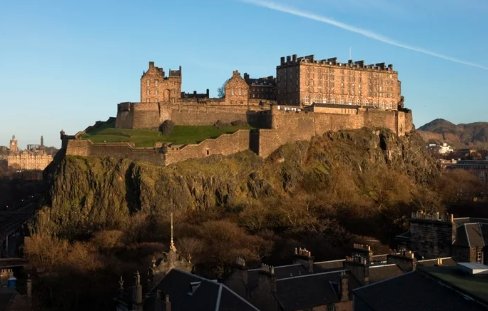
Key Sites Under Pressure
Iconic locations like the Neolithic village of Skara Brae on Orkney are at high risk. Rising seas and erosion threaten to wash away this 5,000 year old World Heritage site.
Blackness Castle, a medieval fortress on the Firth of Forth, also faces coastal flooding. Storms have already caused damage, forcing emergency repairs.
Other spots, such as Caerlaverock Castle in the southwest, show past lessons. Built in the 13th century, it was abandoned after repeated floods from storms, a pattern that could repeat today.
Historic Environment Scotland manages over 300 properties. Many are open air ruins, making them vulnerable to extreme weather. Projections suggest coastal erosion could affect hundreds more sites in the next 25 years.
Climate Trends Fueling the Crisis
Scotland’s climate is changing fast. The 10 warmest years on record all happened in the last three decades. This warmth brings more rain and intense storms.
In 2025, the UK saw its hottest year yet, according to the Met Office. This ties into global patterns, with events like severe floods in Europe highlighting the broader emergency.
Researchers predict sea levels will keep rising, putting low lying coastal heritage at stake. Warmer air holds more moisture, leading to heavier downpours that speed up stone decay.
Adaptation efforts are underway, but challenges remain. Historic Environment Scotland’s plan from 2020 to 2025 aimed to build resilience, yet the pace of change outstrips some measures.
- Increased precipitation: Up 25 percent in recent winters, causing faster erosion.
- Temperature rise: Leading to mold and humidity issues in old buildings.
- Storm frequency: More intense events mean frequent repairs and monitoring.
Efforts to Protect and Adapt
Historic Environment Scotland is pushing for action. They released a consultation on adapting sites, including possible hands off approaches for some properties.
This could mean letting nature take its course at less viable spots while focusing resources on key ones. It’s a tough choice, but experts say not everything can be saved.
Community involvement is key. Virtual tours, like the digital model of Skara Brae, help educate on climate impacts without risking physical visits.
Global ties matter too. Scotland’s issues mirror those in other nations, from Venice’s sinking to Australia’s reef bleaching. Sharing strategies could help.
| Site | Main Threat | 2025 Closures |
|---|---|---|
| Skara Brae | Coastal erosion and rising seas | 45 |
| Blackness Castle | Flooding and storms | 32 |
| Caerlaverock Castle | Storm damage | 28 |
| Other ruins | Decay from rain and heat | 176 |
Looking Ahead to Solutions
Long term fixes include better drainage, reinforced structures, and monitoring tech. Funding is crucial, with calls for more government support.
Public awareness drives change. By understanding these risks, people can push for lower emissions and stronger protections.
Experts stress urgency. Without swift action, Scotland could lose pieces of its past forever. This affects tourism, education, and cultural identity.
What do you think about these climate threats to historic sites? Share your thoughts in the comments and spread the word to raise awareness.