

Scotland’s government has decided not to lower the national speed limit on single carriageway roads from 60 mph to 50 mph, following strong opposition in a major public consultation. The move, announced on December 15, 2025, by Transport Cabinet Secretary Fiona Hyslop, comes after reviewing over 19,500 responses and aims to balance road safety with practical travel needs.
This decision marks a shift from initial proposals in the National Speed Management Review, which sought to cut deaths and injuries on Scotland’s roads. Instead, officials will focus on raising speed limits for heavy goods vehicles while studying other options to improve safety without broad restrictions.
Public Feedback Shapes Policy Shift
The consultation, which ran until March 5, 2025, drew widespread input from drivers, businesses, and safety groups. Nearly 80 percent of respondents supported keeping the current 60 mph limit on single carriageways, citing concerns over longer journey times and economic impacts in rural areas.
Experts note that Scotland’s road fatality rate has dropped in recent years, with 141 deaths reported in 2024, down from 171 in 2022. However, single carriageway accidents still account for about 40 percent of serious incidents, prompting the review.
Hyslop highlighted the value of public views in her statement, emphasizing that one road death remains too many. The government plans further analysis on how speed changes could affect different road types, including high-quality routes like parts of the A9.
This approach reflects lessons from a successful A9 trial, where higher HGV speeds reduced crashes by improving traffic flow.
No Change for Cars, But HGVs Get a Boost
For everyday drivers, the status quo holds on single carriageways, avoiding what critics called a blanket slowdown that could hurt tourism and commerce in remote regions.
The review proposed dropping the limit to 50 mph to align with global safety standards, but feedback showed it might increase frustration and risky overtaking.
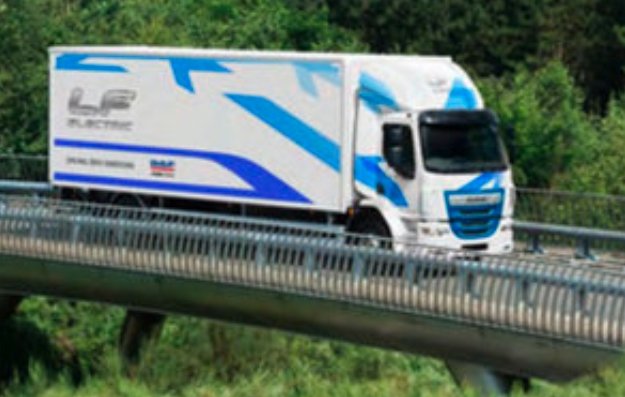
In contrast, heavy goods vehicles over 7.5 tonnes will see increases: from 40 mph to 50 mph on single carriageways and 50 mph to 60 mph on dual ones. This aims to narrow the gap with faster traffic, cutting tailgating and improving reliability.
Similar changes in England and Wales since 2015 have led to fewer collisions, with data showing a 10 percent drop in HGV-involved accidents on affected roads.
Officials expect these adjustments to save lives without major delays, building on Scotland’s Road Safety Framework goal of zero fatalities by 2030.
Key Impacts on Road Safety and Travel
Raising HGV limits could transform daily commutes and freight transport. By matching speeds closer to cars, it reduces bunching and overtaking dangers, which cause many rural crashes.
Recent data from Transport Scotland indicates that speed differentials contribute to 25 percent of serious incidents on single carriageways.
Here are some projected benefits:
- Fewer frustration-induced errors, like unsafe passing.
- Shorter journey times for trucks, boosting supply chain efficiency.
- Lower emissions from smoother traffic flow, aiding environmental goals.
However, safety advocates warn that enforcement remains key, with average speed cameras already proving effective on routes like the A9.
The government will monitor these changes closely, using real-time data to assess casualty reductions.
Broader Context in UK Road Policies
This update aligns with UK-wide efforts to modernize speed rules. For instance, Wales introduced default 20 mph limits in built-up areas in 2023, cutting casualties by 20 percent in early reports.
In Scotland, urban 20 mph zones expanded in 2024, covering over 35,000 road sections and costing £45 million, yet facing mixed reviews for slowing city traffic.
| Aspect | Original Proposal | Final Decision | Expected Outcome |
|---|---|---|---|
| Single Carriageway Limit (Cars) | Reduce to 50 mph | No change (60 mph) | Maintains journey times; further study on safety |
| HGV Single Carriageway | Increase to 50 mph | Proceed with increase | Reduces speed gaps; improves flow |
| HGV Dual Carriageway | Increase to 60 mph | Proceed with increase | Enhances reliability; potential casualty drop |
| Consultation Responses | Over 19,500 | 80% against car limit cut | Policy shaped by public input |
These comparisons show a targeted strategy, prioritizing evidence over sweeping reforms.
Critics, including opposition figures, argue the initial plan ignored rural needs, while supporters praise the flexible response.
What Happens Next for Scottish Drivers
Work begins immediately on HGV changes, with potential rollout by late 2026 after regulatory steps. Further single carriageway studies could lead to tailored limits on high-risk sections.
This fits into broader 2025 transport trends, like electric vehicle incentives and infrastructure upgrades, all aimed at safer, greener roads.
Drivers should stay informed through official channels, as minor adjustments might still emerge from ongoing reviews.
What do you think about these changes? Share your thoughts in the comments and pass this article along to fellow road users for more discussion.