
Scotland’s resident doctors have called off a planned four-day strike set to start on Tuesday, after reaching a new pay agreement with the government. The British Medical Association union now backs the deal and urges members to accept it, avoiding major disruptions to patient care across the National Health Service.
Background on the Dispute
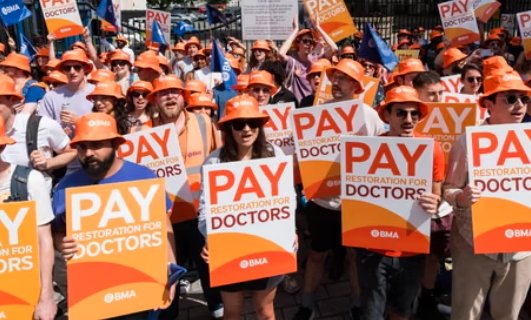
Resident doctors, who form about 42 percent of Scotland’s medical workforce, had voted strongly for strike action last month. They accused the government of failing to honor past promises on pay restoration, leading to the first potential national walkout by these doctors.
This group includes everyone from fresh graduates to those with over a decade of experience. Their frustration stemmed from years of pay erosion, with real terms cuts since 2008. The planned strike would have run from Tuesday to Saturday, impacting appointments and surgeries.
Union leaders highlighted how pay issues have driven many doctors to leave the profession or move abroad. This dispute echoes similar tensions in other parts of the UK, where doctors have staged multiple strikes in recent years.
Details of the New Pay Offer
The fresh offer includes a 4.25 percent rise for 2025-26 and a 3.75 percent increase for 2026-27. This matches deals already accepted by nurses and other health workers, which doctors had rejected before.
A key addition is a package of contract reforms. This moves doctors up the pay scale faster, boosting overall earnings. The union calculates this equals an average 9.9 percent uplift by the end of 2025-26 and 9.4 percent for 2026-27.
For example, a new doctor’s basic pay would climb from 34,500 pounds to 37,345 pounds by 2026-27. Someone with 10 years of experience would see their salary rise from 71,549 pounds to 77,387 pounds.
The total cost of the deal, including reforms, stands at 133 million pounds over two years. Health Secretary Neil Gray called it great news, noting it followed intense talks.
Here is a breakdown of the pay impacts:
| Experience Level | Current Basic Pay (Pounds) | Projected Pay by 2026-27 (Pounds) | Effective Uplift Percentage |
|---|---|---|---|
| Newly Qualified | 34,500 | 37,345 | 8.2% |
| 5 Years | 50,000 | 54,000 | 8.0% |
| 10 Years | 71,549 | 77,387 | 8.1% |
Government and Union Reactions
Health Secretary Neil Gray praised the agreement as a fair outcome that protects services. He stressed that no one wanted the strike, which could have canceled thousands of procedures and harmed patients.
The British Medical Association plans to ballot members soon, recommending acceptance. A union spokesperson said the deal uses strike leverage to secure better terms, building on past negotiations.
This avoids the substantial disruption warned about last week. Officials had predicted delays in critical care, similar to effects seen in England’s doctor strikes.
Broader Impact on NHS Scotland
The resolution comes amid ongoing pressures on Scotland’s health system, including long waiting lists and staff shortages. Resident doctors handle much of the frontline work, so their stability is vital.
Recent data shows NHS Scotland performed over 1.2 million outpatient appointments last quarter, but strikes could have slashed that by up to 20 percent. This deal may help retain talent, as surveys indicate pay is a top reason for burnout.
Compared to 2023, when Scottish doctors accepted a 17.5 percent two-year deal without striking, this builds on that progress. It contrasts with England’s ongoing disputes, where strikes have caused over a million canceled appointments since 2022.
Patient groups welcomed the news, urging quick implementation to focus on recovery.
What Happens Next
The ballot will decide if members approve the offer. If accepted, pay changes start soon, with backdated elements possible.
Talks may continue on long-term pay restoration, aiming to match 2008 levels adjusted for inflation. The government committed to this in prior deals.
Experts predict this could set a tone for other public sector negotiations in 2026, amid budget constraints.
- Key steps ahead: Union ballot opens next week, results expected by late January.
- Potential outcomes: Acceptance would lock in raises; rejection might restart strike plans.
- Broader advice: Doctors should review personal pay impacts via union tools.
We want to hear from you. Share your thoughts on this deal in the comments below, and spread the word by sharing this article with others interested in health news.