

Scotland has launched its first cross-border operations team at the Rail Control Centre in Glasgow. This move brings together train operators to boost performance on routes between Scotland and England, starting just before the new December 2025 timetable.
Team Setup and Goals
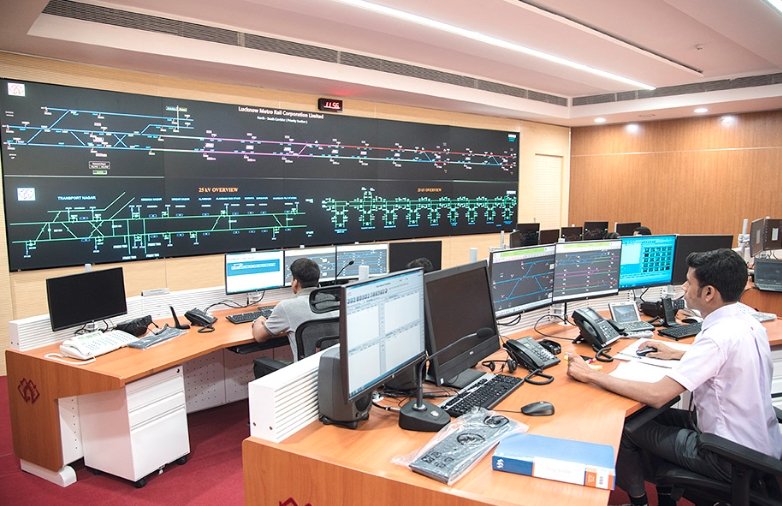
The new team includes service managers from major operators like LNER, Avanti West Coast, TransPennine Express, and CrossCountry. They work around the clock in a modern control room that handles over 2,000 trains daily.
This setup aims to fix issues faster during disruptions. It builds on existing teamwork with groups like ScotRail and the British Transport Police. Leaders say it will make decisions quicker and keep services reliable for passengers and freight.
The control centre, built for £200 million, now hosts these experts to focus on Anglo-Scottish lines. This change comes as rail travel grows, with more services planned on key routes like the East and West Coast Main Lines.
Impact on Train Services
Passengers can expect fewer delays on trips between cities like Glasgow, Edinburgh, and London. The team strengthens links between control rooms in Glasgow, York, Birmingham, and Manchester.
Recent data shows rail performance in Scotland has improved, with punctuality rates above the UK average in some periods. This launch ties into broader efforts to handle seasonal challenges and boost network resilience.
Operators report that real-time coordination will help during bad weather or other issues. For example, journeys to Scotland might see less disruption, as seen in recent updates where services ran normally despite planned strikes.
Here are key benefits for travelers:
- Faster fixes for delays on cross-border routes.
- Better communication among operators for smooth operations.
- Improved handling of high-traffic periods, like holidays.
Broader Rail Improvements in Scotland
Scotland’s railway has seen big changes lately. The government has funded electrification of lines in Borders, Fife, and Glasgow areas. New trains and extended services are part of this push.
Officials highlight that no single group can improve things alone. It takes shared work to make the network safe and efficient. This team shows that spirit in action.
Recent stats from government reports show rising passenger numbers, with millions using stations like Glasgow Central each year. The focus is on growth, with plans for thousands of extra services on main lines.
| Recent Rail Upgrades | Details | Impact |
|---|---|---|
| Electrification Projects | Borders, Fife, and suburban Glasgow routes | Reduces emissions and speeds up travel |
| New Timetable | Starts December 14, 2025 | Adds more services on East Coast Main Line |
| Performance Data Display | Planned at stations | Helps passengers track operator reliability |
| Seasonal Operations | £6.4 million program | Prepares for intensive weather challenges |
Challenges and Future Outlook
While the launch is positive, challenges remain. Crowded trains and weather issues still affect services. For instance, some routes see standing passengers during peak times.
Experts note that collaboration is key to overcoming these. The team will monitor performance daily and adjust as needed. With rail playing a big role in daily life, these steps aim to support businesses and communities.
Looking ahead, more reforms are expected. This includes flexible planning and better governance for the UK’s rail system. Scotland’s efforts could set an example for other regions.
What This Means for Passengers
Travelers benefit from a more joined-up approach. It means reliable trips for work, visits, or leisure. As rail use grows, these changes help meet demand.
Industry voices praise the move as a step toward better service. It shows commitment to fixing long-standing issues in cross-border travel.
Share your thoughts on this rail upgrade in the comments below. Have you noticed better train performance lately? Let us know and spread the word to fellow travelers.