

Senior politicians in Scotland warn that a new assisted dying bill could draw terminally ill people from other UK areas, sparking fears of death tourism. The cross-party group, including Deputy First Minister Kate Forbes, points to looser rules in the Scottish proposal compared to stricter plans for England and Wales, as the bill moves through Holyrood with a final vote expected soon.
Key Concerns from Cross-Party Leaders
A group of MSPs from different parties has voiced strong worries about the Assisted Dying for Terminally Ill Adults (Scotland) Bill. They say the bill’s rules might attract people unhappy with tighter limits elsewhere in the UK.
Kate Forbes, the SNP deputy first minister, joined Labour’s Michael Marra and Conservative Edward Mountain in a joint statement. They called the safeguards in the bill seriously lacking and warned it could lead to people dying who still want to live. Mountain, who recently shared his own bowel cancer diagnosis, stressed the risk of outsiders seeing Scotland as an easier place to end life.
The group released their concerns on Human Rights Day, urging lawmakers to think hard before voting. They argue the bill needs better protections to stop abuse or rushed choices.
Forbes highlighted how the bill allows access without a strict time limit on life expectancy. This differs from other regions and could pull in those facing long suffering but not near death.
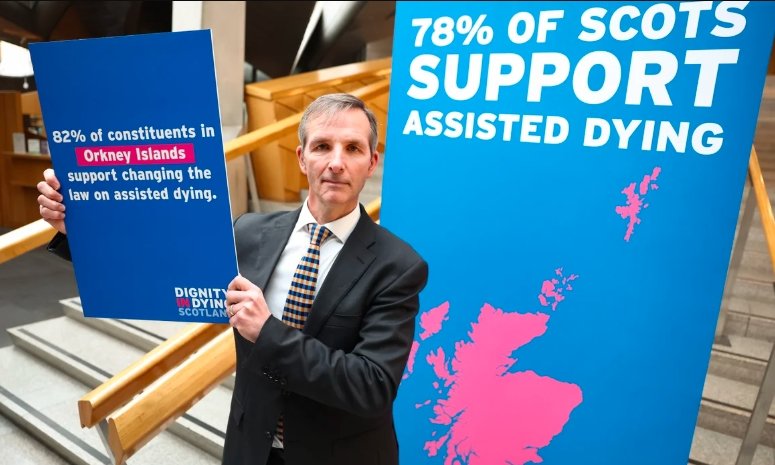
Details of the Scottish Assisted Dying Proposal
The bill aims to let terminally ill adults in Scotland choose assisted dying under certain conditions. It requires people to have lived in Scotland for at least a year and suffer from an advanced, progressive illness with no recovery possible.
Introduced in 2024, the bill passed its first stage in February 2025 after MSPs voted to move it forward. The Health, Social Care and Sport Committee now leads the review, gathering evidence through sessions.
Supporters say it gives dignity and choice to those in pain. Critics fear it opens doors to misuse, especially without a six-month life expectancy rule like in other places.
The Scottish Parliament set a deadline of May 23, 2025, to finish stage one. A final vote could come as early as March 2026 if debates speed up.
Recent updates show the bill might take effect years before similar laws in England and Wales, adding to the tourism concerns.
How It Compares to England and Wales Plans
Scotland’s bill stands out for its broader access, lacking the strict timeline in the UK-wide proposal. This difference fuels worries about people moving north for easier options.
Here is a quick comparison of key features in the two bills:
| Feature | Scottish Bill | England and Wales Bill |
|---|---|---|
| Residency Requirement | At least 1 year in Scotland | Ordinarily resident in England/Wales |
| Life Expectancy Limit | No specific time limit | Within 6 months of death |
| Eligibility | Advanced, progressive terminal illness | Terminal illness with 6-month prognosis |
| Implementation Timeline | Could start in 2026 or 2027 | Up to 4 years after passage |
This table shows why some experts think Scotland could become a go-to spot. The UK bill, led by MP Kim Leadbeater, is under review in the House of Lords and faces its own debates.
Logical reasoning suggests that without matching rules, border issues might arise. For instance, someone with a slow-progressing disease could relocate to Scotland for access denied elsewhere.
Expert Views on Death Tourism Risks
Medical ethics experts have weighed in on the potential for death tourism. Dr. Claudia Carr from the University of Hertfordshire noted that Scotland’s approach creates a more positive climate for assisted dying.
She explained that terminally ill Britons might move to Scotland to qualify, especially if they face long waits or denials in England. This could strain Scottish health services and raise ethical questions.
Other analysts point to global examples, like how some travel to Switzerland for similar reasons. They warn Scotland must add checks to prevent abuse.
Carr’s input aligns with politician fears, adding weight to calls for tighter rules. Discussions in parliament briefings also touch on human rights, noting that assisted dying must include strong consent safeguards to meet European standards.
Public Reactions and Broader Impacts
Public opinion on the bill is split, with some seeing it as a step toward compassion and others worried about vulnerable groups. Social media shows a mix of support and concern, from those praising choice to critics fearing state overreach.
Key reactions include:
- Supporters argue it ends needless suffering for those with no hope.
- Opponents worry about pressure on disabled or elderly people to choose death.
- Health groups call for more funding in palliative care as an alternative.
Recent events, like the UK bill’s progress, tie into this debate. In 2025, similar talks in other countries, such as Canada reviewing its laws, highlight global trends and risks.
The bill could affect Scotland’s healthcare system, potentially increasing demand for end-of-life services. It also raises questions about UK unity on sensitive issues.
What Happens Next for the Bill
The bill heads to more committee scrutiny, with evidence sessions ongoing. MSPs will debate and vote on principles soon, deciding if it advances.
If passed, it could set a precedent for the UK, but changes might address tourism fears. Lawmakers urge careful thought to balance rights and protections.
As this story develops, share your thoughts in the comments below. What do you think about assisted dying rules? Spread the word by sharing this article with others interested in the debate.