

Scotland’s aquaculture sector saw a sharp rise in economic output in 2023, with gross value added jumping 30 percent to £468 million from £361 million the year before. New government data released on December 12, 2025, shows turnover reached £1.2 billion, making the industry a key player in the nation’s marine economy.
Key Economic Gains in 2023
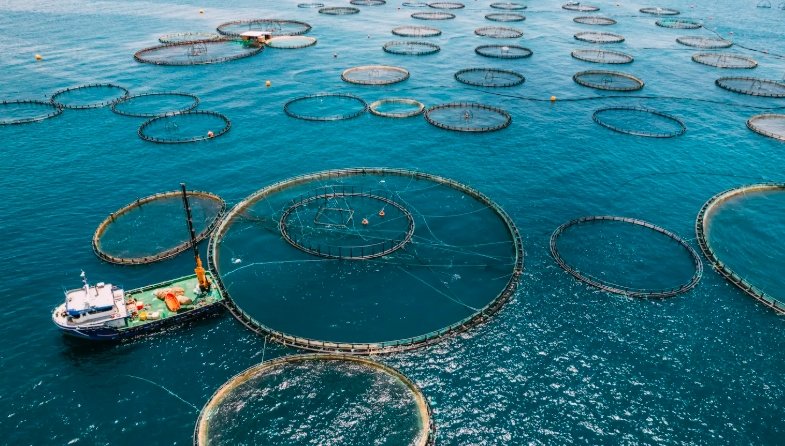
The sector’s growth highlights its strength amid global challenges. Aquaculture now accounts for nearly 10 percent of Scotland’s total marine economy, which stood at £5.6 billion last year. Salmon farming leads the way, making up about 95 percent of output. This surge comes from higher production and strong demand both at home and abroad.
Experts point to better farming methods and rising exports as main drivers. For instance, exports to markets like the United States and Asia have grown, boosting overall revenue. The industry has also invested in sustainable practices, which help meet consumer needs for healthy food options.
Over the past decade, the sector’s value has more than tripled in some measures. From 2014 to 2023, gross value added rose by 37 percent. This steady climb shows aquaculture’s role in supporting rural areas, especially in the Highlands and islands.
How Aquaculture Stacks Up Against Other Industries
Scotland’s marine sectors vary in their contributions, but aquaculture stands out for its productivity. It generates over £212,000 in value per employee, far above many other fields. In comparison, oil and gas lead with £2.4 billion, followed by marine tourism at £699 million and shipbuilding at £540 million.
Fishing, another key area, brought in £394 million, less than aquaculture. This shift marks a change toward farmed products over wild catch. Recent reports note that aquaculture helps fill gaps left by declining fish stocks in some regions.
| Sector | GVA in 2023 (£ million) | Employment |
|---|---|---|
| Aquaculture | 468 | 2,200 |
| Oil and Gas | 2,400 | 15,000 |
| Marine Tourism | 699 | 12,500 |
| Shipbuilding | 540 | 8,000 |
| Fishing | 394 | 4,800 |
This table shows aquaculture’s solid position. It employs fewer people directly but creates high-value jobs. Broader impacts include supply chains that add even more to the economy.
Jobs and Community Benefits
Aquaculture directly employs about 2,500 people in Scotland. It supports another 11,000 jobs through suppliers and related businesses. Many of these roles are in remote areas, providing stable work where options are limited.
Recent studies estimate the full economic boost at around £1 billion yearly. This includes effects on transport, feed production, and equipment makers. Communities benefit from investments in local infrastructure, like ports and roads.
- High-paying jobs: Average salaries in the sector often exceed national averages.
- Rural support: Farms in the Highlands create opportunities for young people to stay local.
- Export power: Scottish salmon is the UK’s top food export, reaching over 50 countries.
These points underline the industry’s role in fighting depopulation in coastal regions. Leaders say continued growth could add thousands more jobs in the coming years.
Challenges and Sustainability Efforts
Despite the gains, the sector faces hurdles like environmental concerns and rising costs. Critics worry about impacts on wild fish and water quality. In response, farms have adopted better monitoring and waste reduction tech.
Government regulations aim to balance growth with protection. For example, new rules focus on fish health and lower chemical use. Industry groups report survival rates improving, with fewer losses in recent months.
Looking ahead, experts predict steady expansion if global demand for protein rises. Ties to climate goals, like reducing carbon footprints, could open new markets. Recent events, such as international trade deals, have helped offset Brexit-related export dips.
Industry Voices and Future Outlook
Tavish Scott, head of a major salmon group, praised the figures. He noted that they show only part of the story, with exports and supply chains adding more value. He stressed the sector’s high standards in welfare and environment.
Other leaders echo this view, calling for more support to keep the momentum. With global aquaculture growing, Scotland aims to stay a leader through innovation.
The outlook remains positive, with projections for further increases in 2024 and beyond. As consumer trends favor sustainable foods, the industry could see even higher turnover.
What do you think about Scotland’s aquaculture growth? Share your thoughts in the comments and pass this article along to spark discussion.