

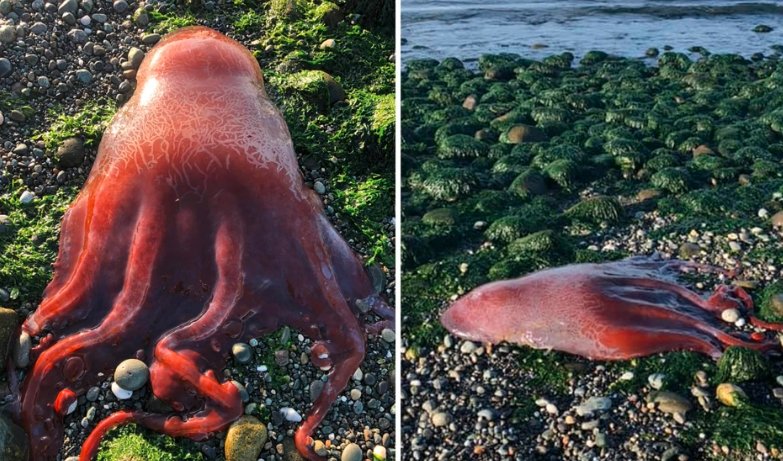
A rare deep-sea creature known as a seven-legged octopus washed up in fragments on a beach in Aberdeenshire, Scotland, late last month, puzzling experts and locals alike. The discovery along the Ythan estuary near Forvie National Nature Reserve has sparked interest in marine biology, as this elusive animal usually lives thousands of feet below the ocean surface.
Discovery Shocks Beachgoers
The unusual find happened in late November 2025, when walkers spotted scattered pieces of the octopus on the sandy shores of the Ythan estuary. Initial reports described thick tentacles and body parts spread out over the area, leading to quick alerts to local wildlife experts.
Rangers from the Forvie National Nature Reserve confirmed the remains belonged to a seven-arm octopus, a species rarely seen near the surface. More fragments turned up in early December, adding to the mystery. Scientists believe rough seas or ocean currents carried the creature from its deep habitat to the coast.
This event marks one of the few times such a deep-sea animal has appeared on British shores in recent years. Local residents shared photos on social media, drawing attention from around the world.
Experts collected the pieces for study, noting the arms measured up to 20 inches long. They think it was a female specimen, based on initial exams.
What Makes This Octopus Unique
The seven-arm octopus, often called a septopus, is not a mutant but a natural species. Males of this type use one arm for reproduction, which stays tucked away, giving the appearance of just seven limbs.
This giant can grow to impressive sizes, with some records showing body lengths over six feet when including arms. It thrives in cold, dark waters at depths from 1,000 to more than 6,000 feet, feeding on jellyfish and small sea creatures.
Unlike common octopuses near shores, this one has adapted to extreme pressure and low light. Its skin can change color for camouflage, and it moves with a graceful, floating motion in the deep ocean.
Recent studies link similar finds to climate changes affecting ocean currents. Warmer waters might push deep-sea animals toward unfamiliar areas, leading to strandings like this.
| Key Facts About the Seven-Arm Octopus | Details |
|---|---|
| Scientific Name | Haliphron atlanticus |
| Habitat Depth | 1,000 to 6,000+ feet |
| Average Arm Length | Up to 20 inches in this find |
| Diet | Jellyfish, small fish, crustaceans |
| Known Sightings | Rare; mostly in Atlantic and Pacific depths |
Why It Ended Up on the Beach
Researchers remain baffled about how this deep dweller reached the Scottish coast. Normally, these octopuses stay far from land, avoiding shallow waters where they face risks from predators and humans.
One theory points to strong storms in the North Sea during late 2025, which could have disturbed deep currents and swept the creature upward. Another idea involves natural death, with the body floating to the surface and washing ashore.
Marine biologists note that similar events have increased in recent years. For instance, in 2024, a giant squid stranded on a beach in Spain, linked to shifting ocean patterns.
This discovery highlights broader environmental shifts. Experts warn that rising sea temperatures and changing currents might bring more rare species to light, offering chances for study but also signaling ecosystem stress.
Public Reaction and Expert Views
News of the septopus spread fast online, with people comparing it to fictional monsters like the Demogorgon from popular shows. Social media buzzed with excitement, as users shared theories and jokes about the “real-life sea monster.”
Local communities in Aberdeenshire expressed a mix of awe and concern. Some worried about pollution or climate impacts driving such events, while others saw it as a cool natural wonder.
Scientists view this as a valuable opportunity. Teams from Scottish universities plan to analyze the remains for clues on diet, age, and health. Early findings suggest the octopus was healthy before death, ruling out disease.
This find adds to a growing list of deep-sea discoveries in 2025, including rare fish sightings off Norway and unusual jellyfish blooms in the Atlantic.
- Social media users called it a “seven-legged giant” and shared photos of the fragments.
- Experts predict more such events if ocean warming continues.
- Beach visitors are now watching for other unusual washes.
What This Means for Marine Science
The septopus discovery opens doors for research into deep-sea life. By studying these remains, scientists can learn more about biodiversity in hidden ocean zones.
It also raises questions about conservation. Protecting deep habitats from trawling and pollution becomes crucial as climate change alters marine paths.
In Scotland, this event boosts interest in local nature reserves. Forvie plans educational programs to teach about ocean mysteries, encouraging public involvement.
Overall, while tragic for the animal, the find enriches our understanding of the sea’s secrets.
Share your thoughts on this fascinating discovery in the comments below, and spread the word by sharing this article with friends who love ocean stories.