

French renewable energy firm Qair has submitted its offshore consent application for the 1 gigawatt Ayre floating wind project to Scotland’s Marine Directorate. This move, filed on December 12, 2025, marks a key step toward building the farm off Orkney’s east coast, aiming to boost clean energy and create jobs amid Scotland’s push for net zero goals.
Project Details and Location
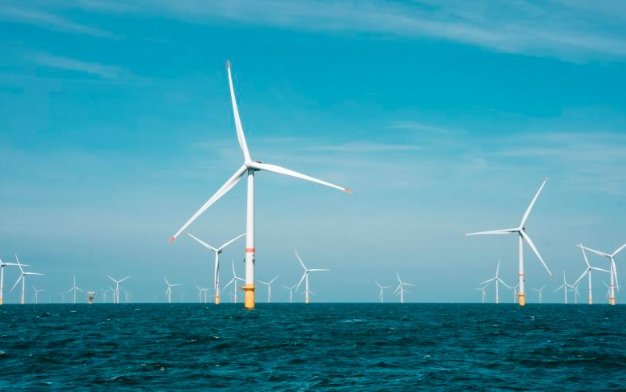
The Ayre project plans to install floating turbines in waters deeper than 70 meters off Orkney. This setup allows the farm to tap into strong winds in areas where fixed foundations would not work.
Developers expect the farm to generate enough power for hundreds of thousands of homes once online. Floating technology is gaining traction in Scotland, following successes like the world’s first floating wind farm near Peterhead back in 2017.
Scotland leads in offshore wind, with over 10 gigawatts already in operation or under construction. The Ayre site fits into the broader ScotWind leasing round, which awarded rights for 28 gigawatts of potential capacity in 2022.
Application Process and Timeline
Qair filed the offshore application through its project company, Ayre Offshore Wind Farm Limited. The Marine Directorate opened public consultation from December 11, 2025, to February 8, 2026, giving locals and groups time to share views.
This follows an onshore planning submission to the Highland Council in August 2025. That earlier step covered land based infrastructure like cables and substations needed to connect the farm to the grid.
Officials will review environmental impacts, navigation safety, and community effects during the process. Approvals could come by late 2026 if all goes smoothly, paving the way for construction to start in 2027.
Experts note that Scotland’s approval times for wind projects have shortened in recent years, thanks to streamlined rules under the Energy Consents Unit.
| Key Application Milestones | Date | Details |
|---|---|---|
| Onshore Planning Submission | August 2025 | Filed with Highland Council for cables and substations |
| Offshore Consent Filing | December 12, 2025 | Submitted to Marine Directorate |
| Public Consultation Period | December 11, 2025 – February 8, 2026 | Open for stakeholder input |
| Expected Decision Timeline | Late 2026 | Potential approval if no major issues arise |
Ownership Shift and Partners
Qair took full control of Ayre in November 2025 after a deal with former partners. The French company bought out shares from Belgium based DEME and Aspiravi, who now focus on the separate 1 gigawatt Bowdun project off Aberdeenshire.
This reshuffle came from Thistle Wind Partners, the original consortium behind both Ayre and Bowdun. Qair’s solo ownership streamlines decisions for Ayre, while the split lets each group advance their sites faster.
Such changes are common in large renewable deals, as firms align strengths. Qair brings experience from projects across Europe, including solar and wind in France and beyond.
The Bowdun team recently filed its own onshore application on December 12, 2025, showing parallel progress in Scotland’s wind sector.
Economic and Job Benefits
Ayre promises big local gains, with plans to base operations in northern Scotland. Developers say it could create about 100 permanent jobs in areas like maintenance and supply chain roles.
During construction, thousands of temporary positions might open, boosting economies in Orkney and Caithness. Scotland’s wind industry already supports over 20,000 jobs, and Ayre adds to that growth.
- Skilled roles in turbine assembly and installation
- Opportunities for local firms in logistics and vessel support
- Training programs to build workforce skills in renewables
These benefits align with UK goals to cut reliance on imported energy. Recent events, like the 2025 oil price spikes, highlight the need for homegrown power sources.
Environmental Impact and Broader Goals
Floating wind farms like Ayre reduce carbon emissions by replacing fossil fuels. Once built, it could cut over a million tons of CO2 yearly, aiding Scotland’s 2045 net zero target.
The project includes measures to protect marine life, such as careful turbine placement to avoid bird migration paths. Studies show offshore wind can even boost fish populations by creating artificial reefs.
This fits into global trends, with floating tech expanding in places like Norway and the US. Scotland’s recent investment from Great British Energy in another floating project underscores the momentum.
Challenges remain, including grid upgrades to handle more renewable power. Yet, with supportive policies, Ayre could help meet rising electricity demands from electric vehicles and heat pumps.
What do you think about Scotland’s wind energy push? Share your thoughts in the comments and pass this article along to friends interested in clean power.


