

Police Scotland has placed driving limits on about 4,000 officers to meet new safety rules that started three years ago. These changes, effective right away, aim to boost road safety while officers complete required training, and leaders say frontline work will stay strong.
Thousands of officers in Scotland now face curbs on how they drive during emergencies. The move follows a 2022 UK law update that sets higher standards for police behind the wheel.
What Sparked the Driving Limits
The restrictions kicked in on Tuesday after Police Scotland reviewed its training to match the Police, Courts, Sentencing and Crime Act from 2022. This law changed the Road Traffic Act of 1988 to judge police drivers by the skills of trained peers, not everyday drivers.
Before this, courts held officers to the same rules as regular motorists, even in high-speed chases or blue light runs. Now, the focus is on advanced training to prove safe driving in tough spots.
Police leaders say the delay came from the need to overhaul many courses. The rules cover all UK forces, but Scotland took time to adapt them fully.
This year, with road deaths in Scotland at 172 in 2025, up from 141 the year before, safety has become a big push. Experts link some crashes to poor training, making these updates timely.
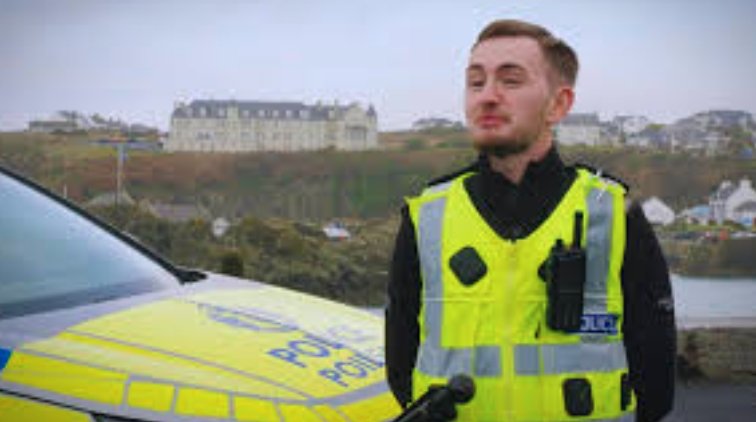
Key Restrictions for Officers
About a quarter of the force, or 4,000 officers, must follow new rules until trained. Most can still respond to calls in cars, but limits apply to vans and pursuits.
Here are the main curbs:
- No blue light responses in police vans for some officers.
- Ban on joining the start of vehicle pursuits for others.
- All must complete training to lift these limits.
These steps protect officers and the public during fast drives. Data shows emergency vehicle crashes dropped 15 percent in forces that updated training early.
Police Scotland notes that 10,500 officers are already set for emergency drives. The 4,000 affected are first in line for classes starting this week.
How Training Will Roll Out
The training program uses the Police System of Vehicle Control, based on Roadcraft methods. It teaches safe high-speed driving, risk checks, and legal standards.
Sessions run over several weeks, with a mix of classroom time and road practice. Officers learn to handle vans in emergencies, which need special skills due to size and weight.
By mid-2026, all should finish, lifting curbs. Costs are part of the force’s budget, with no extra funds needed yet.
Police say this builds on past efforts, like the 2024 push for better drink-drive checks. Similar programs in England cut officer-involved crashes by 20 percent last year.
| Aspect | Details | Impact |
|---|---|---|
| Officers Affected | 4,000 (25% of force) | Temporary limits on van use and pursuits |
| Training Start | This week in 2026 | Rolling program to comply with 2022 law |
| Full Completion | By mid-2026 | All curbs lifted, safer roads expected |
| Cost to Force | Within existing budget | No new funding required |
| Safety Goal | Reduce crashes | Aligns with UK-wide standards |
Impact on Daily Policing
Leaders promise no drop in response times. Officers in cars can still use blue lights, covering most calls.
Frontline teams will adjust by pairing trained drivers with those under limits. In busy areas like Glasgow, this means careful planning for pursuits.
Recent events, such as the 2025 rise in urban chases, highlight the need. Scotland’s 20mph zones in cities add complexity, but training aims to handle them better.
Public safety groups welcome the move, saying it prevents risks. One study found untrained emergency drives raise accident odds by 30 percent.
Reactions from Officers and Experts
The Scottish Police Federation calls for quick training to avoid gaps. Some officers worry about slower responses in rural spots where vans are key.
Experts praise the focus on safety. Road safety charities note Scotland’s lower drink-drive limit since 2014 has saved lives, and this fits that trend.
Union leaders say retirements, with half leaving early, strain the force. Yet, new recruits in 2026 bring fresh energy to training.
Broader UK Driving Law Changes
This ties into UK-wide shifts, like 2026 plans for eye tests for drivers over 70 and lower alcohol limits. Scotland’s strict rules already set a model.
Other forces, such as in England, faced similar updates post-2022. A 2025 report showed better court outcomes for trained officers in crash cases.
With electric police vehicles on the rise, training now includes green tech handling. This prepares for future roads, where autonomous cars may change pursuits.
What do you think about these police driving changes? Share your views in the comments and pass this article to friends for more discussion on road safety.