

Police Scotland has sparked widespread outrage by planning to spend nearly £1 million on a new human rights adviser role, with critics accusing the force of prioritizing virtue-signaling over frontline crime fighting. This decision comes amid ongoing budget pressures and officer shortages, as revealed in late 2025 announcements, raising questions about resource allocation in Scotland’s policing.
The Controversial Appointment Revealed
The force announced the position in November 2025, aiming to hire an expert to provide operational human rights advice to senior officers during planning and active policing tasks. This includes reviewing training, guidance, and procedures to eliminate any unconscious bias or discrimination.
Documents show the role carries a salary of up to £120,000 per year, plus additional costs for support staff and operations, pushing the total near £1 million over five years. Supporters argue it ensures compliance with human rights standards, especially after recent scrutiny over policing practices.
However, the timing has drawn fire, as Police Scotland faces financial crossroads, with Chief Constable Jo Farrell warning of tough choices ahead.
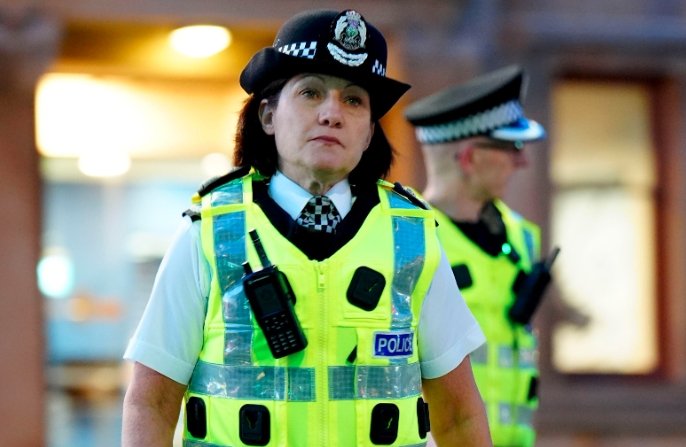
Role Details and Responsibilities
The adviser will focus on embedding human rights into every aspect of policing, from daily operations to long-term strategies. This involves auditing internal processes and advising on high-stakes situations like public order events.
Key duties include:
- Offering real-time guidance during active incidents to avoid rights violations.
- Conducting reviews of force policies for bias-free practices.
- Training officers on equality and inclusion topics.
Proponents say this builds on existing efforts, like the assistant chief constable for Policing Together, who oversees diversity and human rights on a £150,000-plus salary. Yet, overlap concerns have emerged, with some questioning if this duplicates efforts without adding value.
Wave of Criticism from Experts
Critics, including taxpayer watchdogs, label the hire as wasteful meddling in frontline work. John O’Connell from the TaxPayers’ Alliance called it absurd, especially as the force pleads poverty while funding such positions.
Politicians and former officers echo this, pointing to misplaced priorities. Scottish Conservative voices have slammed it as virtue-signaling, arguing funds should go to recruiting and retaining beat officers amid rising quits.
Public sentiment on social media reflects frustration, with many users highlighting recent scandals, like the chief constable’s £134,000 relocation expenses for a second home purchase.
This backlash ties into broader 2026 concerns, such as alarming numbers of recruits leaving early and experienced officers retiring five years ahead of schedule.
Broader Challenges Facing Police Scotland
Police Scotland grapples with multiple issues in 2026, including officer retention and budget strains. Recent data shows hundreds of officers quitting within five years, with 201 leaving in under 12 months over the last five years, blamed on mismanagement and burnout.
The force also faces criticism over plans for live facial recognition technology, condemned by rights groups for potential racial injustice and surveillance creep.
Financial woes persist, with calls to end non-attendance policies for minor crimes to rebuild public trust. These policies, critics say, entrench criminality by reducing police presence.
| Issue | Details | Impact |
|---|---|---|
| Officer Quits | Over 200 left in under a year (2021-2026) | Strains frontline resources |
| Budget Pressures | £1M adviser hire amid cuts | Reduces funds for crime fighting |
| Tech Controversies | Facial recognition plans | Risks eroding public trust |
| Leadership Scandals | Chief’s home expenses | Fuels perceptions of waste |
This table highlights key pressures, showing how the adviser role fits into a pattern of questioned spending.
Financial Implications and Alternatives
The £1 million cost could fund dozens of additional constables, say analysts, at a time when Scotland’s government faces accusations of pushing officers to breaking point. With crime rates steady but public confidence dipping, reallocating funds to basics like patrols might address root problems.
Experts suggest integrating human rights advice into existing roles to save money, avoiding new hires. This approach could maintain standards without the hefty price tag.
In comparison, other UK forces like the Metropolitan Police have faced similar diversity hiring backlash, including recent 2026 revelations of problematic recruits to boost inclusivity, underscoring sector-wide tensions.
Public Reaction and Future Outlook
Social media buzz in early 2026 shows strong disapproval, with posts calling the hire a joke and demanding accountability from leaders. Users point to past wastes, like millions on inquiries and charity funding linked to controversies.
As Police Scotland navigates these storms, the adviser role may undergo review, especially with new Scottish Police Authority appointments aiming for better oversight.
What do you think about this spending decision? Share your views in the comments and pass this article along to spark discussion among friends.