
 Ishan Crawford
 OPEC+ agreed on Sunday to lift its oil output by another 188,000 barrels a day from August, the fifth straight monthly increase in the group’s slow rollback of 2023 production cuts. The decision came at a virtual meeting of seven member countries: Saudi Arabia, Russia, Iraq, Kuwait, Kazakhstan, Algeria and Oman.
Two market analysts told Al Jazeera that the formal quota still runs well ahead of the real-world barrels crossing the Strait of Hormuz.
OPEC+ Lifts August Oil Output by 188,000 Barrels a Day
The seven countries met virtually on Sunday “to review global market conditions and outlook”, the organization said, confirming the latest monthly increase for August. They are the same group that has hiked quotas each month since April, after the United Arab Emirates announced its withdrawal in late April.
The decision is the latest step in unwinding 1.65 million barrels a day of voluntary output cuts first announced in April 2023 and later extended through the end of 2026. “The countries will continue to closely monitor and assess market conditions,” OPEC+ said in a statement, adding that officials had “reaffirmed the importance of adopting a cautious approach and retaining full flexibility to increase, pause or reverse the phase out of the voluntary production adjustments”. The seven countries will meet again on August 2 to consider September volumes. Reuters and CNBC reporting puts the cumulative unwound total at almost 800,000 barrels a day from April through July, ahead of the August step-up.
Why Analysts Call the Latest Hike a ‘Paper Formality’
Two market analysts told Al Jazeera the formal quotas are running ahead of the real-world barrels crossing the Strait of Hormuz. Fabien Yip, a market analyst at IG in Sydney, called the latest increase a “paper formality” against a backdrop of months of constrained shipping. Neil Crosby, an oil market analyst at Sparta Commodities in Singapore, said the OPEC targets should be treated as “essentially meaningless” in the short term. Both said the picture will only firm up once Hormuz traffic returns to normal.
Actual barrels have been constrained for months by the Strait of Hormuz blockade, falling well short of the quota. That constraint is now easing, driving prices down.
Yip is a market analyst at IG in Sydney, in comments carried in Al Jazeera’s coverage of Sunday’s OPEC+ decision. The easing is not coming from the quotas themselves: Saudi shipping has more than doubled since June 17, when U.S. President Donald Trump and Iranian President Masoud Pezeshkian signed their end-of-war memorandum of understanding. Iran has moved close to 50 million barrels onto the market since the U.S. naval blockade of Iranian ports lifted.
Crosby, of Sparta Commodities, framed the OPEC+ quotas as “essentially meaningless” until the strait returns to something like its pre-war pattern. “Perhaps in the medium term, if and when the Hormuz issue is sustainably ‘solved’, we can start to think more carefully about what the group needs and wants to supply,” he told Al Jazeera. He said much of the existing talk of 2027 balances is “predicated on scenarios in Hormuz” that nobody can model accurately. “We know little about the short-term future,” Crosby told Al Jazeera, “so are not well able to predict the medium-term future.” The latest quota hike lands inside that uncertainty.
The Strait of Hormuz Is Still Calling the Shots
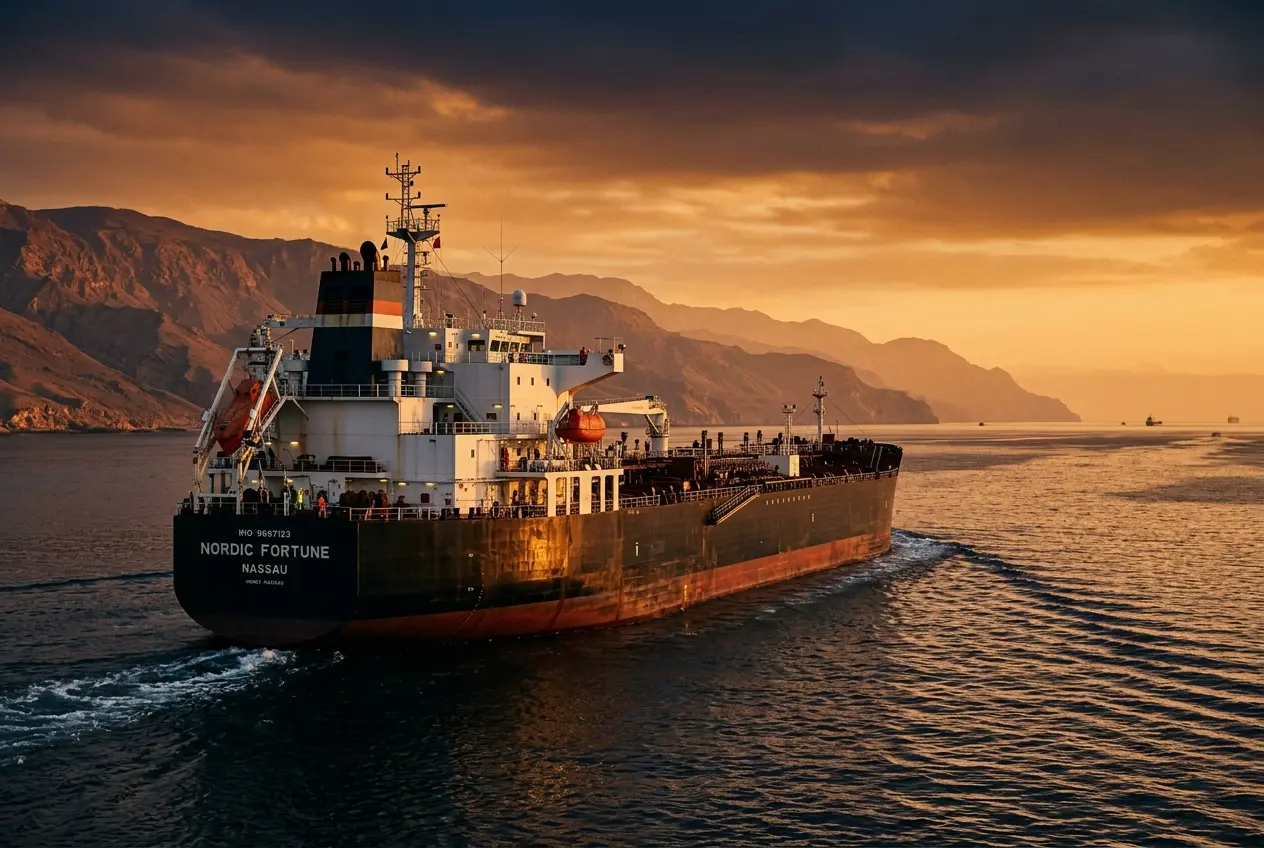
Hormuz traffic has ticked up since the June 17 memorandum of understanding but remains far below pre-conflict levels. The recovery has been tracked ship by ship by the platform MarineTraffic. The full picture is in Sunday’s OPEC+ and Hormuz reporting.
Iran’s effective closure of the strait cut off about one-fifth of global oil and liquefied natural gas supplies. OPEC+ members were forced to slash production as a backlog of unshipped barrels filled regional crude storage. Total OPEC+ output fell to 33.13 million barrels a day in May, down from 42.77 million in February, OPEC data shows. Saudi Arabia’s OPEC+ quota of 10.291 million barrels a day for June was far above the 7.76 million the kingdom actually produced in March, Al Jazeera reported.
The quota mismatch has been wider through the spring than the formal increases suggest. Saudi production has been running well below the OPEC+ quota. Output began to recover in June, the first monthly uptick since the war began.
The June 17 memorandum is what is shifting the picture. U.S. efforts to help the UAE and other OPEC+ states export more oil began to lift production in June. Saudi shipping has more than doubled since June 17 versus the prior three months combined. Iran pushed close to 50 million barrels onto the market since the U.S. naval blockade lifted. The formal quota step-up lands into that backdrop.
Hormuz daily transits:
- 38 confirmed vessel transits, July 2, 2026
- 48 confirmed transits, July 1, 2026
- ~130 daily crossings, pre-war
How Brent Crashed From $126 Back Below $72
Brent crude briefly topped $126 a barrel in April, as the Hormuz closure pushed prices to a four-year high. Brent futures for September delivery stood at $72 on Monday at 02:01 GMT, below the pre-war settlement of $72.48 on February 27, the level tracked in Brent’s fall from $126 toward $72 and the UBS outlook.
UBS analyst Giovanni Staunovo said “the group of seven kept unwinding their production cuts as widely expected”. The near-term focus, he said, “will remain on how many tankers will manage to cross the Strait of Hormuz and how quickly demand and Chinese crude imports recover”. OPEC+ output began to recover in June. Brent was also pressured lower by weaker Chinese imports, higher exports from non-Middle East producers, and a record strategic stock release coordinated by the International Energy Agency.
Iraq Pushes for More, the UAE Is Out, and 379,000 Barrels Remain
Iraq is pressing for higher OPEC+ quotas, adding friction to the seven-country talks. The United Arab Emirates left the alliance in late April, ending its quota obligations from May 1. The seven core members are now unwinding the 2023 voluntary cuts without the UAE.
From April through July, the seven had hiked quotas by almost 800,000 barrels a day. The August hike adds another 188,000 barrels a day, the fifth consecutive monthly increase. From August, after the UAE’s exit from the alliance on May 1, the seven still have about 379,000 barrels a day of the original 2023 cut to return to the market (see Sunday’s OPEC+ quota increase breakdown). One more similar hike in September, decided at the August 2 meeting, would fully unwind the 2023 cut. That, per Reuters’ tally, would bring the seven’s quota back to its pre-cut level.
The unwinding follows months of forced cuts caused by the Hormuz closure. Saudi shipping has more than doubled since June 17, and Iran has moved close to 50 million barrels since the U.S. naval blockade lifted. OPEC+ production began to recover in June after U.S. efforts to help member states export more oil. The next decision on September volumes comes August 2.
Frequently Asked Questions
When does OPEC+’s latest production increase take effect?
OPEC+ said the additional 188,000 barrels a day will be added in August, the start date the seven countries set when they met virtually on Sunday, July 5. Members will meet again on August 2 to decide on September volumes.
Which seven countries approved the increase?
The decision came from Saudi Arabia, Russia, Iraq, Kuwait, Kazakhstan, Algeria and Oman. The list reflects the seven core members of OPEC+ after the UAE’s exit in late April. Iran, an OPEC+ member, has not been part of the monthly production management arrangement.
Why are analysts calling the latest quotas ‘paper formalities’?
Two analysts told Al Jazeera the formal quota still runs well ahead of real-world barrels crossing the Strait of Hormuz. Fabien Yip of IG called the increase “largely a paper formality” because Hormuz traffic has throttled actual exports. Neil Crosby of Sparta Commodities described the targets as “essentially meaningless” in the short term.
What does the Strait of Hormuz have to do with OPEC+?
Iran effectively closed the strait after the U.S. and Israel launched strikes on February 28, 2026. The closure blocked about one-fifth of global oil and LNG supplies. OPEC+ members were forced to slash production as unshipped barrels backed up at regional storage.
When is the next OPEC+ meeting?
OPEC+ said the seven core members will meet again on August 2 to review the situation. Another similar tranche in September would fully unwind the 2023 voluntary cuts, per Reuters calculations.
 Xbox Lays Off 3,200 as Sharma Memo Puts Mojang and King at the Top
  Trent Shares Fall 12% as Q1 Revenue Growth Misses Street Estimates
  Stocks to Watch July 7: Cochin Shipyard OFS Opens, JB-Torrent Cleared
  Sensex, Nifty Set to Open Higher Tracking AI-Led Wall Street Rally
  Naomi Osaka Ousts Sabalenka to Reach First Wimbledon Quarterfinal
  Ford Racing Returns to Le Mans Overall Fight With 2027 Hypercar