

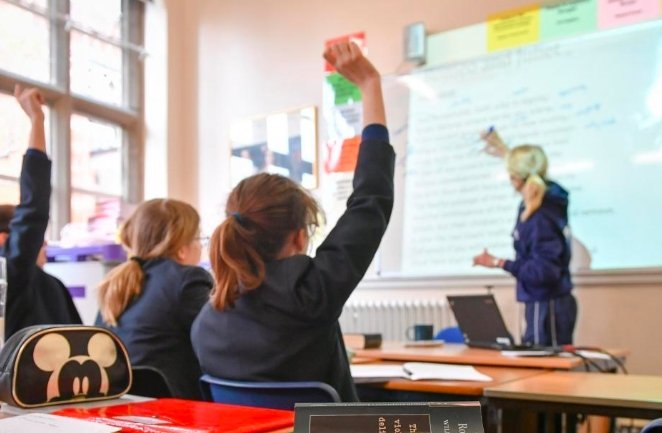
Pupils at Gryffe High School in Houston, Renfrewshire, endured lessons in freezing classrooms after a major heating system breakdown on the first day back from holidays. The issue, caused by a leak, dropped temperatures below the legal minimum of 16 degrees Celsius, sparking concerns from parents, staff, and unions about health and safety.
What Led to the Heating Failure
The heating problems started early this week when a leak in the school’s system caused boilers to fail. School officials noticed the issue as students returned from winter break amid a cold snap across Scotland.
Renfrewshire Council acted fast by providing portable heaters to warm up key areas. Despite these efforts, some classrooms stayed too cold for hours, forcing pupils and teachers to wear coats and scarves indoors.
This event mirrors similar issues in other UK schools during recent cold weather. For example, several schools in Norfolk and Suffolk closed last week due to frozen pipes and heating failures.
Local weather data shows temperatures dipped to minus five degrees Celsius in parts of Renfrewshire, making the breakdown even worse. Experts say aging school buildings often struggle with extreme weather, leading to such disruptions.
Impact on Students and Staff
Many pupils reported feeling uncomfortable and distracted during lessons. One parent shared that their child came home shivering and unable to focus on schoolwork.
Staff members also faced challenges. Teachers had to adapt by shortening outdoor activities and keeping everyone inside, but the cold still affected daily routines.
Union representatives highlighted health risks. Low temperatures can lead to issues like reduced concentration and higher chances of illness, especially in a post pandemic world where ventilation matters.
Here are some key effects noted by those involved:
- Reduced learning efficiency as students struggled to stay warm.
- Increased stress for teachers managing upset pupils.
- Potential long term health concerns from prolonged exposure to cold.
In nearby schools like Renfrew High, similar low temperature problems emerged, affecting hundreds more students in the area.
Response from Authorities and Unions
Renfrewshire Council stated that they fixed the leak with a temporary solution and added heaters to raise temperatures gradually. They chose not to close the school to avoid disrupting education further.
The Educational Institute of Scotland union raised strong concerns. A spokesperson said they contacted the council and questioned why closure was not considered given the legal temperature guidelines.
Council officials plan to review heating system checks before future terms. This includes better maintenance to prevent repeats during cold spells.
Other regions have taken steps too. In Greater Manchester, schools closed briefly last week due to ice and heating woes, showing a wider pattern across the UK.
Broader Context of School Infrastructure Issues
Schools across Scotland and the UK often deal with outdated heating systems. A recent report from the Department for Education notes that over 30 percent of school buildings need major repairs, including heating upgrades.
This incident at Gryffe High comes after a chemical spill evacuation at the same school just three weeks ago, raising questions about overall building safety.
To highlight common school heating problems in the UK, consider this table of recent incidents:
| Location | Issue | Date | Impact |
|---|---|---|---|
| Gryffe High, Renfrewshire | Heating leak | January 2026 | Cold classrooms, no closure |
| Norfolk schools | Frozen pipes | December 2025 | Multiple closures |
| Greater Manchester | Ice related breakdowns | January 2026 | School shutdowns |
| Houston ISD, USA | HVAC failures | January 2025 | Early dismissals |
These cases show a need for better funding and modern systems to handle harsh winters.
Logical reasoning suggests that climate change could make extreme weather more common, putting more pressure on school infrastructures. Governments must invest now to protect students.
Looking Ahead and Prevention Tips
Experts recommend regular system checks and insulation improvements to avoid future breakdowns. Schools can also prepare emergency plans, like backup heaters or remote learning options.
Parents and communities play a role too. Advocating for better school funding can lead to lasting changes.
As this story develops, share your thoughts in the comments below or on social media. Have you faced similar issues in your local schools? Your input could help raise awareness and push for solutions.