

Diageo, the global drinks giant behind brands like Johnnie Walker and Lagavulin, has committed up to £5 million over five years to restore up to 3,000 hectares of degraded peatlands in Scotland. This initiative, announced on November 12, 2025, partners with Caledonian Climate and Wetlands International to boost carbon storage, biodiversity, and water management in these vital ecosystems.
Why This Pledge Matters Now
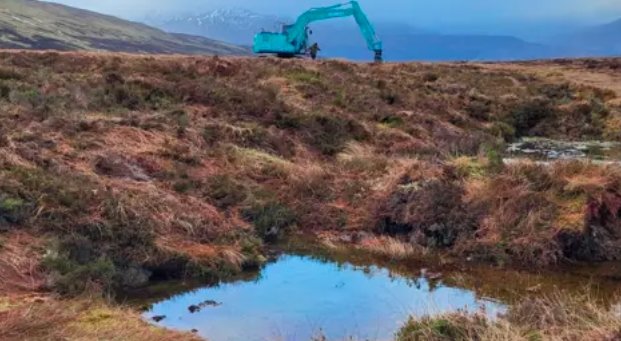
Scotland’s peatlands cover about 1.5 million hectares, making up a huge chunk of the country’s land. They act as natural sponges, holding vast amounts of carbon and helping control floods by slowing down water flow. But years of damage from drainage and burning have left many in poor shape, turning them from carbon sinks into sources that release greenhouse gases.
Experts point out that restoring these areas could lock away millions of tons of carbon each year. For the whisky industry, which relies on pure water and peaty flavors, healthy peatlands are key to long-term success. Diageo’s move comes amid growing calls for sustainability in beverages, especially as climate talks like COP30 highlight nature-based solutions.
This effort aligns with broader trends in Scotland, where the government has already poured funds into peat restoration. Recent reports show that over 20 percent of the nation’s peatlands are degraded, but projects like this could reverse that trend and support local jobs in rural areas.
Key Details of Diageo’s Investment
The £5 million pledge will run through 2030, focusing on co-funding projects across iconic spots like Islay. Diageo plans to team up with landowners, communities, and NGOs to pick sites and track results on carbon, water, and wildlife.
One standout project involves the RSPB’s Oa nature reserve on Islay, a hotspot for whisky production. Here, restoration work will blend private cash with public grants from the Scottish Government’s Peatland Action Fund. This mix could multiply the impact, potentially restoring even more land.
To measure success, partners will use science-backed methods. They aim to share data openly, helping other firms improve their practices. Early wins include better monitoring tools that show real changes in ecosystem health.
The Role of Peat in Scotch Whisky
Peat gives that signature smoky taste to many Scotch whiskies, but only a tiny bit is needed in the process, about 10 to 20 percent of the barley gets peated. Water, drawn from peat-filtered sources, makes up 60 percent or more of the final product, so clean sources are crucial.
Degraded peatlands harm water quality by letting sediments and pollutants run off faster. Restoring them could improve this, ensuring steady supplies for distilleries. Plus, healthy bogs support rare species like sphagnum moss and birds, tying into Diageo’s goal of net positive impact on nature by 2030.
Here’s a quick look at peat’s benefits:
- Carbon storage: Peatlands hold twice as much carbon as all the world’s forests combined.
- Water regulation: They reduce flood risks and maintain steady river flows.
- Biodiversity boost: Home to unique plants and animals, aiding overall ecosystem health.
- Economic value: Supports tourism and industries like whisky, worth billions to Scotland.
Innovations Reducing Peat Use
Diageo is not just restoring; it’s cutting its own peat needs. Trials since spring 2024 have dropped peat use per ton of malted barley by five percent through better maltings tech. They are testing ways to recycle peat smoke in the drying process and even repurpose peat displaced by things like power lines.
These steps follow a science-based plan to make production greener without losing flavor. The company shares findings with the industry, hoping to spark wider change. For instance, similar efforts by other distillers have led to 10 percent efficiency gains in recent years.
| Innovation | Description | Impact Since 2024 |
|---|---|---|
| Efficient Maltings | Optimized drying to use less peat per batch | 5% reduction in peat per ton |
| Smoke Recirculation | Reusing peat smoke in closed loops | Early trials show potential 15% savings |
| Displaced Peat Reuse | Using peat from infrastructure projects | Explored for sustainable sourcing |
This table highlights how small tweaks can add up to big environmental wins.
Broader Impact and Calls for Action
The pledge could inspire more businesses to join in, as Diageo urges collective efforts. With peat restoration linked to global climate goals, this fits into Scotland’s aim to restore 50,000 hectares by 2025, though delays from weather have pushed some targets. Local communities stand to gain from jobs in monitoring and habitat work.
Tying into recent events, like the whisky sector’s push at COP29 for sustainable sourcing, Diageo’s step shows how industry can lead on conservation. It also addresses concerns from environmental groups about peat extraction, balancing tradition with modern needs.
As Scotland faces wetter winters and drier summers due to climate shifts, these projects build resilience. They could prevent losses estimated at £100 million yearly from poor water management in agriculture and drinks.
What do you think of Diageo’s commitment? Share your views in the comments below and spread the word by sharing this article to raise awareness about sustainable whisky production.