

Seventy years after construction began on Scotland’s first nuclear power station at Chapelcross near Annan, ambitious plans are transforming the decommissioned site into a green energy hub. Recent announcements highlight hydrogen production and renewable projects that could create jobs and cut emissions, marking a shift from nuclear power to sustainable sources as of late 2025.
A Storied Past in Scotland’s Energy Landscape
Chapelcross broke ground in 1955, drawing in about 2,000 workers to build what became a key electricity generator and producer of materials for defense. The plant fired up in 1959 and ran for 45 years until 2004, powering homes across southern Scotland, the Borders, and parts of England.
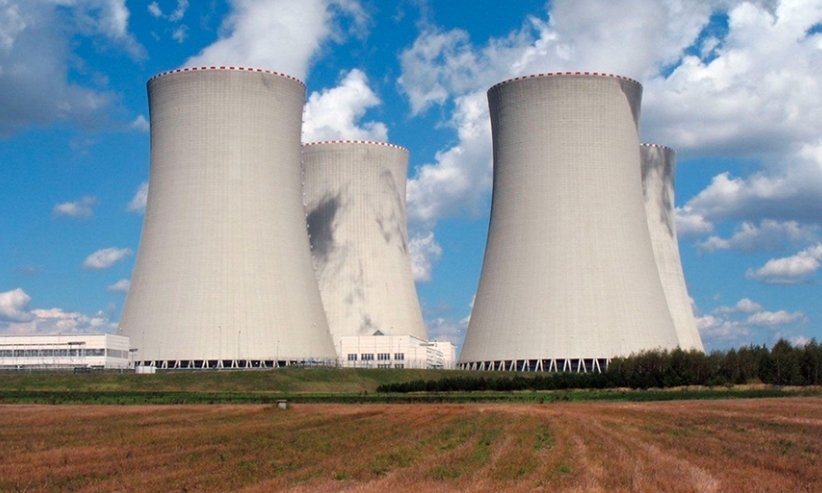
At its height, the facility featured four massive reactors with thick concrete shielding and iconic cooling towers that dotted the skyline until their demolition in 2007. It not only supplied energy but also played a role in national security by creating elements for atomic programs.
This history underscores how Chapelcross shaped local communities, providing steady jobs and boosting the economy in Dumfries and Galloway.
Decommissioning Efforts and Site Challenges
Decommissioning started right after shutdown in 2004 and continues today, with teams safely dismantling structures and managing waste. The Nuclear Decommissioning Authority oversees the process, aiming to restore much of the land for new uses by the 2030s.
Workers face tasks like removing radioactive materials and ensuring environmental safety. Progress includes clearing old buildings, but full cleanup could stretch into the next decade due to the site’s complex legacy.
Recent updates show steady advances, with some areas already cleared for redevelopment. This careful approach protects nearby residents and wildlife while opening doors for fresh initiatives.
Local voices have raised concerns about safety and timelines, but officials stress rigorous standards to minimize risks.
Vision for a Green Energy Hub
A masterplan unveiled in 2024 outlines turning Chapelcross into a center for clean power, focusing on renewables to meet net-zero goals. By 2025, the vision includes blending hydrogen, solar, and possibly wind to produce low-carbon energy.
This shift aligns with broader UK efforts to phase out fossil fuels and boost green tech. The site’s grid connections and open space make it ideal for such projects, potentially supplying power to thousands of homes.
Experts see this as a model for repurposing old nuclear sites worldwide, combining legacy infrastructure with modern sustainability.
| Key Features of the Masterplan | Details |
|---|---|
| Total Site Area | Over 200 hectares available for development |
| Primary Focus | Hydrogen production and renewable integration |
| Timeline | Initial projects starting in 2025, full hub by 2030 |
| Expected Output | Enough green energy for 50,000+ households annually |
Hydrogen Plant Leads the Charge
A major highlight is the planned hydrogen electrolysis plant, announced in early 2025, which could create dozens of jobs and slash carbon emissions. The facility would use electricity from renewables to split water into hydrogen, a clean fuel for transport and industry.
Developers aim to produce thousands of tons of green hydrogen yearly, supporting Scotland’s push for low-emission alternatives to gas. This builds on similar UK projects, like those in Teesside, and could integrate with existing pipelines.
Community Hydrogen, a key player, projects operations to begin by 2027, with potential for expansion if demand grows.
The plant addresses energy storage challenges, storing excess renewable power as hydrogen for peak times.
Economic Boost and Job Creation
Redevelopment promises to revive the local economy, once hit hard by the plant’s closure. Estimates suggest up to 500 new jobs in construction, operations, and supply chains over the next five years.
This comes at a time when Scotland’s energy sector is booming, with investments in offshore wind and green tech creating thousands of roles nationwide.
- Direct jobs from hydrogen plant: Around 50 permanent positions in engineering and maintenance.
- Indirect benefits: Boost to local businesses like suppliers and training centers.
- Long-term impact: Potential for skills development programs to upskill workers from traditional energy fields.
These opportunities could help retain young talent in rural areas, fostering growth in Annan and beyond.
Environmental Benefits and Hurdles Ahead
Turning nuclear land green offers big wins for the climate, potentially cutting millions of tons of CO2 emissions through hydrogen and renewables. It supports the UK’s 2050 net-zero target and Scotland’s ambitious 2045 goal.
However, challenges include securing funding, navigating regulations, and ensuring community buy-in. Critics worry about visual impacts or water use for hydrogen production, but proponents highlight net gains in sustainability.
Ongoing studies assess biodiversity, with plans to incorporate wildlife corridors and low-impact designs.
Looking Forward: A Model for Global Change
As 2025 wraps up, Chapelcross stands as a beacon for repurposing industrial sites amid the global energy transition. Similar efforts in places like the US and Germany show this approach can work, blending history with innovation.
With government backing and private investment, the site could inspire more transformations, proving old power plants can indeed embrace a green future.
What do you think about repurposing nuclear sites for renewables? Share your thoughts in the comments and spread the word to keep the conversation going.