
 Dayna Bass
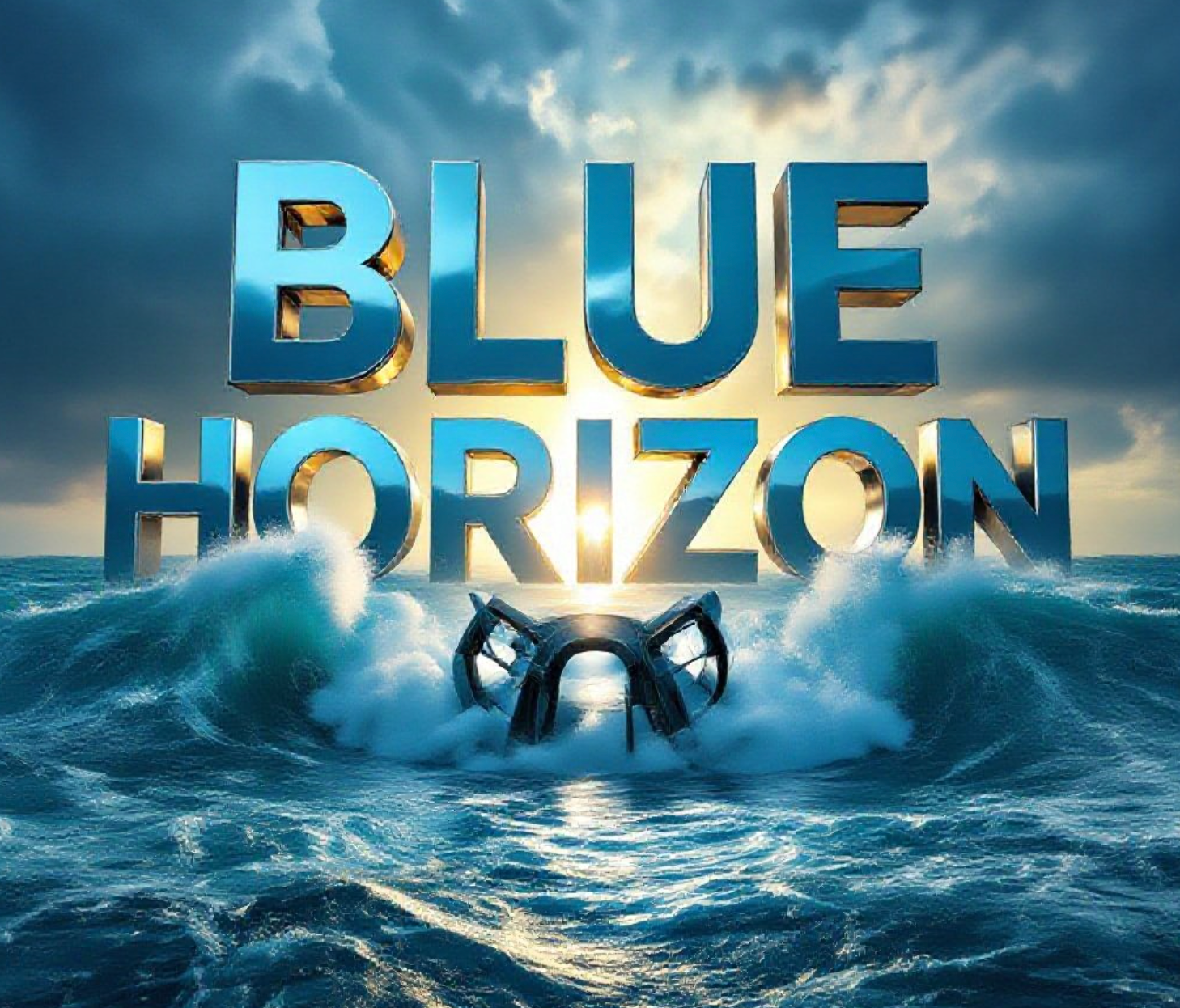
 Scotland just landed the biggest single boost tidal energy has ever seen in the UK. A £15 million cheque from Whitehall will supercharge the European Marine Energy Centre (EMEC) in Orkney, letting engineers test full tidal arrays instead of single turbines for the first time. The Blue Horizon project is now fully funded and ready to prove tidal power can deliver predictable, baseload clean electricity at scale.
This is not another pilot scheme. This is the moment Britain stops talking about tidal energy and starts building it.
Blue Horizon: From Single Turbines to Real Power Stations
Until now, every tidal device deployed in Orkney has been tested alone. Blue Horizon changes that.
The cash will pay for new grid-connected berths, deeper water test sites, and upgraded substations that can handle multiple megawatts flowing at once. Developers will finally be able to plug in four, six, or eight turbines and see how they perform together in the ferocious currents of the Fall of Warness.
Matthew Finn, EMEC’s Managing Director, called it “the missing piece” the industry has begged for since the first turbine went in the water in 2003.
“This moves us from prototype to product,” he said. “We can now show investors what a commercial tidal array actually costs to build and run. That is the data that unlocks private capital.”
Independent analysts agree. Ocean Energy Europe says the cost of tidal stream energy has already fallen 40% in five years. Blue Horizon is expected to drive another sharp drop by proving array-level efficiencies and shared infrastructure savings.
Jobs, Skills, and Supply Chain Staying in Scotland
The money stays in the north.
Every fabrication contract, every new job, every vessel day will be spent in Orkney and the wider Highlands and Islands. EMEC estimates 150 direct jobs during the build phase and dozens more permanent roles once the expanded facility is running.
Local firms like Orcades Marine and Leask Marine, already world-class in offshore operations, will see immediate work. Colleges in Stromness and Kirkwall are gearing up to train the next wave of tidal technicians.
One Stromness welder told me last week: “We’ve been welding oil rigs for decades. Give us tidal turbines and we’ll be doing it for the next fifty years instead.”
Part of a Bigger £150M Science Push
The tidal award is one of three flagship projects announced on 20 February 2026 by Science Minister Lord Vallance.
The other winners are:
- £100 million for next-generation medical imaging centres in Manchester, London, and Glasgow
- £35 million for advanced materials research led by the Henry Royce Institute
All three sit inside UKRI’s record £38 billion settlement and share the same goal: turn British labs into British factories.
Lord Vallance was blunt: “We are done with ideas that stay on PowerPoint. These projects will create companies, exports, and pay packets.”
Why Tidal Matters More Than Ever in 2026
Wind and solar are brilliant, but they stop when the weather changes. Tidal streams flow every single day, twice a day, forever. The Pentland Firth alone has enough predictable power to supply Scotland’s entire electricity demand.
Pair that with batteries or green hydrogen plants (EMEC already has a hydrogen facility on Eday), and you have firm, dispatchable clean power that keeps the lights on when the wind drops.
Energy security, lower bills, net zero by 2035, Scotland wants all of it, and Orkney is the place that can deliver.
The UK government’s own numbers show tidal stream could be cost-competitive with offshore wind by the early 2030s if we keep the momentum. Blue Horizon is the accelerator pedal.
This £15 million is not a subsidy. It is infrastructure investment in the same way the Victorians built railways or the 1950s built motorways. Except this time we are building the roads for clean electricity.
Orkney has waited twenty years for this moment. Britain has waited even longer for a home-grown energy technology we can export to every coastline on earth.
The tide is finally coming in.
What do you think: is 2026 the year tidal power finally breaks through? Drop your thoughts below and use #BlueHorizonBoost if you’re shouting about it on X or Instagram.
 Sensex Drops 893 Points, Nifty Falls 1.16% as IT and Metals Drag
  Messi Overtakes Klose and Marta as All-Time World Cup Top Scorer
  New Zealand Women vs Scotland Women T20 World Cup 2026 Prediction
  Tata Motors CV Sets FY2028 Bet on Iveco, AI Margins and 3,400 EVs
  Akasa Air Plans 30% Capacity Growth in FY27, Holds Long-Term Target
  Nvidia’s Hot Liquid Cooling Could Cut AI’s Water Bill, but Not Its Energy