
 Zane Lee
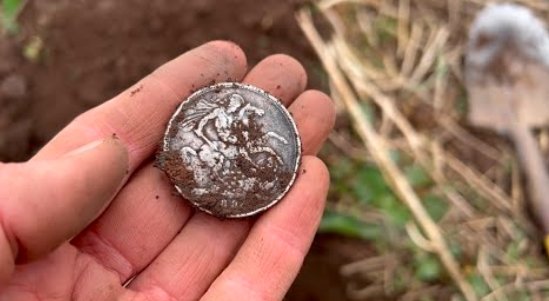
 A metal detectorist uncovered a rare silver penny in woods near Penicuik, Scotland, in 2023, revealing it as the earliest coin minted in the country during King David I’s reign in the late 1130s. This find challenges old beliefs that Scotland’s first coins came from England, and National Museums Scotland has now bought the artifact to preserve it for the public.
The Thrilling Discovery in Midlothian Woods
In a quiet forest area close to Penicuik, about ten miles south of Edinburgh, a hobbyist with a metal detector made an exciting find in 2023. The small silver penny, buried for centuries, turned out to be a game changer for Scottish history experts.
This coin dates back to the second half of the 1130s, a time when Scotland was starting its own money system. The detectorist reported the item to Scotland’s Treasure Trove unit, which handles such finds under local laws. After checks, the coin was valued at around 15,000 pounds, and the finder got a reward matching that amount.
Experts examined the penny closely. It shows a portrait of King David I on one side, with a cross and other designs on the back. Made by hammering silver onto a die, it marks an early step in local coin making.
The location adds to the story. Penicuik sits in Midlothian, a region rich in medieval sites. Similar discoveries in recent years, like ancient tools and jewelry, show why hobbyists flock there.
King David I and the Birth of Scottish Coinage
King David I ruled Scotland from 1124 to 1153, a period of big changes. He brought in new ideas from England and Europe, including the minting of coins to boost trade and power.
Before this, Scotland used money from other places, like Roman or Viking coins. David I set up mints in cities such as Edinburgh, changing that. This penny proves Edinburgh was an early hub for coin production, not just a later one as once thought.
Historians note David I’s push for a stronger kingdom. He built castles, churches, and towns, and coins helped control the economy. The penny’s design copies English styles but adds Scottish touches, showing a mix of influences.
Recent studies link this to broader events. For example, David’s wars and alliances with England shaped his rule. In 2025, archaeologists found related items in Cumbria, tying into border history.
This discovery fits with trends in numismatics, the study of coins. Over the past five years, metal detecting has led to over 200 major finds in the UK, reshaping views on medieval economies.
How the Coin Was Acquired and Preserved
National Museums Scotland stepped in to secure the coin after its allocation by the Treasure Trove. The museum paid the market value, ensuring it stays in public hands.
This process follows strict rules to protect heritage. Once reported, experts assess items for historical worth. If deemed important, museums can claim them, and finders get fair pay.
The coin now joins other treasures at the museum in Edinburgh. Plans include displaying it soon, with events to teach about Scotland’s past.
Curators used advanced tools like X ray scans to confirm details without damage. This helps preserve the artifact for future generations.
In a related move, the museum acquired other medieval items in 2026, building a fuller picture of the era.
Expert Views on the Find’s Importance
Senior curators at National Museums Scotland call this a landmark. One expert said it rewrites the start of Scottish coin history, proving local minting began earlier than believed.
The coin sheds light on daily life in the 12th century. It shows how kings used money to unite people and grow trade.
Comparisons with English pennies from the same time highlight differences. Scottish versions were lighter, perhaps to fit local needs.
Experts also point to the coin’s rarity. Only a few similar pieces exist, making this one special.
- Key features of the coin include a crowned head of David I on the front.
- The back has a cross with crowns in each quarter, a common medieval design.
- Inscriptions suggest it was struck in Edinburgh, confirming the mint location.
This ties into current trends. In 2026, global interest in ancient coins spiked, with auctions fetching high prices for rare items.
What This Means for History and Hobbyists
The find inspires metal detecting fans worldwide. It shows how everyday people can uncover lost history, leading to new knowledge.
For Scotland, it boosts national pride. King David I is seen as a founder of modern systems, and this coin symbolizes that legacy.
Broader impacts include education. Schools now use such stories in lessons, sparking interest in archaeology.
| Aspect | Details |
|---|---|
| Discovery Year | 2023 |
| Location | Woods near Penicuik, Midlothian |
| King | David I (ruled 1124-1153) |
| Mint City | Edinburgh |
| Material | Silver |
| Value to Finder | About 15,000 pounds |
| Current Holder | National Museums Scotland |
This table sums up core facts, helping readers grasp the basics quickly.
Experts predict more finds as technology improves. Drones and better detectors are changing the field.
The discovery also connects to recent events. In late 2025, a similar coin from England sold for record amounts, showing growing collector interest.
Looking Ahead: Why This Matters Today
This penny is more than metal, it is a window into Scotland’s past, showing innovation in tough times.
It reminds us how history hides in plain sight, waiting for curious minds.
Share your thoughts in the comments, have you ever found something old? Spread this story to friends who love history.
 HDFC Bank Fines CEO Jagdishan Weeks Before Reappointment Call
  Zepto’s IPO Valuation Target Sinks to $3 Billion From $7 Billion
  Man Jailed Under a Rare Lifelong Order for Edinburgh Rape
  Tata Power’s ₹6,675 Crore Bet on Solar Self-Reliance in Odisha
  South Korea and Japan Chip Stocks Crash as China Surges
  Scotland’s Social Work Registration Overhaul Carries a Staffing Cost