
 Chris Muir
 Scotland’s universities and colleges face a severe funding crisis, with experts calling for a radical rethink to prevent collapse. A new report by Huw Morris and Des McNulty, released on January 8, 2026, highlights unsustainable funding models and urges a broad review of the entire tertiary education system.
Experts Demand Radical Changes
Huw Morris, a professor of tertiary education at University College London, and Des McNulty, a former Scottish government minister, argue that the current setup fails both students and the economy. Their paper, published by the think tank Enlighten, points to defective funding for Scottish students and over-reliance on international fees.
The report warns that without major reforms, institutions could face existential threats. It notes that funding per Scottish student has dropped by 21 percent in real terms over the past decade. This forces universities to prioritize cheaper courses and foreign students, who pay higher fees.
Morris and McNulty criticize the Scottish government’s recent review announcement as a way to delay tough decisions until after the May 2026 elections. They call it a missed opportunity to address colleges and universities together.
Funding Shortfalls and Deficits
Colleges suffer the most, with 92 percent operating in deficit. Many struggle to meet employment market needs without facing penalties. The report suggests penalties for adapting to job demands hurt innovation.
Universities also feel the pinch. A 5.8 percent real-terms cut in teaching grants this year adds pressure. Dependence on overseas markets leaves them vulnerable to sudden drops in enrollment.
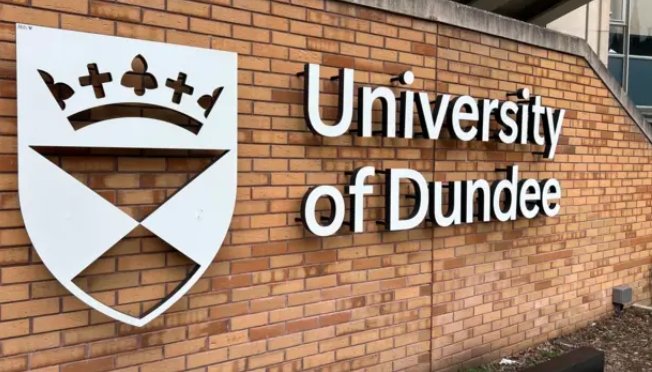
Recent events show the risks. The near-collapse of the University of Dundee last year highlighted funding gaps, yet the government provided emergency aid without fixing root causes.
Here are key funding challenges outlined in the report:
- Reluctance to charge tuition fees for Scottish students leads to expanded recruitment of international students.
- Four-year degrees in Scotland cost more than three-year programs in England, straining budgets.
- Elite universities penalize themselves by admitting too many Scottish students due to funding rules.
Impact on Students and Economy
Scottish students face barriers to entry, especially at top universities. The system makes it harder for locals to secure spots as institutions chase international revenue.
This crisis affects social mobility. Students from poorer backgrounds rely on higher education for better opportunities, but funding cuts threaten access. Declining enrollments and course reductions limit options.
The economy suffers too. Scotland has a skills shortage that tertiary education should address. The report urges collaboration with employers to match skills with growth areas.
A table below shows estimated funding impacts based on recent analyses:
| Sector | Estimated Deficit (2026) | Key Issue |
|---|---|---|
| Colleges | £120-150 million | Operational cliff-edge |
| Universities | £2.2 billion net reduction | Policy-driven cuts |
| Overall Tertiary | 19% real-terms drop since 2013 | Unsustainable models |
These figures underline the urgency for action.
Government Response and Criticisms
The Scottish government launched a review of university funding in December 2025, set to report in autumn 2026. Critics say it avoids broader issues like college funding and national development.
Morris described the review as kicking problems into the long grass. McNulty stressed the need for open debate on what the system contributes to Scotland.
Public sentiment echoes these concerns. Social media discussions highlight fears of job losses and course cuts, with calls for more government support.
Paths Forward and Recommendations
The report proposes bold ideas. These include considering three-year degrees, an international student levy, and graduate contributions.
It calls for a formal commission to rethink colleges and universities together. This would focus on regional partnerships to boost skills and economic growth.
Experts warn that incremental reforms fall short. A full overhaul is needed to resize institutions for survival.
Broader UK Context
Similar issues plague UK higher education. England faces a £2.2 billion funding reduction in 2025-26 due to policy changes. Scotland’s problems compound with its free tuition policy.
Strike ballots at four Scottish universities over job losses show rising tensions. The sector needs stability to build for the future.
This crisis ties into national trends like falling youth employment and stagnant grants. Addressing it could set a model for the UK.
What do you think about these funding challenges? Share your views in the comments and spread the word to raise awareness.
 HDFC Bank Fines CEO Jagdishan Weeks Before Reappointment Call
  Zepto’s IPO Valuation Target Sinks to $3 Billion From $7 Billion
  Man Jailed Under a Rare Lifelong Order for Edinburgh Rape
  Tata Power’s ₹6,675 Crore Bet on Solar Self-Reliance in Odisha
  South Korea and Japan Chip Stocks Crash as China Surges
  Scotland’s Social Work Registration Overhaul Carries a Staffing Cost