
 Zane Lee
 Alloa, a town in Clackmannanshire, Scotland, once thrived as a key player in the Industrial Revolution, earning its spot as the beating heart of the Central Belt. Now labeled as one of the nation’s most boring places, it offers a stark contrast between its rich past and calm present, drawing interest from history buffs and those seeking peaceful retreats.
Rise During the Industrial Revolution
Alloa’s story took off in the late 18th century when industry transformed it from a quiet spot into a bustling center. Located on the north bank of the River Forth, the town used its position for trade and production, pulling in workers and wealth.
By the early 19th century, Alloa had become a powerhouse in several fields. Its growth tied directly to Scotland’s broader industrial boom, where innovations in machinery and transport fueled expansion. Local leaders invested in ports and factories, making the town a vital link between Glasgow and Europe.
Historians note that Alloa’s golden age lasted until the early 20th century. During this time, it handled thousands of ships yearly, exporting goods that put it on the map. This period shaped not just the economy but also the community’s identity.
The town’s success came from smart use of natural resources and skilled labor. Coal from nearby mines powered factories, while the river provided easy shipping routes. These factors combined to create jobs and attract families looking for opportunity.
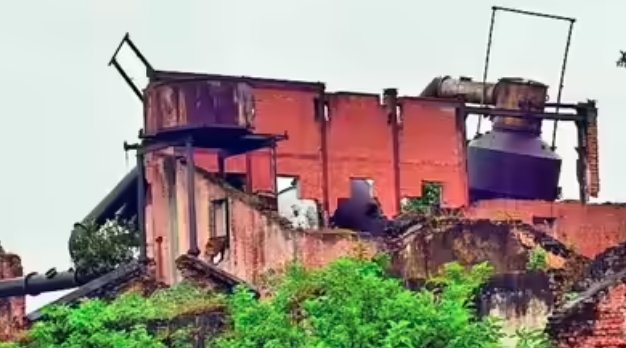
Key Industries That Defined Alloa’s Heyday
Brewing stood out as a major driver of Alloa’s prosperity. At its peak, the town hosted eight breweries, ranking second only to Edinburgh in Scotland’s brewing scene. This industry produced ales and spirits that reached markets far beyond local borders.
Glassmaking also played a huge role, with factories churning out bottles and containers for export. Workers crafted high-quality glass using local sand and coal, meeting demand from growing trade networks.
Coal mining supported everything else, providing fuel for industries and homes. Mines dotted the landscape, employing thousands and boosting the local economy through steady output.
Textile production added another layer, with mills weaving wool and other fabrics. Shipbuilding rounded out the mix, as yards along the Forth built vessels for trade and transport.
- Brewing: Eight major operations by the 19th century, exporting to Europe and beyond.
- Glassmaking: Factories produced millions of items yearly, key for bottling and storage.
- Coal Mining: Supplied fuel for local industries and powered Scotland’s industrial growth.
- Textiles and Shipbuilding: Created jobs and supported global trade links.
Decline After the Industrial Peak
As the 20th century progressed, Alloa faced challenges that dimmed its industrial shine. Silting in the River Forth made the port less viable, and competition from larger cities like Glasgow drew away business.
By the 1970s, many factories closed, including the port that once handled two thousand ships a year. This shift left behind empty buildings and a shrinking workforce, changing the town’s dynamic.
Modern perceptions often label Alloa as boring or depressing, based on surveys and online discussions. Yet, locals point out its quiet charm, away from the hustle of bigger urban areas.
Economic changes forced adaptation, with retail and leisure taking over from heavy industry. The closure of breweries and mines hit hard, but it opened doors for new ventures.
Revival Efforts and Current Appeal
In recent years, Alloa has worked to highlight its history while building a fresh identity. As of 2025, initiatives focus on tourism, promoting the town’s past through archives and walking tours.
Clackmannanshire Council supports projects that preserve sites like Alloa Tower, linked to influential families such as the Erskines of Mar. These efforts aim to attract visitors interested in Scotland’s industrial heritage.
Outdoor activities now draw families, with paths along the Ochil Hills offering stunning views. The town serves as a base for exploring nearby Stirling and Dunfermline, blending history with nature.
Community events celebrate the past, including festivals that recall the brewing legacy. This mix helps counter negative labels and showcases Alloa’s potential as a peaceful retreat.
| Timeline of Alloa’s History | Key Events |
|---|---|
| Late 18th Century | Industrial Revolution begins, brewing and glassmaking boom. |
| 19th Century | Peak with eight breweries; major coal exports. |
| Early 20th Century | Golden age ends; port activity declines. |
| 1970 | Port closes due to silting and competition. |
| 2025 | Focus on tourism and heritage revival. |
Looking Ahead for Alloa
Experts believe Alloa’s story reflects broader shifts in post-industrial towns across Scotland. With investments in green energy and education, the town could see renewed growth.
Visitors today find a blend of history and tranquility, making it ideal for those escaping city life. Recent articles highlight its family-friendly spots and scenic trails, positioning it as an underrated gem.
As Alloa navigates its future, its past remains a source of pride. Share your thoughts on Alloa’s transformation in the comments below, and pass this article along to friends interested in Scottish history.
 Windows 11 KB5095093 Lands With Point-in-Time Restore and 35-Day Pause
  Meta Cuts Smart Glasses to $299 to Outflank Snap and Apple
  Messi Leads the 2026 World Cup Golden Boot Race After Two Matches
  Australia March On as Athapaththu Ton Lights Up T20 World Cup
  Galaxy Z Fold 8 Leak Reveals Colors, Storage, and a New Ultra Variant
  Ronaldo’s Six-World-Cup Record Leads a Matchday Full of Milestones