

A powerful storm named Éowyn struck Scotland in early 2025, causing widespread damage to key systems like power, water, transport, and telecom networks. Experts now warn that such events reveal deep links between these systems, leading to bigger problems that could worsen with climate change.
What Happened During Storm Éowyn
Storm Éowyn brought winds up to 114 miles per hour, hitting Scotland and nearby areas in January 2025. It left nearly one million homes without power across the UK and Ireland, with major outages in Scotland.
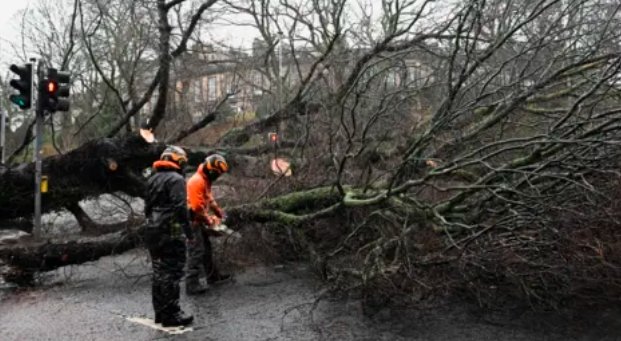
The storm caused trees to fall, roads to close, and floods in some spots. In Scotland, officials activated emergency plans, and the government urged people to stay home. First Minister John Swinney led response efforts, focusing on safety and quick fixes.
Power lines snapped, and telecom towers failed, cutting off phone and internet service for days. This mess showed how one failure can trigger others, like no power leading to water pumps stopping.
Transport took a big hit too. Trains stopped, flights got canceled, and roads filled with debris. Schools closed, and some areas lost water supply because pumps need electricity.
Key Findings from Recent Study
A new study looked at Storm Éowyn to understand these chain reactions on Scotland’s critical infrastructure. Researchers from various groups held workshops and surveys with experts to map out the problems.
They found that electricity and telecom systems are the weak links. When power goes out, everything else suffers, from hospitals to traffic lights.
The study points out dependencies:
- Energy sector: Power plants and grids failed first, affecting over 600,000 homes in nearby regions.
- Water supply: Pumps stopped without power, leaving thousands without clean water.
- Transport: Roads and rails blocked, delaying aid and supplies.
- Telecom: Mobile networks crashed, making it hard to call for help.
This work stresses the need for better plans to handle multiple failures at once.
Experts say climate change will bring more storms like this. Scotland has seen similar events before, but Éowyn was one of the worst in recent years.
Wider Impacts on Daily Life and Economy
The storm disrupted daily life for many Scots. People faced cold homes without heat, and businesses shut down due to no power or internet.
Hospitals switched to backup generators, but some faced delays in care. Emergency services worked overtime to clear paths and help those in need.
On the economic side, the damage cost millions. Repairs to power lines and roads added up fast, and lost work days hurt local shops.
A table below shows estimated impacts in key areas:
| Sector | Main Issues | Estimated Cost (in millions) |
|---|---|---|
| Energy | Outages and grid damage | 50 |
| Transport | Road and rail closures | 30 |
| Telecom | Network failures | 20 |
| Water | Supply disruptions | 15 |
These numbers come from early reports and show how costs pile up across sectors.
Communities pulled together, with neighbors sharing food and warmth. Yet, the event highlighted gaps in readiness, especially in rural areas.
Lessons for Future Preparedness
The study on Storm Éowyn calls for smarter investments in tough infrastructure. This means building grids that can handle high winds and adding backup systems for key services.
Scotland’s government is now reviewing plans to make systems more linked and strong. They aim to add more renewable energy sources that might hold up better in storms.
Other countries face similar risks. For example, recent storms in the US and Europe have shown the same cascading effects, pushing for global changes.
To prepare better, experts suggest:
- Regular drills for multi-sector failures.
- Upgrading old power lines and telecom gear.
- Community education on emergency kits and plans.
These steps could reduce damage from future events.
Climate Change Connection and Global View
Storm Éowyn fits a pattern of stronger weather due to climate change. Warmer oceans fuel bigger storms, and Scotland’s location makes it vulnerable.
In 2025, the world saw other disasters, like floods in Asia and wildfires in Europe, costing billions. Scotland’s case adds to the evidence that infrastructure must adapt.
NHS Scotland’s recent report on climate adaptation talks about protecting health services from such events. It shows how green spaces and better building can help.
As we move forward, linking climate action with infrastructure upgrades is key. This could prevent worse outcomes in the years ahead.
What do you think about these findings? Share your thoughts in the comments and pass this article to friends who care about climate and safety.