

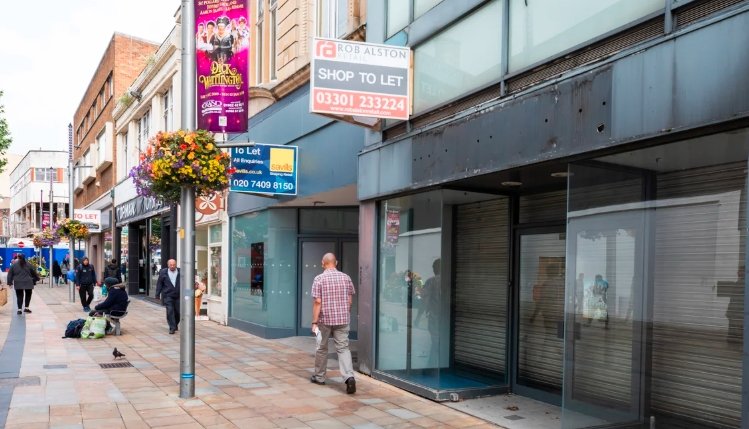
Scotland’s high streets are plunging into a death spiral, with hundreds of small retailers shutting down amid soaring vacancies and shifting shopping habits. As of late 2025, the number of retail businesses has hit a 15-year low, sparking urgent calls for government action to save local economies.
The Alarming State of Scottish Retail
Recent data shows a sharp drop in active retailers across Scotland. More than 900 businesses have vanished over the past decade, leaving town centers dotted with empty storefronts.
The national vacancy rate for shops now stands at 11.4 percent, a figure that masks even worse conditions in some areas, where up to 35 percent of units sit unused. This trend has accelerated in 2025, with reports of drab footfall and disappointing sales during key shopping periods like Christmas.
Experts point to a mix of economic pressures that have built up over years. Town centers once buzzing with activity now resemble ghost towns in places like Glasgow and Edinburgh outskirts.
Key Factors Driving the Decline
Online shopping and out-of-town retail parks have pulled customers away from traditional high streets. Shoppers favor the convenience of next-day deliveries and lower prices online, while retail parks offer free parking and big-box stores.
Business rates add another heavy burden. Many small owners say these taxes make it impossible to compete, especially after recent hikes and lack of relief. In 2025, footfall dropped by 2.2 percent compared to the previous year, worsening the situation.
High energy costs and supply chain issues from global events have hit hard too. Retailers report slim margins, with some chains announcing mass closures to restructure.
- Online sales surged by 15 percent in Scotland during 2025 holiday season.
- Retail parks saw a 10 percent rise in visitors, drawing crowds from city centers.
- Business rates relief demands have grown louder from trade groups.
Major Closures and Job Losses in 2025
This year alone, several big names confirmed store shutdowns across the UK, with Scotland feeling the brunt. A high street fashion chain plans to close 33 locations in early 2026, including five in Scotland, as part of a major overhaul.
Other retailers like Poundland, Morrisons, WH Smith, Homebase, and New Look have shuttered outlets, contributing to an estimated 24,600 job losses over the decade. In Scotland, retail employs 235,000 people directly, making it the largest private sector employer.
These closures ripple through communities, affecting supply chains and local services. Unions warn of broader economic fallout if trends continue unchecked.
| Retailer | Number of Closures in Scotland (2025) | Estimated Jobs Affected |
|---|---|---|
| Fashion Chain | 5 | 150 |
| Poundland | 8 | 200 |
| Morrisons | 3 | 100 |
| WH Smith | 4 | 120 |
| Homebase | 2 | 80 |
| New Look | 6 | 180 |
Political Pressure and Calls for Reform
The SNP government faces mounting criticism for inaction. Business leaders and opposition parties demand a permanent discount on business rates to ease the strain.
Scottish Labour has made high street revival a core issue for upcoming elections, proposing reforms to rates and better funding for local councils. Spokespeople argue that without change, more communities will suffer.
Recent pledges include potential relief measures, but skeptics say it’s too little too late. Trade unions echo these calls, pushing for support to protect jobs and stimulate growth.
In response, some areas show slight improvements. Store closure rates eased in 2024, hinting at possible stability, but 2025 data suggests the reprieve was short-lived.
Impact on Communities and Economy
Beyond numbers, the decline erodes community spirit. Empty shops lead to less foot traffic, hurting nearby cafes and services that rely on shoppers.
Economically, Scotland loses vital revenue from rates and VAT. With retail supporting thousands in supply chains, the fallout could slow overall growth.
Personal stories highlight the human cost. One Edinburgh shop owner shared how rising costs forced closure after 20 years, leaving staff jobless during a tough economy.
Looking Ahead: Paths to Recovery
Hope flickers with ideas like repurposing empty units into community spaces or mixed-use developments. Some towns experiment with pop-up shops and events to boost visits.
Experts suggest digital integration, where high streets blend online and in-person experiences. Government incentives for small businesses could also help.
As 2026 approaches, stakeholders watch closely. With elections looming, policy shifts might offer relief, but action must come soon to halt the spiral.
What do you think about the state of Scotland’s high streets? Share your thoughts in the comments and spread the word to raise awareness about this pressing issue.