
 Axel Piper
 Communities across Scotland grapple with a massive push toward renewable energy as the nation shifts from fossil fuels to wind and solar power over the past two decades. This green energy boom promises net zero goals and climate action, but many locals feel sidelined by corporate planning applications that ignore their voices and deliver uneven benefits.
The Rapid Rise of Renewables in Scotland
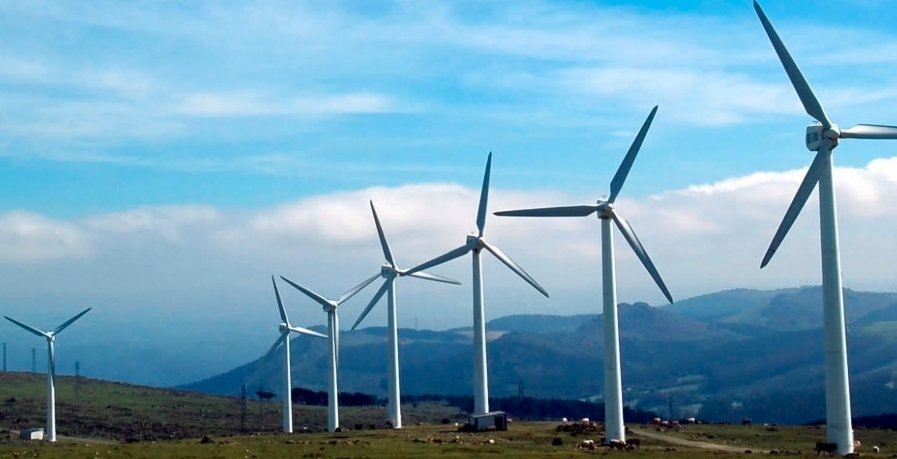
Scotland leads the UK in renewable energy with over 17.7 gigawatts of operational capacity as of early 2025, mostly from onshore and offshore wind farms. In the first quarter of this year alone, renewables generated 10,938 gigawatt hours of electricity, enough to power homes and businesses while cutting carbon emissions to 20.7 grams of CO2 equivalent per kilowatt hour.
This surge ties into global efforts, like the ongoing COP30 talks in Brazil, where leaders push for tripled renewable capacity by 2030. Scotland aims to hit net zero by 2045, with wind projects dominating the landscape. Recent approvals include work starting on 20 new turbines at a major wind farm, boosting output but also sparking debates on land use.
Government funding supports this growth, with over 5.5 million pounds going to nearly 50 community projects like solar farms on islands and small wind setups. Yet, the pace feels overwhelming, especially in rural areas where applications flood in from big energy firms.
Voices from the Ground: Survey Reveals Key Worries
A recent survey by local journalism networks gathered insights from nearly 100 people in 67 spots across Scotland, from bustling cities to remote islands. Respondents shared stories of family divides and daily stress, highlighting how the green shift affects real lives.
The findings point to deep frustrations, not outright opposition to renewables. People support clean energy for climate reasons but want fairer involvement. One villager noted feeling like decisions happen without local input, turning what should be a shared win into a burden.
Frustrations with Planning and Community Input
Planning processes top the list of gripes, with communities drowning in multiple applications at once and lacking clear guidance on how choices get made. In hotspots like the Highlands, groups report errors in proposals for some of Scotland’s tallest wind farms, leading to anger over visual and noise impacts.
Fishing communities in the north worry about offshore wind blocking access, calling for a pause on new permits to protect livelihoods. Rural folks describe a sense of alienation, with opaque systems that favor developers over locals. This has even drawn political heat, as a rising anti-net zero voice questions the whole push.
Experts stress the need for better engagement, like mandatory community benefits in low-carbon projects. Without it, trust erodes, and progress stalls just when Scotland needs to speed up for global climate goals.
Job Promises: Renewables Lag Behind Oil and Gas
The green boom should create jobs, but reality falls short. Over the past decade, Scotland lost three oil and gas positions for every one new role in clean energy. Wind farms generate just one job per million pounds in turnover, far below fossil fuel sectors.
A UK-wide plan eyes 400,000 extra clean energy jobs by 2030, with roles for plumbers, electricians, and welders. In Scotland, low-carbon employment could jump from 19,000 in 2019 to 77,000 by 2050, outpacing oil and gas if investments flow right. Pilots in Aberdeen retrain 200 oil workers for sustainable gigs, but unions warn renewables must catch up faster to avoid economic hits in the North East.
Here’s a quick look at the gap:
| Sector | Jobs Lost/Created (Past Decade) | Projected Growth by 2050 |
|---|---|---|
| Oil and Gas | 3 jobs lost per 1 gained elsewhere | Decline continues |
| Renewables (Wind Focus) | 1 job per £1M turnover | Up to 77,000 total low-carbon roles |
This table shows why communities demand more local hiring and supply chain support to make the transition just.
Ownership and Benefits: Where Does the Money Go?
Foreign firms own much of the sector, with only 0.2 percent of onshore renewables under community control, compared to 52 percent in Denmark. Profits often flow overseas, leaving locals with outdated community benefit payments stuck at 5,000 pounds per megawatt since 2010.
Many pay high energy bills despite living near turbines, fueling calls for public or community ownership. Polls show two-thirds of Scots want the government to prioritize retraining, supply chains, and voices in planning for a fair shift. Recent white papers seek views on shared schemes, but action lags.
- Key survey concerns include:
- Environmental effects on wildlife and landscapes.
- Emotional strain from constant proposals.
- Unfair distribution of funds and power.
- Need for transparent money flows.
- Calls for smaller, local-led projects.
Tying into COP30, Scotland pushes for green industrialization, but locals urge rebooting action to include them.
Looking Ahead: Balancing Boom with Fairness
As COP30 highlights adaptation and fossil fuel phase-outs, Scotland’s story offers lessons in making renewables work for all. With 70.7 gigawatts in the pipeline, including battery storage, the potential is huge if communities lead.
Experts call for updated benefits, stronger local ownership, and skills programs to bridge job gaps. Recent marches in Glasgow echoed global calls for urgent, inclusive action. By addressing these issues, Scotland can turn its green energy boom into a true win for people and planet.
Share your thoughts on Scotland’s renewable push in the comments below, and spread the word to spark wider discussion.
 Hyderabad Gold Dip Freezes Buying as Duty Talk Hits Wedding Season
  India Pushes Japan CEPA Review After 15 Years of One-Way Gains
  HDFC Bank’s US Class Action Turns Deposit Scheme Into Securities Reckoning
  Gold Holds Above $4600 as Treasury Buybacks Fuel Debasement Bid
  Scotland’s Prevention Push Leaves Community Groups Squeezed
  Amazon Locks Three Million Nvidia GPUs Even as Trainium Grows